In 2026, pay per click advertising is evolving at a rapid pace, becoming more competitive, data-driven, and crucial for digital success. This guide is designed to help marketers, business owners, and digital strategists master the latest pay per click strategies for maximum ROI in a changing landscape.
Discover the essentials: new trends, platform innovations, strategic planning, automation breakthroughs, creative excellence, measurement best practices, and expert tips to future-proof your campaigns. Stay ahead as we break down proven tactics that boost visibility and conversions. Ready to elevate your results? Dive in and apply these essential strategies today.
The Evolution of PPC: What’s New in 2026
Pay per click advertising has entered a new era in 2026. The digital landscape is evolving rapidly, and marketers must adapt to stay ahead. Since 2020, the pace of change in pay per click has accelerated, driven by technology, data, and shifting consumer expectations.
Key Developments in PPC Advertising
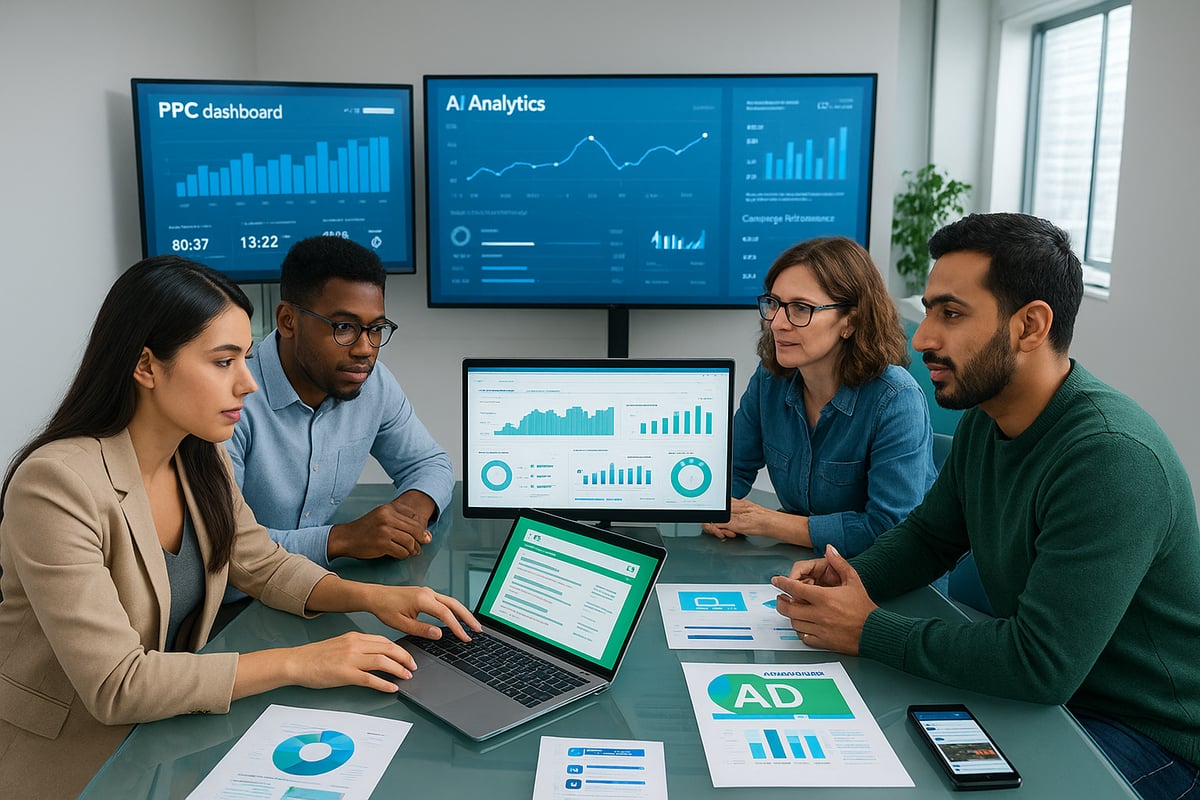
One of the most significant transformations in pay per click since 2020 is the rise of automation and artificial intelligence. AI now powers many aspects of campaign management, from real-time bidding to dynamic ad creative. Marketers are leveraging machine learning to predict audience intent and optimise performance faster than ever.
Privacy-first advertising has become a central focus. The shift towards a cookieless world means traditional tracking methods have changed. Advertisers must rely more on first-party data and contextual signals. Consent management tools are now standard in every pay per click campaign, ensuring compliance with global data regulations.
The range of ad formats has also expanded. Interactive video, shopping ads, and voice search placements are now essential components of a modern pay per click strategy. Marketers are moving beyond traditional search ads to reach customers wherever they engage online.
Expansion and Platform Diversification
The pay per click ecosystem is no longer dominated by just Google and Facebook. While these giants still lead, TikTok and Amazon have doubled their PPC market share since 2022. This growth reflects changing consumer behaviour and the need for brands to diversify their advertising channels.
Here’s a quick comparison of major pay per click platforms in 2026:
| Platform | Key Formats | 2026 Market Share Trend |
|---|---|---|
| Google Ads | Search, Display, Shopping, YouTube | Remains dominant |
| Meta Ads | Facebook, Instagram, Messenger | Stable, highly competitive |
| TikTok Ads | Short-form video, Influencer, Interactive | Doubled since 2022 |
| Amazon Ads | Sponsored Products, Brands, Display | Doubled since 2022 |
| Others | Pinterest, Reddit, Snapchat | Growing in niche markets |
Pay per click is expanding beyond search, with increased investment in paid social, video, shopping, and even voice search. The shift from keyword-only targeting to audience and intent-based strategies is now mainstream. Marketers use behavioural data, demographics, and purchase signals to connect with the right users at the right time.
Automation, AI, and Regulation
Generative AI and automation are redefining how pay per click campaigns are built and optimised. AI tools can generate ad copy, automate testing, and adjust bids in real time. Predictive analytics now guide budget allocation and creative selection, helping marketers maximise ROI.
For a deeper dive into how automation is transforming pay per click in 2026, see AI-Powered Campaign Creation and Automation.
Regulatory changes also impact every pay per click strategy. New privacy laws require greater transparency and stricter data handling. Marketers must stay informed about compliance to avoid penalties and maintain user trust.
In summary, pay per click in 2026 is more data-driven, diversified, and automated than ever. Success now depends on embracing new technologies, respecting privacy, and adapting to an ever-changing digital environment.
PPC Fundamentals: Platforms, Ad Types, and Targeting
Understanding the fundamentals of pay per click is essential for building effective campaigns in today’s digital landscape. In 2026, the PPC ecosystem is more diverse and complex, offering marketers a wide range of platforms, ad formats, and targeting capabilities. Let’s break down the key elements that drive successful pay per click campaigns.
Major PPC Platforms in 2026
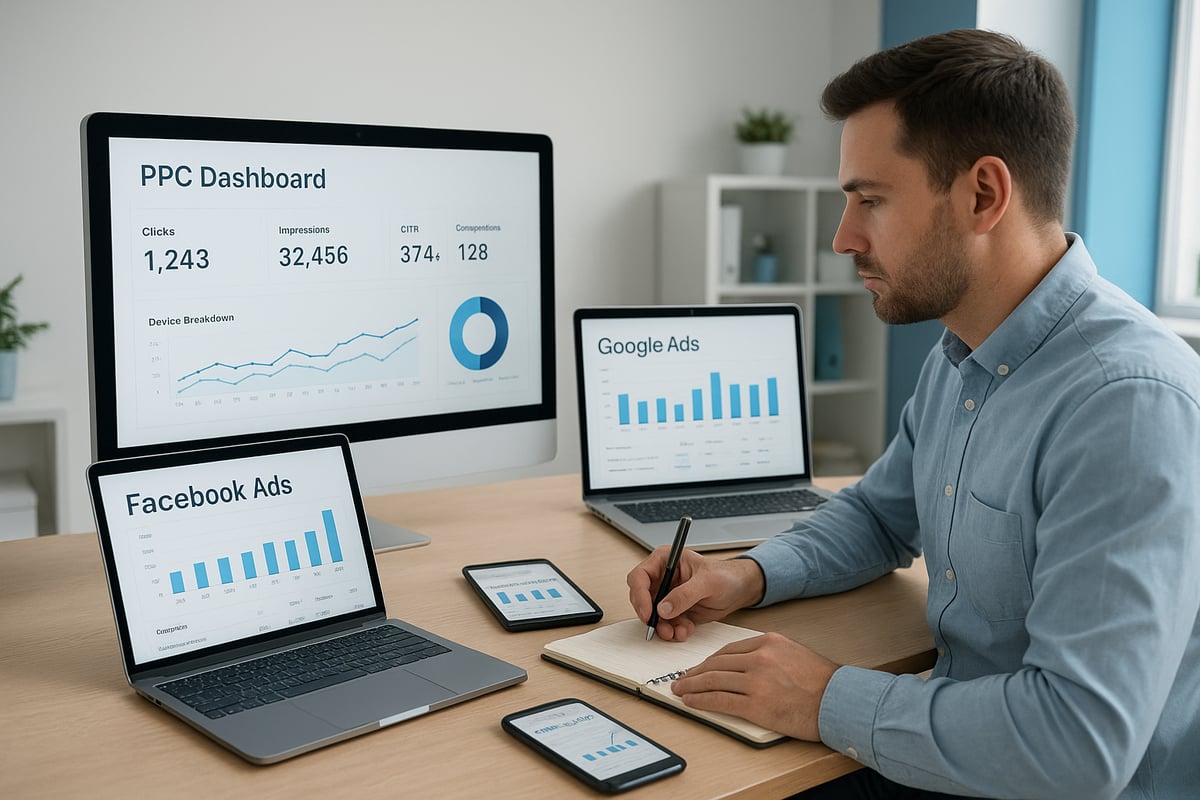
The pay per click landscape in 2026 is shaped by both established giants and innovative newcomers. Google Ads continues to lead, offering search, display, shopping, and YouTube integration. Its dominance is evident, with over 99,000 searches processed every second, making it a core platform for visibility.
Meta Ads, encompassing Facebook, Instagram, Messenger, and WhatsApp, remains a powerhouse for audience reach and targeting. If you are looking for an in-depth breakdown, the ultimate guide to Facebook ads provides expert insights into leveraging this platform for pay per click success.
TikTok Ads have surged, with ad spend doubling since 2022. Short-form video, influencer partnerships, and interactive formats capture younger audiences. Amazon Advertising is also crucial, especially for e-commerce brands, with sponsored products, brands, and display options driving conversions.
Microsoft Advertising expands reach through Bing, LinkedIn, and third-party networks, while emerging platforms like Pinterest, Reddit, and Snapchat offer niche opportunities. The rise of these channels means that businesses can diversify pay per click strategies, tapping into varied audiences and formats.
PPC Ad Types Explained
Pay per click campaigns span a broad spectrum of ad types, each designed to suit different objectives and platforms.
- Search ads: Text-based and intent-driven, these ads appear on search engine results pages and are known for high conversion potential.
- Display ads: Banner, responsive, and rich media formats appear across websites and apps, boosting brand awareness and retargeting.
- Video ads: Platforms like YouTube, TikTok, and Facebook/Instagram Reels deliver video content to engaged audiences.
- Shopping ads: Visual product listings on Google and Amazon help drive direct sales, especially for retail and e-commerce.
- Social ads: Formats include carousel, lead forms, stories, and influencer content, enabling brands to interact creatively with users.
- Voice and audio ads: With the integration of smart speakers and podcasts, these formats allow brands to reach users in new contexts.
For example, YouTube’s ad suite features skippable, non-skippable, bumper, and overlay ads, offering flexibility for different campaign goals. Selecting the right mix of ad types is crucial for maximising the impact of pay per click efforts.
Advanced Targeting Options
Effective targeting is at the heart of every successful pay per click campaign. In 2026, advanced options empower marketers to reach the right users with precision.
- Audience-based targeting: Use demographic, interest, behavioural, and lookalike audiences to tailor messages.
- Contextual and intent-based targeting: Keywords, topics, and placements ensure ads are shown in relevant environments.
- Geo-targeting and local PPC: Reach users by location, perfect for businesses with physical stores or region-specific offers.
- Device, time-of-day, and sequential retargeting: Optimise delivery based on user device, browsing time, or previous interactions.
- Privacy-compliant strategies: With privacy laws tightening, first-party data, consent management, and contextual signals are essential for compliant and effective targeting.
Mastering these targeting methods allows pay per click advertisers to balance personalisation with privacy, ensuring campaigns drive results while respecting user preferences.
Crafting a Winning PPC Strategy for 2026
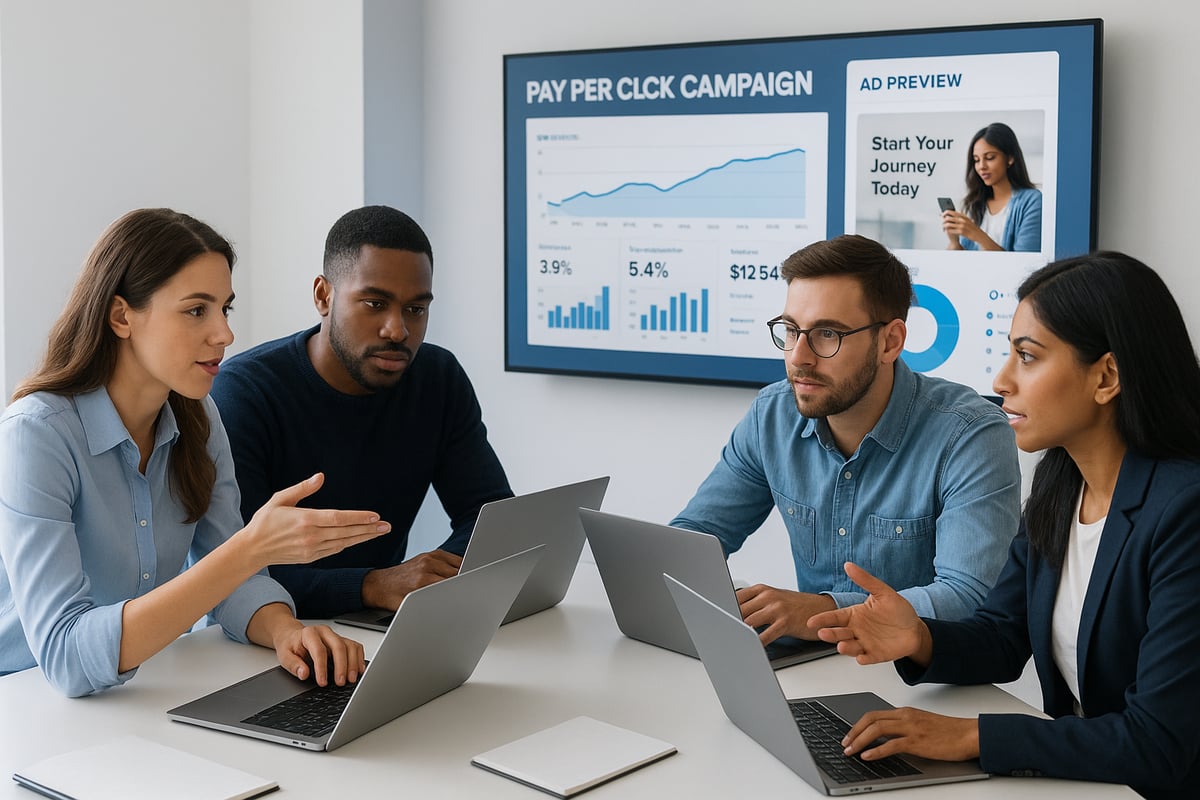
Success with pay per click in 2026 demands more than basic tactics. Marketers need a robust, adaptable strategy that reflects new technology, privacy rules, and shifting user behaviour. Below, we break down the seven essential steps for building a high-impact pay per click campaign that delivers measurable results.
Step 1: Define Clear Goals and KPIs
Begin your pay per click journey by setting clear objectives. Do you want to drive sales, boost brand awareness, generate leads, or encourage app installs? Each goal shapes your approach and success metrics.
Establish key performance indicators (KPIs) aligned with these objectives. Common KPIs include click-through rate (CTR), cost per click (CPC), conversion rate, return on ad spend (ROAS), and customer lifetime value. Make sure every target is specific, measurable, and relevant to your business.
Connect your pay per click goals directly with broader marketing and organisational strategies. This ensures campaigns contribute meaningfully to overall growth.
Step 2: Audience Research and Segmentation
Understanding your audience is vital for pay per click success in 2026. Use advanced audience insight tools to segment users by demographics, interests, and behaviours.
Leverage your CRM and first-party data to create custom audience lists. Segmenting by customer lifecycle stage or purchase intent allows for more tailored messaging and improved conversion rates.
Break audiences into manageable groups. This enables personalisation and ensures every pay per click ad resonates with the right people at the right moment.
Step 3: Comprehensive Keyword and Competitor Research
In 2026, keyword research for pay per click campaigns is powered by AI-driven tools. Use these to analyse trends, forecast demand, and uncover high-intent or long-tail keywords.
Identify negative keywords to prevent wasted spend. Benchmark competitor strategies by analysing their top-performing ads, landing pages, and messaging. This intelligence helps you spot opportunities and gaps.
For a deeper dive into evolving strategies, see how marketers are shifting from keywords to audience-first targeting, a trend that prioritises behaviour and intent over simple keyword matches.
Step 4: Budget Planning and Bid Strategy
Effective pay per click campaigns require strategic budget allocation. Set a realistic budget based on your goals, industry benchmarks, and the platforms you plan to use.
Choose the right bidding strategy for each campaign. Options include manual bidding, automated bidding, target CPA, target ROAS, or portfolio bidding. Automated bidding uses machine learning to adjust bids in real time for optimal results.
Regularly review spending and performance. Adjust budgets and bids as needed to maximise your pay per click return on investment.
Step 5: Ad Creative and Messaging
Ad creative is where your pay per click campaigns stand out. Develop compelling headlines and descriptions tailored to each audience segment. Use dynamic ad formats and responsive designs to reach users on any device.
Incorporate video, interactive elements, and personalisation to boost engagement. Test different value propositions and calls to action to see what resonates best.
Consistent creative refreshes prevent ad fatigue, ensuring your pay per click ads remain effective over time.
Step 6: Landing Page Optimisation
A seamless user journey is crucial for pay per click conversions. Ensure landing pages are mobile-friendly, fast-loading, and highly relevant to the ad messaging.
Align landing page content with ad copy to increase your Quality Score and lower costs. Use A/B testing to compare different layouts, headlines, and calls to action.
Continuous optimisation of your landing pages keeps your pay per click campaigns competitive in a crowded market.
Step 7: Compliance and Privacy Considerations
Privacy is a top concern for pay per click marketers in 2026. Stay up to date with regulations such as GDPR and CCPA. Implement consent management solutions and privacy-safe tracking methods.
Rely more on first-party data and contextual signals as third-party cookies decline. Ensure your pay per click campaigns respect user preferences and data rights.
Adhering to compliance standards builds trust and protects your brand reputation, while still allowing you to achieve your marketing goals.
Automation, AI, and Smart Bidding: Maximising Efficiency
Automation and artificial intelligence are transforming pay per click management in 2026. Modern advertisers are harnessing these powerful tools to streamline processes, reduce manual effort, and unlock new levels of campaign performance. As the landscape becomes more complex, efficiency is now the cornerstone of successful pay per click strategies.
The Role of Automation in Modern PPC
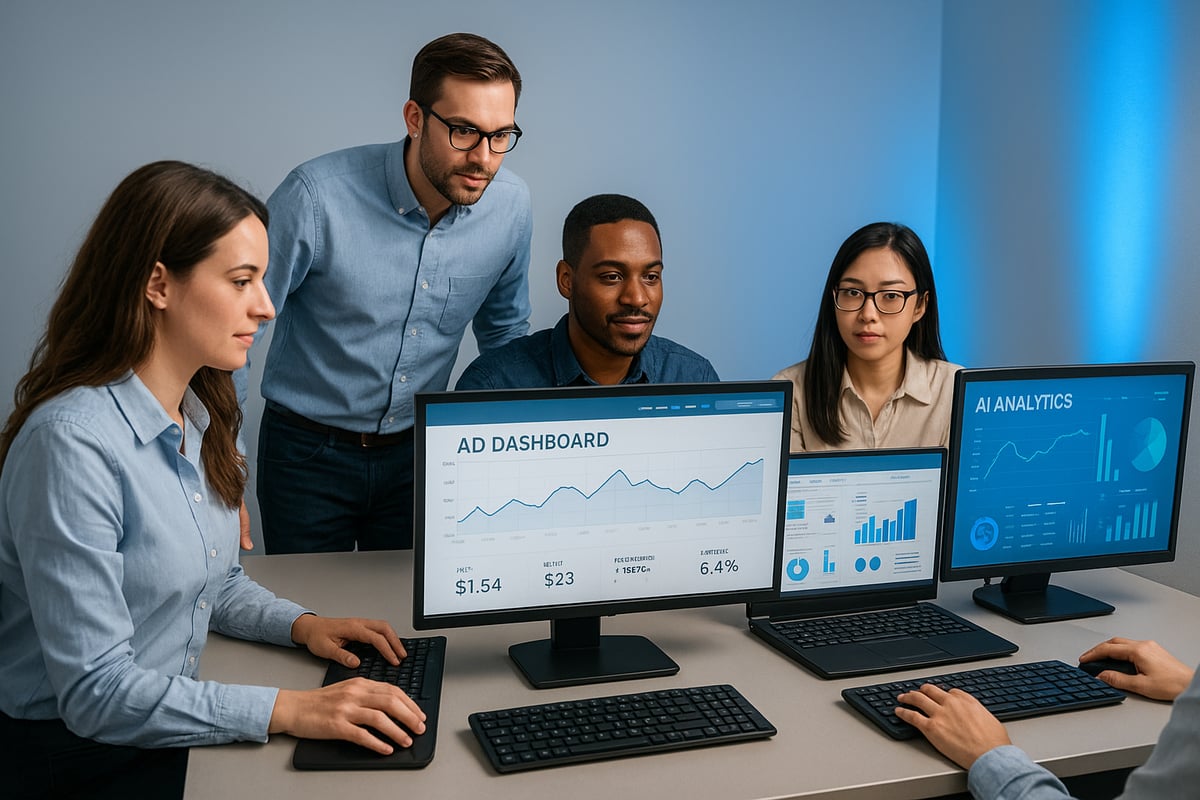
In 2026, pay per click automation is more advanced than ever. Automated campaign setup, management, and reporting are now standard, freeing marketers to focus on strategic planning. Smart bidding strategies, such as Target CPA, Target ROAS, and Maximise Conversions, use machine learning to adjust bids in real time, ensuring optimal results for every pound spent.
AI-powered tools generate ad copy and test creative variations at scale. Predictive analytics help allocate budgets across platforms and forecast campaign outcomes. For example, Google’s Performance Max campaigns leverage AI to optimise across all available channels, delivering targeted pay per click ads wherever your audience is most active.
The evolution of automation means that businesses can react quickly to market changes and capitalise on emerging trends. For a deeper dive into how AI and automation are shaping the future of PPC, consider watching this PPC Trends 2026: AI Automation and the Future of Digital Advertising video analysis.
AI-Driven Audience Targeting and Personalisation
Artificial intelligence is revolutionising audience targeting in pay per click campaigns. Machine learning algorithms analyse massive datasets to uncover new audience segments and predict user intent with remarkable accuracy. This enables marketers to reach high-value prospects based on behaviour, interests, and purchase signals.
Dynamic creative optimisation tailors ad content in real time, displaying the most relevant message to each user. Automated segmentation further refines audiences, ensuring hyper-personalised ad delivery that increases engagement and conversion rates.
By using AI-driven targeting, pay per click advertisers can move beyond traditional demographics, tapping into nuanced signals that drive better results. The outcome is a smarter, more efficient way to connect brands with their ideal customers.
Workflow Automation and Integration
Seamless workflow automation is now essential for effective pay per click management. Integrating PPC platforms with CRM systems, analytics tools, and marketing software ensures data flows freely and decisions are based on real insights.
Automated rules can pause underperforming ads, adjust bids, or scale budgets as needed. Real-time alerts notify teams of issues like overspending or dropping conversion rates, allowing for immediate action. This level of automation reduces manual workload and minimises costly mistakes.
A typical workflow integration might look like this:
| Tool | Function | Benefit |
|---|---|---|
| CRM Integration | Audience sync, lead flow | Personalised targeting |
| Analytics Suite | Performance tracking | Quick optimisation decisions |
| Automated Alerts | Performance monitoring | Fast response to campaign shifts |
With these systems in place, businesses can optimise their pay per click campaigns efficiently and at scale.
Limitations and Human Oversight
Despite the power of automation, human oversight remains vital in pay per click advertising. Automated systems, while efficient, can sometimes miss subtle context or strategic opportunities that a skilled marketer would spot.
Manual review ensures that ad creative aligns with brand values and campaign goals. It also helps avoid over-reliance on “black box” automation, where decision-making processes are not transparent. Strategic thinking, creative input, and ethical considerations all require human judgement.
Ultimately, the most successful pay per click campaigns in 2026 will blend intelligent automation with expert human guidance. This balanced approach delivers both efficiency and innovation, ensuring campaigns remain agile and effective in a fast-evolving digital world.
Creative Excellence: Writing and Designing High-Performing PPC Ads
Creating high-performing pay per click ads in 2026 demands a blend of creative skill and data-driven precision. Advertisers must deliver clear, engaging messages while adapting to evolving consumer expectations and platform innovations.
Principles of Effective PPC Ad Copy
Effective pay per click ad copy hinges on clarity, relevance, and a compelling call to action. Every word should serve a purpose, guiding the user towards your intended outcome. Tailor your messaging to match the audience’s intent and use emotional triggers to create a connection.
Focus on:
- Clarity: Make the offer and next steps obvious.
- Relevance: Align copy with search intent and user needs.
- Strong CTAs: Motivate users with action-oriented language.
- Emotional triggers: Use urgency, exclusivity, or value-driven phrases.
- Value propositions: Highlight what sets your solution apart.
For further insights, explore these online marketing best practices to complement your ad copy strategy.
Visual Design for Display and Social Ads
Visual design plays a vital role in capturing attention and reinforcing your pay per click message. Use high-quality images or videos that align with your brand and resonate with your target audience. Consistency across creatives and landing pages builds trust.
Best practices include:
- Using bold, relevant imagery or video.
- Keeping branding elements consistent.
- Leveraging carousel and story ads for interactive engagement.
- Prioritising mobile-first design and fast load times.
Carousel and story formats, especially on social platforms, often yield higher engagement through their interactive nature.
Dynamic and Responsive Ad Formats
Dynamic and responsive ad formats are essential for pay per click campaigns in 2026. Responsive search and display ads adapt to different devices and placements, increasing reach and relevance. Dynamic keyword insertion personalises ads based on search queries, boosting engagement.
Benefits include:
- Broader reach across devices and placements.
- Higher click-through rates, with responsive formats increasing CTR by up to 15 percent compared to static ads.
- Personalisation at scale, improving user experience.
Integrating these formats ensures your campaigns remain competitive and adaptable in a rapidly evolving landscape.
A/B Testing and Creative Iteration
Continuous testing and iteration are fundamental for sustained pay per click success. Structured A/B testing allows you to compare headlines, CTAs, visuals, and ad formats to determine what resonates best with your audience.
Key steps:
- Develop variations for headlines, CTAs, and visuals.
- Analyse performance data to identify winning creatives.
- Refresh ads regularly to prevent fatigue and maintain engagement.
Systematic testing and optimisation enable data-driven decisions, ensuring your campaigns evolve alongside audience preferences and industry trends.
Measurement, Optimisation, and Scaling Success
Understanding how to measure, optimise, and scale your pay per click campaigns is essential for long-term digital marketing success. As the landscape evolves, effective performance tracking, data-driven analysis, and strategic scaling will separate high-performing campaigns from the rest. Let’s break down each element for a winning approach.
Tracking and Attribution in a Privacy-First World
As privacy regulations reshape digital advertising, pay per click tracking methods have transformed. Marketers now rely on first-party tracking, server-side analytics, and privacy-friendly attribution models. With the decline of third-party cookies, solutions like Google Analytics 4 and enhanced conversions provide rich insights while respecting user privacy.
Multi-touch attribution models help you understand complex customer journeys across devices and channels. These models assign value to each interaction, revealing which touchpoints drive conversions. Staying compliant is not optional—familiarise yourself with the impact of evolving privacy laws by reading Privacy Rules and Data Regulation Are Tightening, which explores transparency in pay per click data collection and targeting.
Key Metrics and Performance Analysis
Effective pay per click management hinges on monitoring the right metrics. Focus on cost per click (CPC), click-through rate (CTR), conversion rate, cost per acquisition (CPA), and return on ad spend (ROAS). These indicators reveal campaign health and ROI.
| Metric | What It Measures | Why It Matters |
|---|---|---|
| CPC | Average cost per click | Budget efficiency |
| CTR | Clicks as a % of impressions | Ad relevance |
| Conversion Rate | % of visitors who convert | Landing page effectiveness |
| CPA | Cost to acquire a customer | Profitability |
| ROAS | Revenue generated per £ spent | Overall campaign ROI |
Benchmark your results against industry standards and historical data. For example, in 2022, the average CPC was £1.16, with a typical pay per click ROI of 2:1. Regularly analyse these figures to identify trends and areas for improvement.
Ongoing Campaign Optimisation
Continuous optimisation is vital for maximising pay per click performance. Review keyword, audience, and placement data frequently. Adjust bids and budgets in response to performance insights, leveraging automation for routine tweaks and manual intervention for strategic shifts.
A/B testing is crucial—test new ad creatives, headlines, and landing page variations to uncover what resonates best. Use automated rules to pause underperforming ads or scale successful ones. Prioritise quick wins, such as reallocating budget to high-converting keywords, while planning longer-term improvements.
Scaling Strategies for Growth
When your pay per click campaigns show strong results, it is time to scale. Expand to new platforms, experiment with additional ad formats, and target fresh geographies or audience segments. Remarketing and lookalike audiences can help you reach users similar to your best customers, driving incremental growth.
Incrementally increase budgets for top-performing campaigns, monitoring results to avoid diminishing returns. For those focused on expanding lead generation, explore proven lead generation techniques that complement your pay per click efforts. With a strategic scaling plan, your campaigns can consistently deliver higher volumes and better ROI.
As you look to put these PPC strategies for 2026 into practice, remember that a tailored approach is key to standing out in a competitive landscape. At Ruff Idea, we combine expertise in web design, SEO, and paid advertising to help you craft campaigns that not only look impressive but also deliver real results. Whether you’re ready to launch your first PPC campaign or want to refine your current strategy, we’re here to guide you every step of the way. Let’s work together to ensure your digital presence thrives—Get in touch to start your bespoke PPC journey today.