The landscape of lead generation is changing faster than ever, making it vital for every business aiming to grow in 2026. As technology advances, AI, automation, and data-driven decision making are transforming how brands attract and convert prospects. Businesses that master lead generation will outpace competitors and secure a steady pipeline of opportunities.
This expert guide is designed to help you future-proof your approach, boost conversions, and stay ahead of the curve. Inside, you will find the latest strategies, technology trends, and actionable insights. Explore fundamentals, emerging trends, step-by-step tactics, seamless technology integration, performance measurement, and methods to ensure long-term success.
Understanding Lead Generation in 2026: Foundations and Shifts
Lead generation is at the heart of every successful sales and marketing strategy, serving as the process of identifying and attracting potential customers who are most likely to convert. In 2026, lead generation has become more sophisticated, requiring businesses to adapt to new technologies and changing consumer expectations.

What is Lead Generation?
At its core, lead generation involves capturing interest from potential buyers and funnelling them into the sales process. This function bridges the gap between awareness and action, ensuring that the right prospects are nurtured at every stage.
For modern businesses, lead generation is not just about volume, but about finding high-quality leads that match your ideal customer profile. This focus on quality over quantity ensures resources are allocated efficiently and conversion rates remain strong.
Evolution of Lead Generation (2020–2026)
Since 2020, lead generation has undergone a dramatic transformation. AI and automation are now central to many campaigns, enabling real-time personalisation and smarter targeting. Machine learning tools analyse user behaviour and predict buying intent, making it possible to deliver tailored content at the perfect moment.
Personalisation has also become standard. Brands now use dynamic content and adaptive messaging, built on robust data analytics, to engage prospects in more meaningful ways. This shift is driven by the growing expectation for relevant, timely communication.
According to Lead Generation Statistics 2026, 61% of marketers identify lead generation as their top challenge, highlighting the need for innovative approaches and continuous improvement.
Inbound vs Outbound Approaches
Lead generation strategies typically fall into two categories: inbound and outbound. Inbound focuses on attracting prospects through valuable content, SEO, and social engagement. For example, a business might publish insightful whitepapers or host webinars to draw in interested audiences.
Outbound, on the other hand, involves proactive outreach, such as cold calling, targeted email campaigns, or paid advertising. While outbound can deliver immediate results, inbound methods tend to foster longer-term relationships and higher trust.
Many successful organisations blend both approaches, using data insights to refine targeting and maximise ROI.
Data Privacy and Compliance
Operating within the UK and EU requires strict adherence to data privacy regulations such as GDPR. Ethical data sourcing is essential, as consumers demand transparency and control over their information. Businesses must implement robust consent mechanisms, secure data storage, and regular compliance checks.
Failing to meet these standards can damage reputation and result in significant penalties, making compliance a top priority for lead generation in 2026.
Integration and Omnichannel Strategies
Sales and marketing teams are now more integrated than ever before, collaborating on shared goals and unified customer journeys. This seamless approach ensures that leads are nurtured consistently from first touch to final sale.
Omnichannel experiences, where prospects interact with brands across multiple platforms, are increasingly vital. Whether through social media, email, live chat, or offline events, a consistent and customer-centric strategy enhances engagement and builds loyalty.
Real-World Success Stories
Leading brands have embraced these shifts with remarkable results. For instance, a global software company combined AI-powered chatbots with personalised email sequences, resulting in a 30% boost in qualified leads. Another retailer leveraged omnichannel campaigns to increase lead conversion rates and improve customer satisfaction.
The landscape of lead generation in 2026 is dynamic and data-driven, rewarding businesses that invest in technology, compliance, and customer experience.
Step-by-Step Lead Generation Strategy for 2026
Navigating the complexities of lead generation in 2026 requires a practical, data-driven approach. To build a robust pipeline and stay ahead of the competition, businesses must adopt a systematic framework that combines technology, creativity, and customer insight.
Below, discover a step-by-step strategy designed to future-proof your lead generation efforts and maximise results.
Step 1: Define Your Ideal Customer Profile and Buyer Personas
Begin with a clear understanding of your ideal customer profile (ICP) and buyer personas. Use data analytics to segment your audience by demographics, firmographics, behaviours, and pain points. This ensures your lead generation campaigns target prospects with the highest conversion potential.
Gather insights from existing customers, sales feedback, and market research. Continuously refine personas as trends shift, making your outreach more relevant and cost-effective.
Step 2: Map the Customer Journey and Identify Key Touchpoints
Visualise the entire customer journey from first contact to conversion. Identify critical touchpoints where prospects interact with your brand, such as website visits, social media engagement, email opens, or event attendance.
Mapping these stages enables you to design personalised experiences and deploy lead generation tactics at the right moment. Use journey analytics tools to spot gaps and optimise each touchpoint for greater impact.
Step 3: Develop Compelling Lead Magnets
Offer valuable resources that address your audience’s needs and challenges. Effective lead magnets include eBooks, whitepapers, webinars, interactive tools, and exclusive research. Tailor each asset to specific buyer personas for higher engagement.
A/B test different formats and topics to see what resonates. For additional practical ideas, review 10 ways to generate more leads, which explores proven tactics for boosting website conversions.
Step 4: Optimise Landing Pages for Conversion
Your landing pages are pivotal to lead generation success. Focus on clear, persuasive copy, strong calls-to-action, and intuitive design. Personalise content based on source, persona, or campaign to increase relevance.
Implement A/B testing to fine-tune headlines, imagery, and form fields. Ensure your pages load quickly and are fully mobile responsive, as even minor delays can reduce conversion rates.
Step 5: Implement Multi-Channel Campaigns
Reach your prospects where they are by running integrated campaigns across email, social media, paid ads, SEO, and events. Use consistent messaging and branding to reinforce your value proposition.
Segment your audience and tailor communications for each channel. Monitor performance metrics to allocate budget efficiently and maximise your lead generation ROI.
Step 6: Integrate Automation for Lead Capture, Nurturing, and Scoring
Leverage automation platforms to streamline repetitive tasks and enhance lead nurturing. Automated workflows can deliver timely follow-ups, score leads based on engagement, and trigger personalised content.
AI-driven tools can further refine lead scoring, ensuring your sales team focuses on the most promising opportunities. Automation also supports scalability as your pipeline grows.
Step 7: Establish a Clear Lead Handoff Process
Collaboration between marketing and sales is essential for seamless lead management. Define clear criteria for qualified leads and establish a transparent handoff protocol.
Use shared dashboards and regular alignment meetings to ensure no leads fall through the cracks. This approach boosts accountability and accelerates revenue generation.
Real-World Example: B2B SaaS Success
A leading B2B SaaS provider implemented targeted content strategies and automated nurture sequences, resulting in a 35 percent increase in qualified leads within six months. This demonstrates the tangible impact of a structured lead generation approach.
Key Budget Insight
According to HubSpot (2024), 53 percent of marketers now dedicate half or more of their budget to lead generation, reflecting its strategic importance for growth.
Adapting for B2B, B2C, and Local Businesses
Tailor your lead generation strategy to your business model. B2B firms should prioritise account-based marketing and deeper personalisation, while B2C brands benefit from high-volume campaigns and influencer partnerships. Local businesses can leverage community events, local SEO, and partnerships to capture nearby prospects.
A flexible, step-by-step process ensures your lead generation engine remains effective in a rapidly changing landscape.
Leveraging Technology: AI, Automation, and Advanced Tools
The technological landscape for lead generation is transforming rapidly, placing advanced tools at the heart of every successful strategy. In 2026, businesses are turning to AI, automation, and sophisticated analytics to capture, nurture, and convert leads more efficiently than ever before.
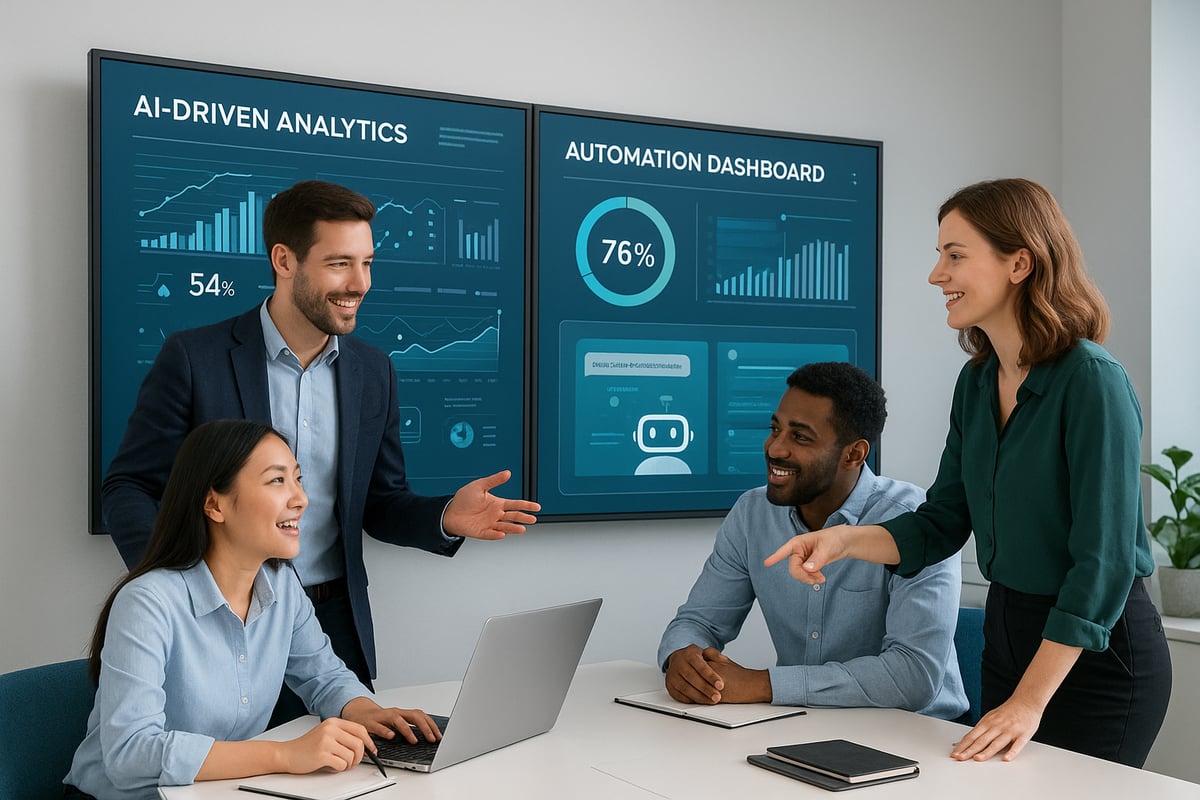
AI-driven chatbots are revolutionising how organisations approach lead generation. These smart assistants engage visitors in real time, answer questions instantly, and qualify leads based on user behaviour and preferences. According to Salesforce, 80% of businesses using marketing automation report a significant increase in lead volume. Chatbots can guide prospects through the buyer journey, ensuring no opportunity slips through the cracks.
Predictive analytics is another breakthrough, allowing companies to identify high-potential prospects and tailor outreach accordingly. By analysing historical data, AI models forecast which leads are most likely to convert, making every engagement more meaningful. Automation platforms streamline follow-ups, scheduling, and personalisation, freeing up valuable time for sales teams to focus on closing deals.
Here is a comparison of leading platforms shaping lead generation in 2026:
| Platform | Key Features | Best For | AI Capabilities |
|---|---|---|---|
| Salesforce | CRM, automation, analytics | Enterprise, B2B | Predictive scoring, chatbots |
| HubSpot | Inbound marketing, email automation | SMEs, content-driven | Workflow automation, lead nurturing |
| Marketo | Multi-channel campaigns, analytics | Large marketing teams | AI segmentation, personalisation |
Conversational marketing is rising in prominence, leveraging real-time chat and messaging to build relationships and move leads through the funnel swiftly. This approach is particularly effective for capturing interest and providing instant value to potential clients. For deeper insights, discover how AI’s Impact on Lead Generation in 2026 is shaping the future of customer engagement and conversion.
Seamless integration of CRM systems is essential for tracking every interaction, ensuring that marketing and sales teams have a unified view of lead activity. Automated nurturing campaigns deliver targeted content based on individual behaviours, increasing the likelihood of conversion. Security and compliance remain priorities, especially in regulated markets. Modern platforms are designed to protect sensitive data, supporting GDPR and other privacy standards.
Consider the example of a leading retailer that implemented AI-powered personalisation within their lead generation process. By analysing real-time data and delivering bespoke offers, they achieved a 25% boost in lead conversion rates within six months.
Looking ahead, the fusion of AI, automation, and advanced tools will continue to redefine what is possible in lead generation. Businesses that embrace these innovations are well placed to build scalable, efficient, and compliant pipelines, ensuring sustainable growth in a dynamic digital era.
Measuring, Analysing, and Optimising Lead Generation Performance
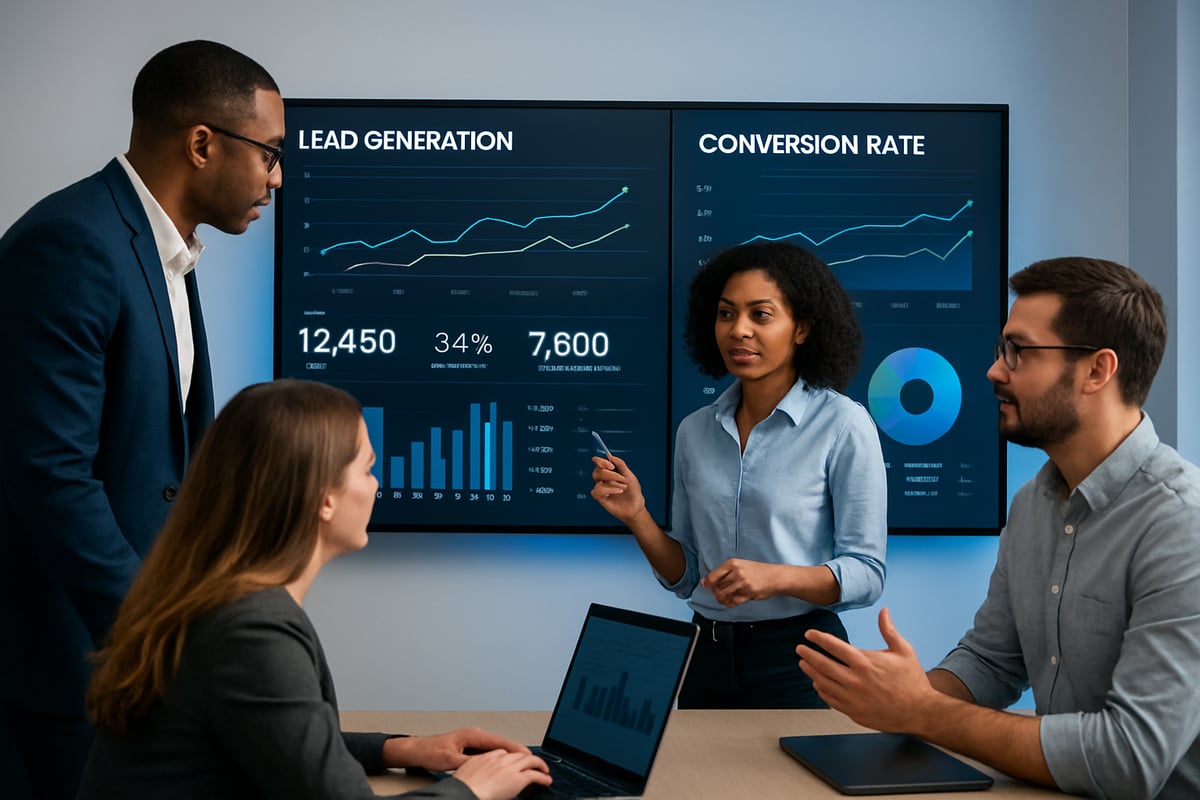
In 2026, effective measurement is the backbone of every successful lead generation strategy. With increased competition and evolving buyer behaviour, understanding which efforts drive results is crucial. Businesses that track performance closely can quickly adapt, allocate resources wisely, and maximise their pipeline growth.
Understanding Key Lead Generation Metrics
To optimise lead generation, you need to track the right metrics. The most important include:
| Metric | What It Measures | Why It Matters |
|---|---|---|
| Cost Per Lead (CPL) | Expense to acquire one lead | Manage marketing spend |
| Conversion Rate | % of leads that become customers | Gauge effectiveness |
| MQL/SAL/SQO | Lead quality at each sales stage | Align sales and marketing |
| ROI | Return on investment from campaigns | Prove value and prioritise |
These metrics provide a comprehensive view of your lead generation performance. By regularly monitoring them, you can identify strengths, spot bottlenecks, and make informed decisions.
Real-Time Insights: Dashboards and Reporting
Setting up clear, real-time dashboards is essential for lead generation success. Modern tools such as HubSpot, Salesforce, and bespoke analytics platforms allow you to visualise key metrics instantly. This transparency enables teams to spot trends and react quickly to changes in campaign performance.
For those seeking to stay on the cutting edge, integrating automation platforms and advanced analytics is a must. Explore the Best AI tools for 2026 to streamline reporting, automate routine tasks, and surface actionable insights. This technological advantage helps you maintain agility in a fast-moving market.
Attribution Modelling and Industry Benchmarks
Attribution modelling unravels the complex journey each lead takes before converting. Multi-touch attribution assigns value to every interaction, from the first ad click to the final sales call. This approach ensures your lead generation investments are accurately credited and optimised for future campaigns.
Industry benchmarks are evolving rapidly. In 2026, top-performing teams achieve conversion rates of 10% or higher, with CPLs varying by sector. According to HubSpot, 68% of leading marketers now use analytics to refine their lead generation strategies. For more on the role of AI and automation in analytics, see AI in Lead Generation Strategies. Staying informed of these benchmarks helps you set realistic goals and outperform your competitors.
Continuous Improvement: Testing, Reviews, and Best Practices
Continuous improvement is the key to sustained lead generation growth. Regular A/B testing of landing pages, emails, and CTAs uncovers what resonates best with your audience. Review performance data monthly to pinpoint what works and where to improve.
Best practices include:
- Running multivariate tests on content and channels
- Reviewing lead quality and sales feedback regularly
- Adjusting campaigns quickly based on real-time data
Companies that consistently review and refine their approach have seen up to a 40% increase in qualified leads within a year. By fostering a data-driven culture, your business can ensure lead generation efforts are always aligned with market shifts and customer needs.
Future-Proofing Your Lead Generation: Trends and Expert Predictions
Staying ahead in lead generation means anticipating change before your competitors do. The landscape is shifting quickly, and businesses that adapt to new trends now will secure stronger pipelines and higher conversion rates in 2026. To future-proof your lead generation, you must be proactive, informed, and ready to embrace innovation at every stage.
Emerging Trends Shaping Lead Generation
The year 2026 will see zero-party data rising in importance. Customers willingly share preferences in exchange for value, enabling more personalised lead generation. Voice search is also transforming how prospects find solutions, making conversational content and natural language optimisation essential.
AI-driven content is another game changer. Advanced algorithms now tailor messaging to individuals in real time, increasing relevance and engagement. Privacy-first marketing is critical too, as regulations tighten and consumers demand transparency in data usage.
Video and interactive content are becoming dominant, capturing attention and encouraging participation. Brands using interactive lead generation tools see up to double the engagement rates, according to Salesforce, 2024. Social selling is also gaining momentum, especially as new digital platforms emerge. For practical social selling tactics and multi-channel insights, see these social media management strategies.
Expert Perspectives and Predictions
Industry leaders agree that the future of lead generation will be defined by agility, data ethics, and seamless technology integration. According to recent research, brands that leverage AI for audience insights and personalisation are outpacing their competitors.
However, experts also warn of potential infrastructure challenges as AI adoption scales. For an in-depth look at how digital bottlenecks may impact your ability to scale, explore this AI-Driven Bottlenecks Forecast Model.
A focus on customer-centricity and omnichannel experiences will set top performers apart. Adapting quickly to new platforms, such as emerging social networks or voice-enabled devices, will be vital for ongoing success.
Practical Tips for Future-Proofing Your Lead Generation
- Regularly audit your data collection and privacy practices to ensure compliance.
- Invest in AI and automation but monitor infrastructure for scalability.
- Experiment with voice search and interactive content formats.
- Upskill your teams to stay current with new technology and platforms.
- Foster collaboration between marketing and sales for faster adaptation.
By embracing these strategies, your lead generation efforts will remain resilient, responsive, and ready for whatever the future brings.
As you look to master lead generation in 2026, it’s clear that having a tailored, high-performing website and a strategy built on data, technology, and genuine customer understanding is key. At Ruff Idea, we combine expert web design with SEO, social integration, and ongoing support, making sure your business stands out and attracts the right leads. If you’re ready to future proof your online presence and put these expert insights into action, we’re here to help you shape a strategy that delivers real results.
Get in touch to start your journey towards stronger, smarter lead generation.