Online marketing is evolving at an unprecedented pace, presenting both challenges and exciting opportunities for businesses in 2026. Digital platforms, artificial intelligence, and changing consumer behaviours are reshaping how brands connect with their audiences.
This guide offers actionable insights, innovative strategies, and future-proof tactics designed to help you stay ahead. Use it as your roadmap to mastering the digital space, ensuring your business not only keeps up but leads the way.
Explore emerging trends, strategy development, essential channels, technology integration, measurement, and future predictions—all in one comprehensive resource.
The Digital Marketing Landscape in 2026
The world of online marketing is undergoing rapid transformation as we look to 2026. Businesses are navigating a landscape where technology evolves at a breakneck pace, consumer expectations are higher than ever, and the competition for digital attention is relentless. Understanding these shifts is crucial for any organisation aiming to thrive and lead in the digital era.

Key Trends Shaping Online Marketing
Online marketing in 2026 is defined by unprecedented technological innovation and rapid adoption of new tools. Artificial intelligence is at the forefront, powering everything from content creation to predictive analytics. Generative AI enables brands to produce highly relevant, engaging content at scale, while automation streamlines campaign management and personalisation.
Data analytics and machine learning are taking personalisation to new heights. Marketers now deliver tailored experiences by analysing patterns in real time. Multi-platform search is also a game changer. Optimising for platforms like Instagram, TikTok, YouTube, and even conversational AI tools such as ChatGPT is just as important as traditional search engines.
Voice and visual search are mainstream, requiring brands to rethink their SEO strategies. Privacy-first marketing is essential due to stricter regulations and the decline of third-party cookies. Augmented reality and virtual reality are no longer experimental—they are core to immersive campaigns that engage consumers on a deeper level. For a deeper dive into the impact of these innovations, explore the latest AI-powered marketing tools in 2026.
The dominance of video and audio streaming platforms continues, with brands leveraging these channels for authentic engagement. Google’s 729 algorithm changes in 2022 highlight the relentless pace of change in online marketing.
Consumer Behaviour and Expectations
Consumers in 2026 have become more discerning and tech-savvy. They move seamlessly across devices, with 90% switching between smartphones, tablets, and desktops throughout their journey. The expectation for online marketing is clear: deliver authentic, value-driven content at every touchpoint.
Transparency matters more than ever. Audiences want to engage with brands that communicate honestly and uphold ethical standards. Personalisation is not just appreciated—it is expected. Users demand seamless, individualised experiences, whether shopping online, interacting on social media, or consuming content.
Social commerce is now a primary purchase pathway. Shoppable posts and integrated checkout experiences on platforms like Instagram and TikTok are commonplace. This shift means online marketing strategies must prioritise frictionless, engaging journeys that drive both trust and conversions.
Opportunities and Challenges
Online marketing in 2026 offers vast opportunities for businesses ready to innovate. Brands can reach global audiences, automate routine processes, and leverage advanced targeting for highly effective campaigns. Data-driven insights empower marketers to make smarter decisions and maximise return on investment.
However, the landscape is not without its challenges. Algorithm volatility can disrupt established tactics overnight. Ad fatigue is a persistent risk as consumers become more selective about what they engage with. Rising competition means standing out demands creativity and agility.
The increasing complexity of technology also requires ongoing investment in skills, tools, and strategy. Navigating these hurdles is essential for any organisation seeking long-term success in online marketing.
Building a Future-Proof Online Marketing Strategy
To succeed in the fast-changing digital arena, businesses need a robust online marketing strategy that stands the test of time. The right approach combines clear objectives, deep audience insight, and agile use of technology. Let us explore how to build a strategy that delivers measurable results in 2026.
Setting Objectives and KPIs
The foundation of every successful online marketing plan is a clear set of objectives. Start by aligning your marketing goals with your business priorities, such as increasing brand awareness, generating qualified leads, driving sales, or improving customer retention.
Once objectives are defined, select key performance indicators (KPIs) that reflect your goals. In 2026, marketers should go beyond surface-level metrics and adopt advanced measurement techniques. For example:
| Objective | Example KPI |
|---|---|
| Brand Awareness | Share of voice, reach, impressions |
| Lead Generation | Cost per lead, conversion rate |
| Sales | Revenue growth, average order value |
| Retention | Customer lifetime value, churn rate |
Modern online marketing relies on tracking multi-touch attribution, engagement metrics, and lifetime value to gain a holistic view of performance.
Audience Research and Segmentation
Understanding your audience is more critical than ever. With evolving consumer expectations and behaviours, using advanced analytics and AI-powered tools is essential for accurate audience research. Analyse customer data to uncover new persona segments, identify preferences, and track intent signals.
Segment your audience based on behaviour patterns, purchase history, and interaction across devices. This enables marketers to create highly targeted campaigns that resonate with specific groups. Personalisation is not just a trend but a necessity in online marketing for 2026. Tailoring content and offers to micro-segments can significantly boost engagement and conversion rates.
Channel Selection and Integration
Choosing the right channels is key to an effective online marketing strategy. Evaluate the role of SEO, paid search, social media, email, influencer collaborations, and emerging platforms like TikTok and ChatGPT. Each channel offers unique strengths, but the real value lies in integration.
Adopt a unified, full-funnel approach that connects every touchpoint. For example, drive awareness through social media, nurture leads via email automation, and convert prospects with targeted paid ads. Integrated campaigns provide a seamless user experience and maximise marketing ROI. Cross-channel insights can inform ongoing optimisation efforts, ensuring your online marketing adapts to shifting trends.
Content Strategy for 2026
Content remains at the heart of online marketing. In 2026, the focus is on video, interactive formats, and user-generated content to capture audience attention. Combine AI-generated assets with human-curated pieces for a balance of scale and quality.
Personalise content delivery using dynamic elements that adapt to user behaviours and preferences. Encourage engagement through interactive polls, quizzes, and live streams. Consistent, value-driven content builds trust and authority, positioning your brand as a leader in its space. Review SEO trends for 2024 and beyond to align your content strategy with the latest developments.
Budgeting and Resource Allocation
Effective online marketing in 2026 requires smart allocation of budgets across paid, earned, and owned media. Prioritise investments in technology, creative talent, and automation tools that drive measurable results.
Allocate resources based on channel performance data and campaign objectives. For example, increase spend on high-converting social ads or invest in AI-powered platforms for hyper-personalised campaigns. Brands leveraging the best AI tools for marketers 2026 are seeing significant uplift in engagement and efficiency. Regularly review and adjust your budget to respond to changing market dynamics.
Core Channels and Tactics for Online Marketing Success
The path to online marketing success in 2026 is paved with innovation, agility, and smart channel selection. To remain competitive, businesses must master both foundational and emerging tactics. Let us explore the essential channels that drive results, elevate brand presence, and deliver measurable growth in a rapidly evolving digital world.
Search Engine Optimisation (SEO) in 2026
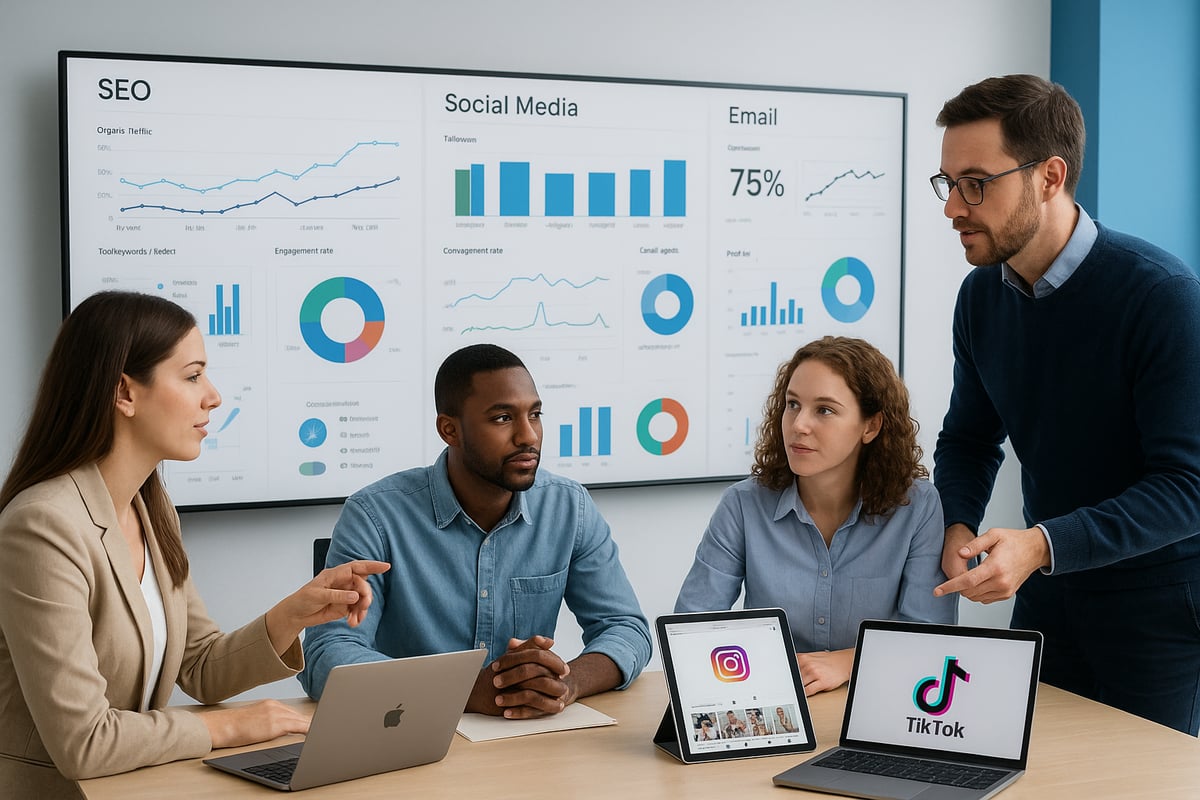
SEO remains the cornerstone of effective online marketing strategies. In 2026, optimising for conversational and generative AI search tools is essential. Businesses must ensure their content is discoverable across platforms such as Google, YouTube, and even AI chatbots.
Key technical factors include:
- Site speed and mobile-first design
- Structured data for improved indexing
- Voice and visual search optimisation
- Enhancing local presence with up-to-date Google Business Profiles
The shift to multi-platform search means brands can no longer focus solely on Google. Instead, they must adapt content and metadata for discovery on platforms like TikTok and Instagram. Prioritising user intent and answering questions directly helps brands maintain visibility. A robust SEO approach ensures online marketing efforts reach the right audience, regardless of where consumers begin their journey.
Paid Media: Search, Social, and Programmatic
Paid media is evolving quickly, and successful online marketing now requires a nuanced, data-driven approach. Advanced paid search strategies leverage audience targeting, automation, and smart bidding to maximise ROI. Marketers combine this with paid social ads on platforms such as TikTok and Instagram Reels, which offer fresh ways to connect with younger demographics.
Key tactics include:
- Programmatic advertising for precision targeting
- Creative innovation in display and video ads
- Expanding into marketplaces and e-commerce advertising
A full-funnel paid strategy spans Google, Meta, and Amazon, ensuring seamless engagement from awareness to conversion. Integration between channels is crucial for delivering cohesive experiences. Brands that embrace automation and real-time optimisation see higher returns and sustained growth in their online marketing campaigns.
Content Marketing and Digital PR
Content marketing is more dynamic than ever, playing a central role in online marketing. High-quality, evergreen content builds authority and trust. Brands are investing heavily in video, interactive formats, and user-generated content to capture attention.
Digital PR amplifies reach through:
- Thought leadership articles
- Strategic partnerships and collaborations
- Media placements in reputable publications
Influencer marketing remains vital, with brands collaborating with micro and macro influencers to drive authentic engagement. Combining AI-generated and human-curated content enables scalable, personalised storytelling. Effective content marketing ensures brands cut through the noise, positioning themselves as industry leaders in the online marketing landscape.
Social Media Marketing
Social media is at the heart of every successful online marketing strategy. Brands use organic tactics to build vibrant communities and foster real-time engagement. Social commerce is transforming how consumers shop, with shoppable posts and live-stream events driving direct conversions.
Key strategies for 2026 include:
- Analytics-driven content planning
- Personalised interactions and community management
- Leveraging emerging platforms for fresh audiences
For expert insights on elevating your social strategy, explore these Effective social media management tips. Integrating social media with other channels ensures a consistent brand voice and maximises audience touchpoints. As consumer expectations for authenticity and value grow, social media marketing remains a powerful engine for online marketing success.
Email and Automation
Email marketing continues to deliver outstanding results within online marketing. In 2026, the focus is on personalisation and automation, using behaviour-triggered campaigns that align with customer journeys. Integration with CRM systems enables brands to nurture leads, retain customers, and drive repeat business.
Best practices include:
- Segmentation based on user behaviour and preferences
- Dynamic content for tailored experiences
- Automated lifecycle campaigns for efficiency
Automation streamlines routine tasks, freeing up time for creative strategy and innovation. By leveraging advanced analytics, marketers can refine their messaging, boost engagement, and increase ROI. Email remains an indispensable channel in the online marketing mix, providing reliable, measurable results.
Harnessing Technology and Data for Competitive Advantage
The pace of innovation in online marketing is accelerating. Brands that harness technology and data effectively are outpacing their competitors. By integrating advanced tools and analytics, businesses can make smarter decisions, personalise user experiences, and navigate the evolving landscape with confidence.
AI and Automation in Marketing
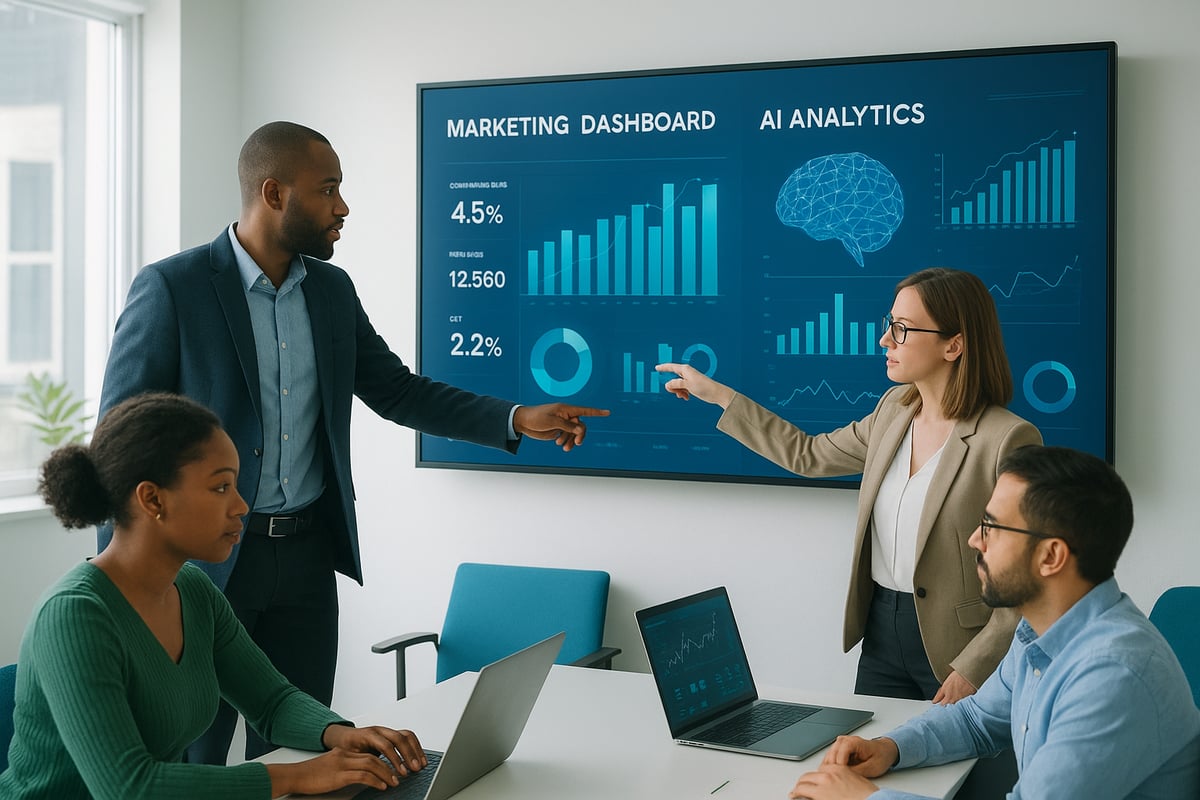
Artificial intelligence is transforming online marketing by streamlining processes and unlocking new creative possibilities. AI-powered content creation tools generate copy, images, and even videos at scale, enabling marketers to deliver personalised experiences efficiently. Chatbots and virtual assistants handle customer queries in real time, improving satisfaction and freeing up human resources for strategic tasks.
Predictive analytics, powered by machine learning, allows marketers to anticipate customer behaviour and optimise campaigns before issues arise. Automation platforms take care of repetitive tasks such as email sequencing, ad bidding, and social media posting, ensuring consistent engagement. According to recent research, generative AI in marketing campaigns is already delivering measurable ROI, with many marketers seeing significant improvements in campaign performance.
By embedding AI and automation into online marketing strategies, businesses can scale their efforts, reduce costs, and stay ahead of the competition.
Data Analytics and Insights
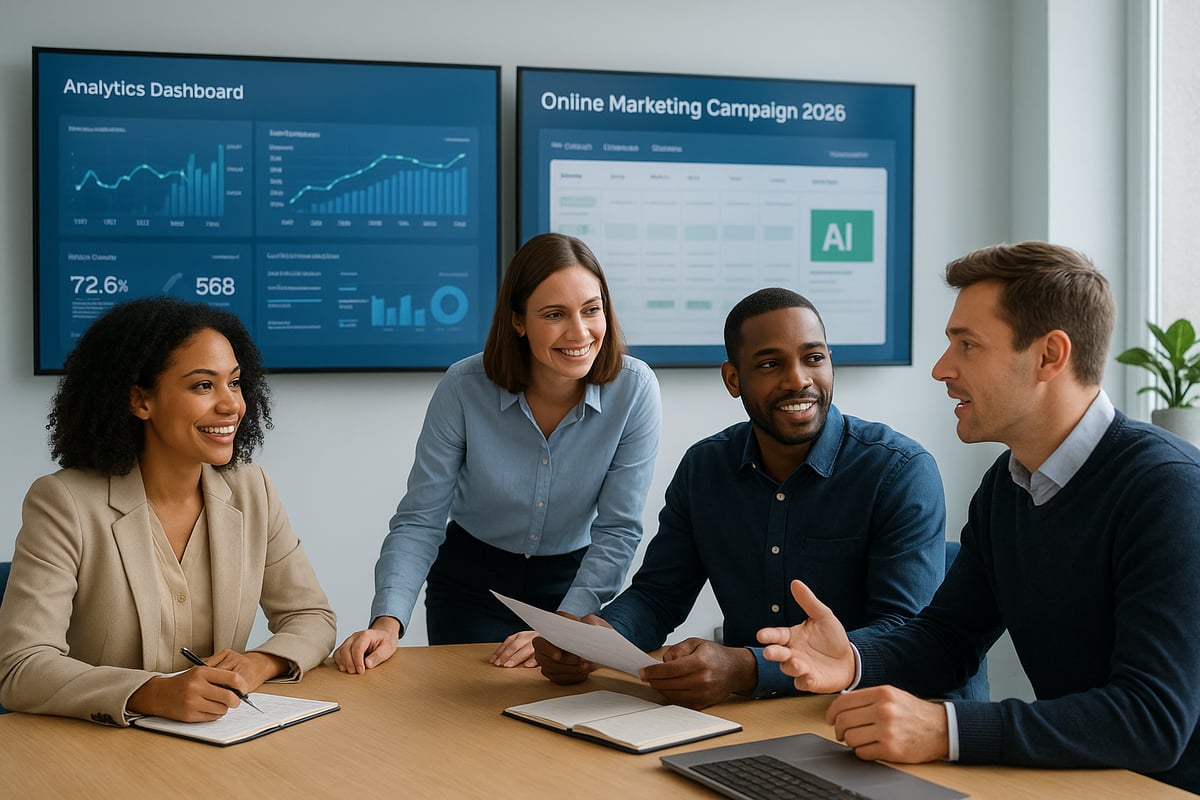
Modern online marketing relies on data-driven decision-making. Advanced analytics platforms provide real-time dashboards that consolidate performance metrics across channels. Marketers can track campaign results, user journeys, and conversion rates with precision, enabling swift optimisation.
Conversion rate optimisation (CRO) is enhanced by A/B testing and multivariate analysis, revealing what truly resonates with audiences. Data-driven insights inform UX improvements, ensuring that every touchpoint is tailored to the user's needs.
Key benefits of robust analytics in online marketing:
- Immediate identification of high-performing content
- Pinpointing drop-off points in conversion funnels
- Measuring multi-channel attribution accurately
Harnessing these insights empowers marketers to refine their strategies and maximise ROI.
Privacy, Security, and Compliance
As online marketing grows more sophisticated, so do privacy regulations and consumer expectations. Adapting to frameworks like GDPR and CCPA is essential for building trust and avoiding costly penalties. Brands must prioritise secure data collection, transparent consent management, and ethical use of customer information.
Implementing best practices for data security protects both businesses and their customers. Marketing teams should regularly audit their data handling processes to ensure compliance and minimise risk. In a privacy-first era, clear communication about data usage can become a competitive advantage.
Balancing innovation with responsibility is crucial for sustainable online marketing success.
Integration of Marketing Technologies
A unified MarTech stack is the backbone of effective online marketing in 2026. Integrating CRM, customer data platforms (CDP), analytics, and automation tools allows teams to create a seamless flow of information. This holistic approach delivers a single customer view, enabling hyper-personalised campaigns and consistent messaging across all channels.
Key considerations when choosing and integrating marketing technologies:
- Compatibility with existing systems
- Scalability for future growth
- Ease of data sharing and automation
Brands that invest in robust integration are better positioned to adapt quickly to market changes, delivering superior customer experiences and measurable results.
Measurement, Optimisation, and Staying Ahead
Effective measurement and ongoing optimisation are the backbone of successful online marketing in 2026. In a landscape that is always evolving, businesses must be agile, data-driven, and proactive to maintain their competitive edge.
Setting Up Measurement Frameworks
To master online marketing, businesses must establish robust measurement frameworks. Start by defining clear metrics for each stage of the funnel, including awareness, consideration, conversion, and retention.
Use tools like Google Analytics 4, Ubersuggest, and custom dashboards to track real-time performance. These platforms provide the insights needed to understand what is working and where to adjust strategies.
A well-structured framework enables teams to set benchmarks, spot trends, and measure progress against objectives. Consistent measurement empowers marketers to make informed decisions that fuel growth in the online marketing space.
Attribution and ROI Analysis
Attribution is vital for understanding which channels contribute most to your online marketing success. Multi-touch attribution models are now essential, providing a more accurate view of how users interact with different touchpoints before converting.
Measuring ROI across paid, earned, and owned media ensures resources are allocated effectively. By using advanced analytics and frameworks like the AI-driven marketing strategy framework, marketers can uncover deep insights and optimise spend.
Regular ROI analysis helps identify high-performing channels and campaigns, enabling businesses to double down on what delivers real value in online marketing.
Continuous Optimisation
Continuous optimisation is the key to outperforming competitors in online marketing. Run ongoing A/B and multivariate tests for landing pages, adverts, and content to uncover what resonates with your audience.
Leverage user feedback and behaviour analytics to guide iterative improvements. Testing should become a habit, not a one-off activity.
Brands that embrace a culture of optimisation consistently refine their approach, adapt to shifts in consumer behaviour, and achieve superior results in online marketing.
Keeping Up with Algorithm and Platform Changes
Staying ahead in online marketing requires vigilance towards updates across platforms like Google, Meta, Amazon, and emerging channels. Algorithmic changes can impact visibility, engagement, and conversion rates overnight.
Marketers must monitor updates, adapt strategies quickly, and diversify their focus to include new opportunities. For instance, understanding how to rank on ChatGPT is becoming increasingly relevant as AI-powered search tools gain traction.
By anticipating shifts and evolving with the platforms, businesses can maintain a strong presence and avoid being left behind in the online marketing ecosystem.
Upskilling and Team Development
Upskilling is crucial as technology and consumer expectations in online marketing continue to advance. Invest in staff training on AI, analytics, and the latest digital marketing trends to keep your team at the forefront.
Leverage free and government-funded online courses to ensure ongoing development without breaking the budget. A well-trained team can quickly adapt to new tools and methods, maintaining your competitive advantage.
Continuous learning supports innovation, fosters adaptability, and ensures your business remains agile in the fast-paced world of online marketing.
The Future of Online Marketing: Predictions for 2027 and Beyond
The next wave of online marketing is already taking shape. As businesses look ahead to 2027 and beyond, the strategies and technologies that define success are evolving rapidly. Staying ahead means anticipating new consumer expectations and being ready to adapt at every turn. This section explores the key trends that will shape the future of online marketing and offers insight into how forward-thinking brands can prepare.
Emerging Technologies and Trends
Emerging technologies will continue to disrupt online marketing. Augmented reality (AR) and virtual reality (VR) are set to become mainstream, offering immersive experiences that transform how brands interact with consumers. For example, augmented reality in digital advertising is gaining traction, creating interactive campaigns that drive deeper engagement.
The metaverse, a collective virtual space, is opening fresh opportunities for brands to create experiences rather than just ads. Artificial intelligence will move beyond content creation, shaping strategic decisions and personalising every user touchpoint. Blockchain technology will enhance transparency and security, especially in digital advertising and data management.
Brands that embrace these innovations will lead the pack in online marketing, delivering unique value and building stronger relationships with their audiences.
The Shift Towards Ethical and Sustainable Marketing
Ethical and sustainable practices will become central to online marketing. Consumers are increasingly drawn to brands that demonstrate purpose, social responsibility, and environmental awareness. Transparent data use, fair treatment of user privacy, and ethical sourcing will be non-negotiable.
Sustainability is not just a buzzword, but a driving force in long-term brand loyalty. Companies will need to integrate ethical considerations into every level of their online marketing strategy. This shift will influence not only what brands say, but how they operate and interact with their communities.
By prioritising these values, businesses can foster trust and stand out in a crowded digital landscape, ensuring their online marketing resonates with socially conscious audiences.
The Rise of Community and Experience-Driven Marketing
Community and experience are taking centre stage in online marketing. Rather than focusing solely on products, brands will invest in building vibrant online communities and delivering memorable digital experiences. Interactive forums, exclusive events, and value-driven content will help foster loyalty and advocacy.
Experience-driven marketing will prioritise genuine engagement over transactional relationships. Consumers expect brands to offer more than just a service; they want to feel part of a larger story. By nurturing active communities and providing meaningful interactions, brands can create advocates who amplify their message organically.
As online marketing evolves, those who tap into the power of community will see lasting benefits in engagement and brand equity.
Preparing for What’s Next
Preparing for the future of online marketing requires agility and openness to change. Scenario planning and adopting agile marketing processes will help businesses stay resilient as new technologies and trends emerge. Regularly upskilling teams, investing in innovation, and staying informed through industry resources are essential steps.
Brands that remain proactive, rather than reactive, will be best positioned to seize new opportunities. By monitoring trends and being ready to pivot, businesses can maintain a competitive edge in the fast-paced world of online marketing.
Ultimately, those who keep learning and adapting will not only survive but thrive as the digital landscape continues to transform.
As you’ve seen, staying ahead in online marketing for 2026 means embracing innovation, adapting to changing consumer expectations, and making the most of emerging technologies. Whether you’re reimagining your website, refining your SEO, or integrating social channels for a seamless user experience, it’s all about building a strong, future-proof presence. If you’re ready to put these strategies into action but want expert guidance tailored to your business, we’re here to help. Let’s work together to create a digital presence that truly stands out—Get in touch and start your journey to online marketing success.