In today’s digital world, the competition for online visibility has never been fiercer. Businesses are constantly battling to stand out and capture their audience’s attention.
Staying ahead in 2026 means mastering both website design and seo. An effective strategy can make the difference between getting noticed or getting lost in the crowd.
This guide is tailored for business owners, marketers, and web professionals. You will discover proven techniques to boost your website’s performance and search rankings.
Ready for practical steps? Explore the latest trends, technical essentials, content strategies, and future-proofing tips to elevate your online presence.
The Foundations of Modern Website Design
Modern website design and seo have evolved rapidly, setting new standards for business success. A future-ready website is more than just visually appealing, it must deliver seamless experiences, top performance, and robust security. Let us explore the pillars that define high-impact websites in 2026.
Embracing User-Centred Design
User-centred approaches are at the core of effective website design and seo. In 2026, the focus is on intuitive UX and visually clear UI, as 88% of users will not return after a poor experience (Forbes, 2023).
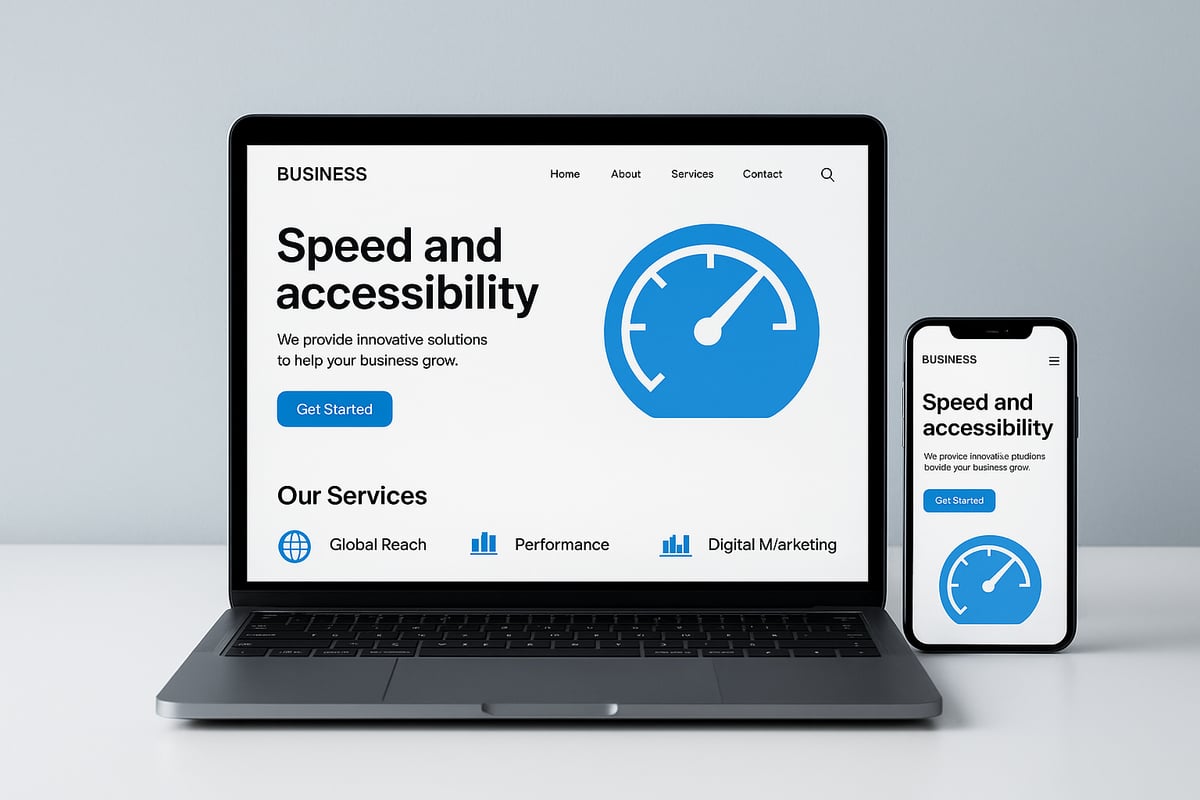
Mobile-first and responsive layouts are now the industry norm, ensuring accessibility for all users, regardless of device. Adhering to WCAG 2.2 guarantees inclusivity, which is vital for both compliance and reputation.
Leading brands invest in fast-loading, easy-to-navigate websites. They prioritise usability and accessibility, making every interaction smooth and frustration-free.
Visual Trends and Branding
The visual landscape of website design and seo is shaped by minimalism, bold typography, and immersive imagery. Consistent branding across every digital touchpoint builds trust and recognition.
Custom illustrations and micro-animations add character, while interactive product displays are revolutionising ecommerce. For practical inspiration, see these modern web design tips for 2024, which highlight current trends and actionable ideas.
Strong visuals set your business apart, making your site memorable and engaging while supporting your brand’s voice.
Performance and Security
Performance and security are non-negotiable in website design and seo. Google’s Core Web Vitals now significantly impact search rankings, making site speed essential. A fast website not only ranks higher but also retains visitors, as 53% of mobile users abandon sites that load in over three seconds (Think with Google, 2023).
Security protocols like HTTPS and SSL are standard, safeguarding user data and ensuring GDPR compliance. Use tools such as Lighthouse or PageSpeed Insights to monitor and optimise your site’s performance.
A secure, swift website is key to building user trust and boosting conversions.
Choosing the Right Platform and Tech Stack
Selecting the right platform is crucial for scalable website design and seo. Popular content management systems like WordPress and Shopify offer flexibility, while headless CMS solutions support advanced integrations.
Many businesses are migrating to JAMstack architectures for superior speed and adaptability. Modular systems enable future-proofing, allowing seamless updates and integrations as your needs evolve.
Choosing technology that grows with your business ensures your website remains competitive and easy to maintain.
SEO Fundamentals: Building for Visibility
Unlocking the full potential of your website design and seo requires a solid understanding of essential optimisation techniques. By mastering on-page, technical, content, and local SEO, you can ensure your website stands out in the crowded digital landscape. Let’s explore the core fundamentals that drive real visibility and measurable results.
On-Page SEO Essentials
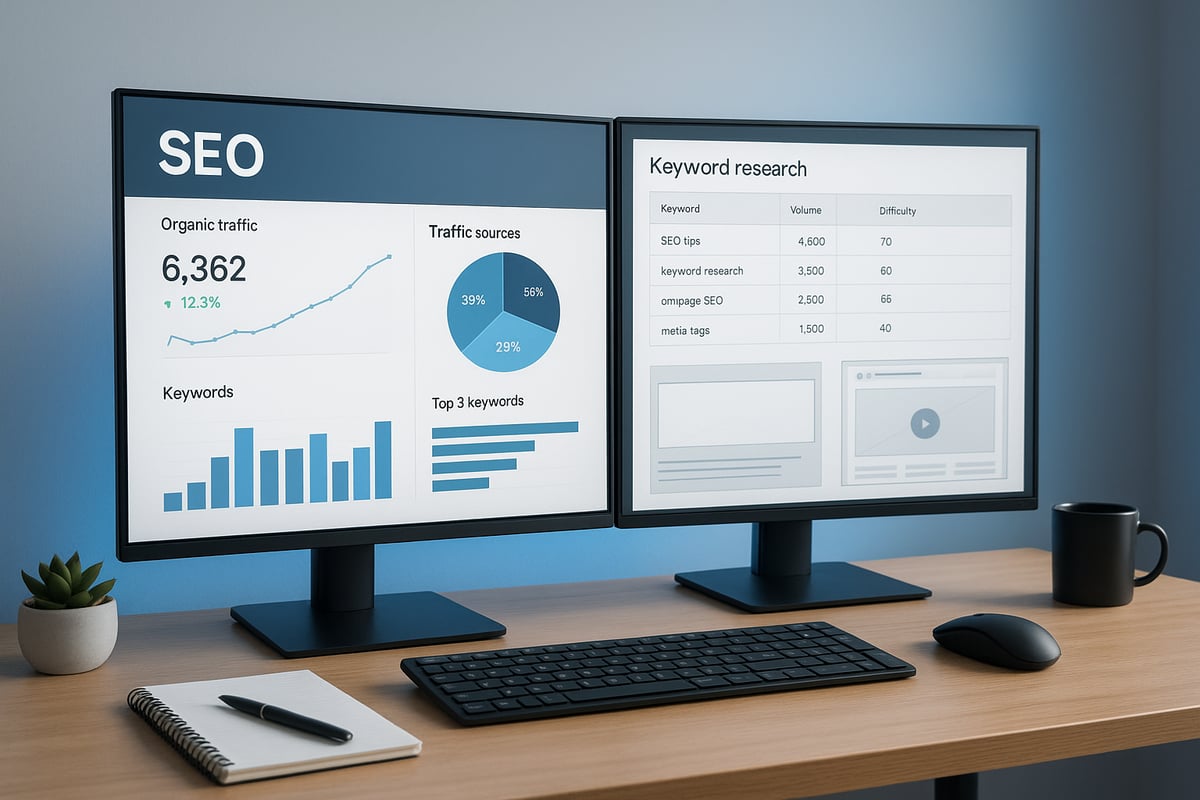
Effective website design and seo start with on-page optimisation. Conduct thorough keyword research, focusing on user intent and long-tail variations that capture niche queries. Ensure every page features optimised meta titles, meta descriptions, clear headers, and well-tagged images.
A strong internal linking structure improves crawlability and user engagement. For example, a local business recently doubled its organic traffic by refining on-page elements and addressing keyword gaps. Integrating SEO and website design strategies from the outset ensures your site is discoverable and competitive.
Technical SEO: Laying the Groundwork
The backbone of website design and seo is technical optimisation. Secure your site with XML sitemaps and a properly configured robots.txt file to guide search engines. Implement schema markup to enhance rich results and improve click-through rates.
Mobile optimisation is non-negotiable, as 70% of top-ranking pages deliver seamless mobile experiences. Monitor page speed and Core Web Vitals using tools like Google PageSpeed Insights, ensuring your website remains fast and accessible for all users.
Content Structure and Readability
A well-structured website design and seo strategy relies on clear content hierarchy and readability. Use hierarchical headings (H1-H3) to break up information and guide users through your content. Aim for high readability scores to maximise user engagement and retention.
Incorporate multimedia, such as videos and infographics, with descriptive alt text for SEO benefits. Blogs enriched with multimedia receive 41% more traffic, highlighting the value of engaging and accessible content formats.
Local SEO for Businesses
Local optimisation is crucial for website design and seo, especially for businesses targeting nearby customers. Start by optimising your Google Business Profile, ensuring your name, address, and phone number (NAP) are consistent across all platforms.
Build local citations and actively manage customer reviews to boost credibility and local rankings. With 46% of all Google searches seeking local information, prioritising local SEO can significantly increase your visibility and drive targeted leads.
Integrating Design and SEO for Maximum Impact
Integrating website design and seo is essential for businesses aiming to thrive online in 2026. Combining creative design with technical optimisation delivers not only an attractive site, but one that ranks well and converts visitors. Let’s explore how a unified approach maximises results.
Collaborative Workflow Between Designers and SEOs
A collaborative approach to website design and seo starts with breaking down silos between creative and technical experts. By involving SEOs early in the design process, teams ensure that wireframes and prototypes address both user experience and search visibility from the outset.
Cross-disciplinary teams can use agile sprints to implement SEO best practices alongside design elements. For example, syncing content structure with navigation design allows for seamless internal linking and crawlability. Businesses that adopt this workflow often see accelerated website launches and stronger organic performance, as both design and SEO objectives align from day one.
UX Signals and Search Rankings
User experience signals now play a major role in website design and seo success. Metrics such as bounce rate, dwell time, and click-through rate directly influence search rankings, as search engines like Google increasingly prioritise engagement.
Interactive features, such as chatbots, sticky navigation menus, and clear call-to-actions, can boost these engagement metrics. RankBrain, Google’s AI algorithm, leverages these signals to rank sites that keep visitors engaged. Focusing on user-centric design not only improves satisfaction, but also gives your website a competitive SEO edge in search results.
Mobile-First and Voice Search Optimisation
Mobile-first design and voice search optimisation are critical for website design and seo in 2026. With more users searching via mobile and voice, sites must feature thumb-friendly navigation, large touch targets, and conversational keyword strategies.
Retailers leading in mobile conversions use adaptive design to present content clearly across all devices. Optimising for featured snippets and natural language queries helps capture voice search traffic. By prioritising mobile UX and voice readiness, businesses can stay ahead of shifting user behaviours and search engine requirements.
Ruff Idea: Your Partner in Web Design and SEO
Ruff Idea specialises in website design and seo tailored for UK businesses. Their team blends creativity with technical expertise, offering services from bespoke web design to e-commerce and local SEO.
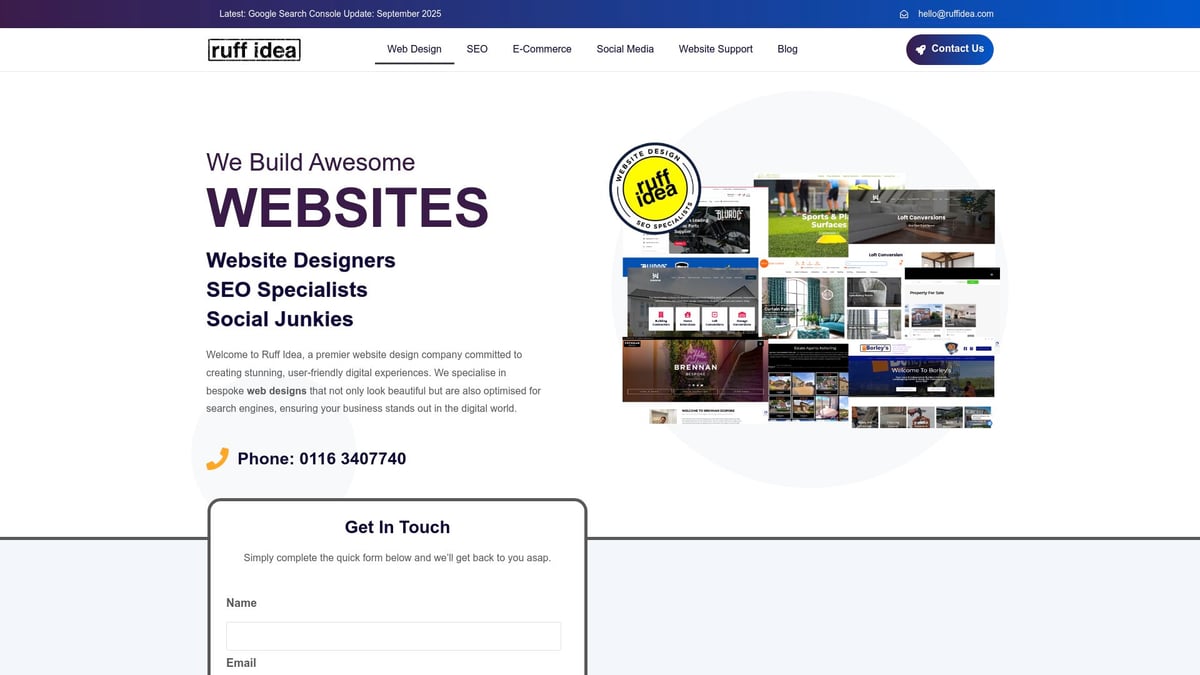
Clients benefit from measurable growth, including higher search rankings and increased lead generation. Ruff Idea’s approach revolves around integrating the qualities of a great website into every project, ensuring both visual appeal and optimal performance. With ongoing support and a focus on results, Ruff Idea stands out as a trusted digital partner.
Content Strategy: Fuel for SEO Success
A robust content strategy sits at the heart of effective website design and seo. In 2026, establishing authority and trust is more than a buzzword, it is an essential foundation. Search engines increasingly value experience, expertise, authoritativeness and trustworthiness (E-E-A-T) when ranking content. Businesses are leveraging data-driven planning and topic clusters to create interconnected pillar pages that dominate niche keywords. Staying informed about SEO Trends 2026 ensures your website design and seo approach remains aligned with the evolving landscape, especially as user-generated content becomes more influential.

Creating Authoritative, Valuable Content
To stand out in the crowded digital space, your website design and seo strategy must focus on producing content that demonstrates true expertise. Start by mapping out your subject areas and building topic clusters around high-value pillars. This signals authority to both users and search engines.
E-E-A-T should guide all content creation. Back up claims with data, use credible sources and invite subject matter experts to contribute. Businesses that create comprehensive pillar pages often see a significant boost in niche keyword rankings.
A clear content hierarchy not only helps users navigate but also enhances crawlability for search engines. The right content structure is fundamental to effective website design and seo.
Content Formats for 2026
The digital landscape in 2026 demands a mix of content formats to capture diverse audience preferences. Video content, for instance, is proven to drive 50 percent higher engagement. Podcasts and interactive guides appeal to users seeking deeper insight or hands-on learning.
AI-driven personalisation tailors content experiences, increasing relevance and retention. When planning your website design and seo, balance short-form content for quick answers with long-form articles for in-depth authority.
Consider this table for format strategy:
| Format | Best For | SEO Benefit |
|---|---|---|
| Video | Engagement | Higher dwell time |
| Podcasts | Authority | Long-tail keywords |
| Guides | Education | Featured snippets |
Matching content type to user intent is key for future-ready website design and seo.
Optimising for Featured Snippets and Zero-Click Searches
Featured snippets and zero-click searches are shaping how users interact with search results. Structuring your website design and seo content for snippet eligibility increases visibility even when users do not click through.
Use clear hierarchical headings (H2, H3), concise definitions and bullet points to improve your chances. Adding FAQ sections, alongside schema markup, signals to search engines that your content is snippet-ready.
Local businesses can gain rapid exposure by optimising for 'People Also Ask' queries. Regularly reviewing analytics helps identify which questions drive impressions, allowing you to refine your website design and seo strategy accordingly.
Updating and Repurposing Existing Content
Keeping content fresh is crucial for ongoing website design and seo success. Audit your site regularly to identify outdated or underperforming pages. Refresh these with new data, updated insights or improved visuals.
Repurposing is another powerful tactic. Transform high-performing blogs into videos, infographics or social posts to reach new audiences. According to HubSpot, updated content can boost organic traffic by 106 percent.
A content calendar ensures consistent updates and helps prioritise which assets to refresh. This iterative approach strengthens your website design and seo over time, maintaining relevance and authority.
Analytics, Measurement, and Continuous Improvement
Understanding how your website design and seo efforts perform is vital for sustained growth. Reliable analytics empower you to make data-driven decisions, spot opportunities, and address weaknesses. By setting up robust measurement systems, you ensure every update drives measurable impact. Let us explore how to build a framework for ongoing improvement.
Setting Up Essential Tracking Tools
The foundation of effective website design and seo measurement lies in using the right tracking tools. Google Analytics 4 offers detailed insights into user behaviour, traffic sources, and conversion paths. Google Search Console reveals how your site appears in search results and flags technical issues.
Heatmap tools like Hotjar or Crazy Egg visually show user interactions, highlighting where visitors click or drop off. Key metrics to monitor include:
- Total traffic and traffic sources
- Conversion rates for key goals
- Bounce rate and average session duration
- User journey through the site
Implementing these tools from launch ensures you capture critical data for ongoing optimisation of your website design and seo strategy.
Interpreting Data for Actionable Insights
Collecting data is only the first step. The real value for website design and seo comes from turning numbers into insights. Segment your data by device, source, and user behaviour to identify trends. For example, you might find mobile users have higher bounce rates, signalling a need for improved mobile UX.
Compare high-performing and underperforming pages. Use metrics like dwell time, exit rates, and conversion paths to uncover what works and what needs refinement. According to the Content Marketing Institute, 72% of marketers use analytics to inform content strategy.
For more on aligning your analytics with current best practices, explore the Latest SEO trends for 2024 to stay ahead of emerging measurement techniques.
A/B Testing and Conversion Rate Optimisation
Continuous improvement in website design and seo requires experimenting with new ideas. A/B testing tools such as Google Optimize and VWO allow you to compare different versions of landing pages, CTAs, and messaging. By running split tests, you can measure which changes lead to more conversions or reduced bounce rates.
A service provider, for instance, increased leads by 30% after optimising their landing page based on test results. Always test one variable at a time for clear insights. Use findings to refine your approach and document what works best for your audience.
Iterative Improvement and Agile Methodologies
Adopting an agile mindset is key for ongoing website design and seo success. Conduct regular site audits to spot technical issues, outdated content, or UX barriers. Schedule agile sprints to rapidly implement and test changes based on analytics feedback.
Encourage feedback loops between your users, designers, and marketers. This collaborative approach ensures your site evolves with user needs and industry shifts. By treating your website design and seo as a living project, you create a sustainable path to long-term growth.
Future-Proofing Your Website and SEO Strategy
Staying ahead in website design and seo requires continuous adaptation. The digital landscape for 2026 will be shaped by rapid technological advancements, changing user expectations, and evolving search algorithms. To secure long-term online visibility, businesses must proactively embrace innovation and resilience.
Adapting to Emerging Technologies
Emerging technologies are redefining website design and seo for forward-thinking brands. Artificial intelligence now powers personalisation, while chatbots streamline customer support and user journeys. Progressive Web Apps (PWAs) deliver app-like experiences directly in browsers, increasing engagement and accessibility.
Immersive technologies such as augmented reality and virtual reality are being adopted for interactive product demos, especially in retail and education sectors. For a comprehensive look at how agentic AI and human-centred aesthetics will influence design, see the latest Web Design Trends 2026.
Adopting these innovations ensures your website design and seo efforts remain relevant and captivating for users.
Preparing for Algorithm Updates and Industry Shifts
Search engines are constantly evolving, impacting website design and seo strategies. Monitoring algorithm changes is essential, as ranking factors shift towards user experience, page speed, and content quality. Proactive technical and content updates can help prevent sudden drops in visibility.
Recent data shows that 60 percent of impacted sites recover by quickly pivoting their strategies after major updates. Staying informed through industry news and analytics tools is crucial. Anticipating change, rather than reacting, sets the foundation for a resilient online presence.
A forward-looking approach to website design and seo minimises risk and maximises growth potential.
Building a Sustainable, Scalable Online Presence
Building a future-proof website design and seo strategy means investing in ongoing learning and trend monitoring. Regular training, attending webinars, and participating in professional communities keep your skills sharp and your strategy responsive.
Omnichannel digital marketing, integrating website, social media, and email, creates a cohesive brand experience. Businesses that combine these channels often see stronger engagement and more sustainable growth. Community building, both online and offline, supports long-term brand loyalty.
A commitment to continuous improvement ensures your website design and seo efforts scale with your business ambitions.
As you’ve seen throughout this guide, a future ready website combines thoughtful design, robust SEO, and ongoing optimisation to help your business rise above the competition. Whether you’re looking to refresh your digital presence, improve your site’s performance, or create something completely bespoke, you don’t have to navigate these challenges alone. At Ruff Idea, we’re passionate about turning your vision into results with tailored solutions that blend creativity and technical know how. If you’re ready to elevate your online presence and drive measurable growth in 2026 and beyond, Get in touch—let’s start building your success together.