In 2026, simply having a visually appealing website is not enough to stand out online. Businesses must now combine innovative design with advanced optimisation to thrive in a landscape shaped by fierce competition and rapidly evolving search engine algorithms.
Modern users expect seamless, fast, and accessible experiences across every device. At the same time, search engines increasingly reward sites that prioritise both user needs and technical best practices. Mastering web design and seo is the key to driving traffic, boosting engagement, and increasing conversions in this new era.
This comprehensive guide reveals actionable strategies and expert insights to help you future-proof your website. You will discover essential design trends, core SEO techniques, technical optimisation tips, content integration strategies, and effective ways to measure your website’s performance in 2026.
The Evolving Landscape of Web Design in 2026
Staying ahead in web design and seo means embracing rapid changes in both fields. In 2026, businesses must adapt to new digital trends and user expectations. Understanding how design innovation and optimisation work together is essential for online success.
Key Web Design Trends for 2026
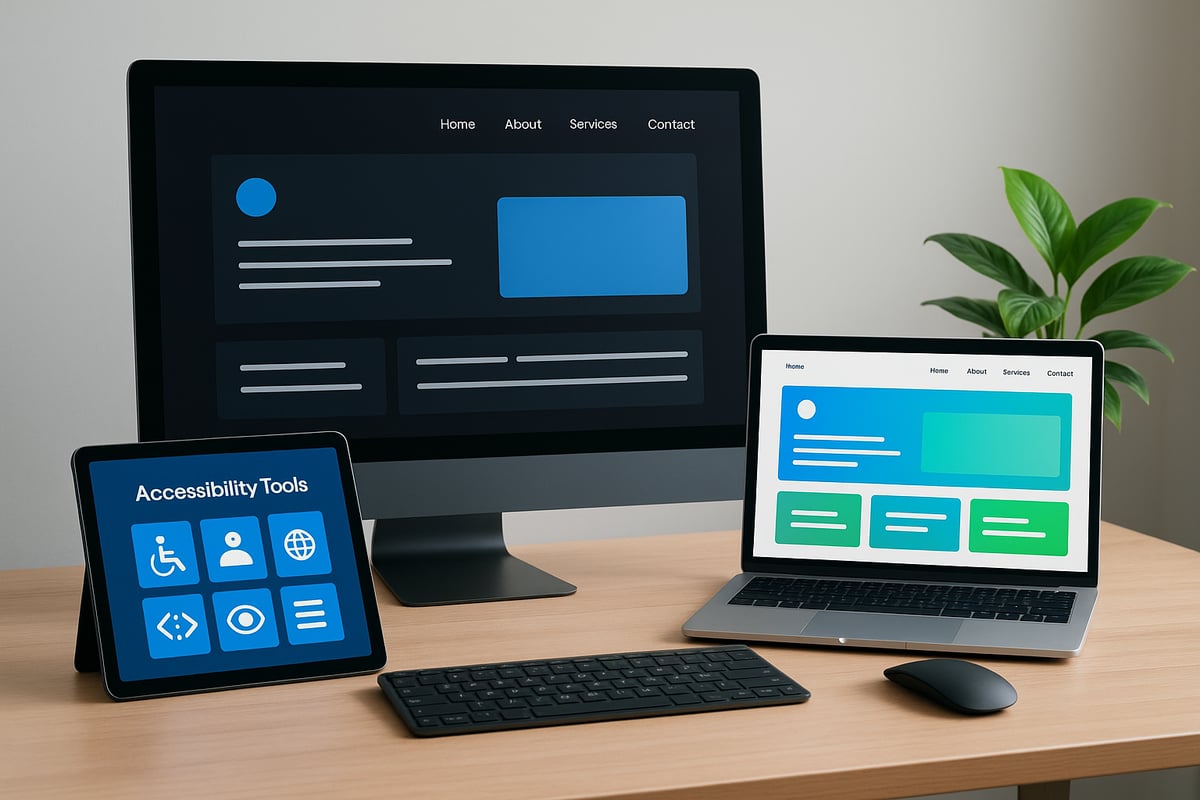
The digital landscape in 2026 is shaped by several transformative trends. Minimalist, distraction-free layouts dominate, helping users focus on content without unnecessary clutter. Dark mode and adaptive colour schemes are now default options, improving accessibility for diverse audiences.
Micro-interactions and subtle animations boost engagement, making sites feel interactive without overwhelming visitors. With mobile usage now exceeding 60 percent of web traffic, mobile-first and thumb-friendly navigation are critical.
AI-driven personalisation offers tailored experiences, while inclusive design ensures all users are welcome by meeting WCAG 2.2 standards. Leading brands adopt AI-powered content blocks to lift conversion rates. According to Adobe, 73 percent of users say design impacts their trust in a business. For a closer look at these innovations, see the Web Design Trends for 2026.
UX/UI Principles That Influence SEO
Web design and seo are closely linked through UX and UI principles. Fast-loading interfaces reduce bounce rates, directly impacting search rankings. Clear, intuitive navigation structures not only enhance the user journey but also allow search engines to crawl websites more efficiently.
Maintaining a consistent visual hierarchy helps users discover content easily. Accessible design, compliant with legal standards, broadens reach and protects businesses from risk.
Sites with logical menus and prominent calls to action see conversion rates rise by 30 percent. Google’s Core Web Vitals now reward these practices, making strong UX/UI a necessity for higher SEO scores.
Responsive and Mobile-First Design
Mobile browsing now accounts for over 65 percent of global web traffic. This shift means web design and seo must prioritise fluid grids, flexible images, and adaptive layouts as standard practice.
Speed and usability on all devices are essential. Technologies like AMP and Progressive Web Apps (PWAs) deliver enhanced mobile experiences, with retailers reporting 50 percent faster load times.
Mobile-first indexing is now the default for all new sites, making responsive design a non-negotiable requirement for visibility and ranking in search results.
Visual Storytelling and Brand Identity
Web design and seo work best when visual storytelling is at the core of a website’s identity. Custom illustrations, video backgrounds, and interactive elements create memorable experiences and reinforce brand consistency.
Story-driven design helps build emotional connections and trust with users. Charities, for example, use immersive storytelling to boost donations and engagement.
Rich media, when optimised with schema markup, can enhance search visibility, driving more organic traffic and improving overall site performance.
Sustainability and Ethical Web Design
Sustainability is increasingly integral to web design and seo strategies. Eco-friendly hosting options and efficient code contribute to a lower carbon footprint.
Ethical data collection and privacy-first design are now expected by users. Transparent cookie management and clear user consent flows are standard features.
Brands actively highlight their sustainability credentials within their design. Google rewards websites with clear privacy policies and ethical practices, supporting both user trust and SEO outcomes.
Core SEO Strategies for 2026
Staying ahead in web design and seo means understanding the latest strategies that drive visibility and performance. In 2026, search engines are more intelligent, user expectations are higher, and the competition is fierce. Here is how your business can adapt and thrive.
Search Engine Algorithm Changes and What They Mean
Google’s search algorithms in 2026 are powered by advanced AI, focusing on user intent and natural language understanding. Updates like BERT and MUM have made it essential for web design and seo strategies to prioritise content that truly answers user queries.
Semantic search and contextual relevance play a leading role. With 80% of queries processed through AI, creating content that reflects real human conversation is critical. Brands that adapt their web design and seo to these changes see better rankings and increased trust from both users and search engines.
On-Page SEO: Content, Structure, and Metadata
Effective on-page SEO is the backbone of web design and seo success. Start by crafting authoritative, in-depth content that directly addresses audience needs. Use structured data, such as schema markup, to enhance your presence in search results with rich snippets and FAQs.
Optimise meta titles, descriptions, and headings for clarity and relevance. Well-structured pages with logical hierarchies help both users and search bots navigate your site. Incorporating these elements ensures that your web design and seo efforts are aligned for maximum impact.
Technical SEO: Speed, Security, and Accessibility
Technical excellence is non-negotiable for modern web design and seo. Core Web Vitals—LCP, FID, and CLS—are direct ranking factors, so focus on fast load times and visual stability. Secure your site with HTTPS and monitor for vulnerabilities.
Image optimisation using formats like WebP or AVIF enhances speed without sacrificing quality. Accessibility features such as ARIA labels and descriptive alt text not only improve usability but also support better search rankings. Prioritising technical SEO helps future-proof your web design and seo strategy.
Off-Page SEO: Link Building and Digital PR
Building authority beyond your website is a vital part of web design and seo. High-quality backlinks from guest posts, industry partnerships, and digital PR campaigns can significantly boost your rankings.
Monitor your backlink profile for toxic links and maintain healthy, relevant connections. Tools like HARO help brands earn authoritative links and positive media coverage. By investing in off-page SEO, you strengthen your overall web design and seo presence and increase your site’s credibility.
Local SEO and Voice Search Optimisation
Local SEO continues to grow in importance, especially as voice search becomes a standard way users find businesses. Optimise your Google Business Profile and ensure local citations are accurate and consistent.
Develop location-based landing pages and focus on conversational, long-tail keywords to capture voice queries. Businesses that adapt their web design and seo for local and voice search often see substantial increases in targeted traffic and engagement.
AI and Automation in SEO
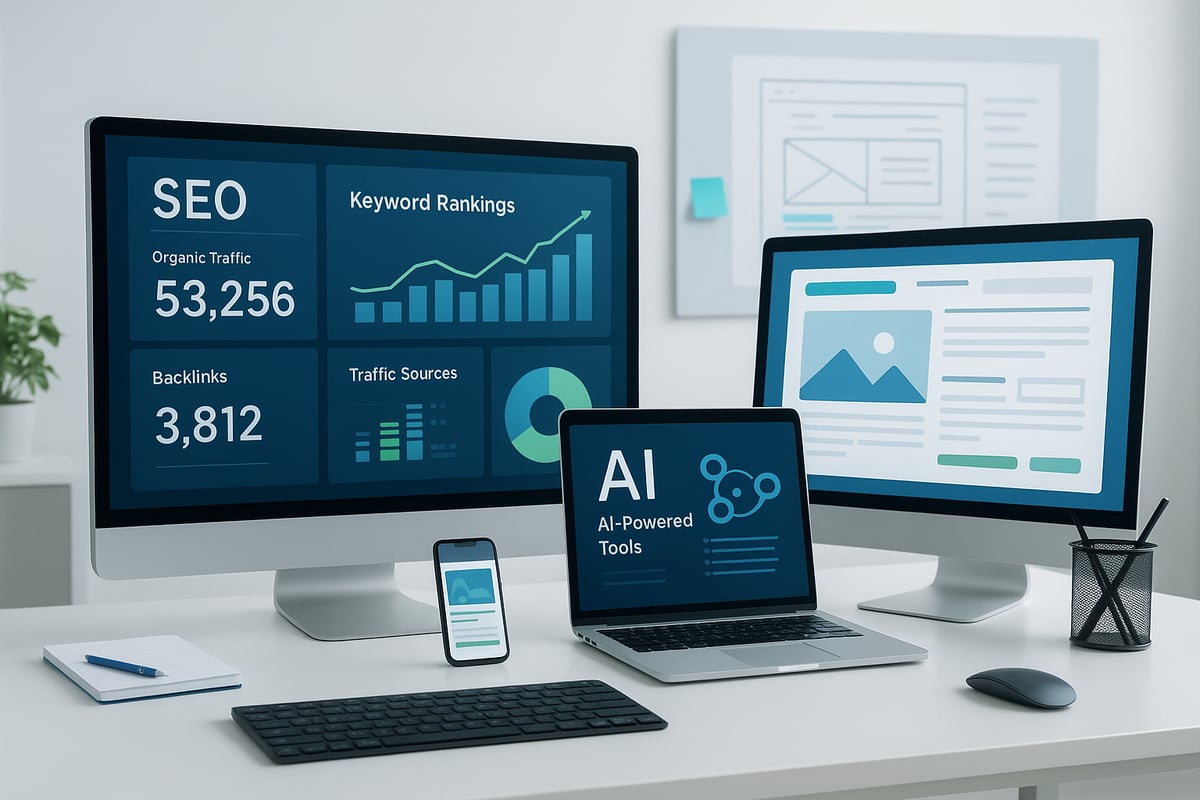
AI and automation are transforming web design and seo workflows. AI-powered tools streamline keyword research, content analysis, and site audits, allowing teams to focus on strategy and creativity.
Automated chatbots and conversational interfaces enhance user engagement and support. Many agencies leveraging AI content tools now produce quality content 40% faster. To explore more about the latest SEO strategies for 2026, consider how automation can give your business a competitive edge.
Integrating Web Design and SEO: Best Practices
In 2026, integrating web design and seo is more crucial than ever. A successful website must unite visual appeal with search performance to stand out in a crowded digital landscape.
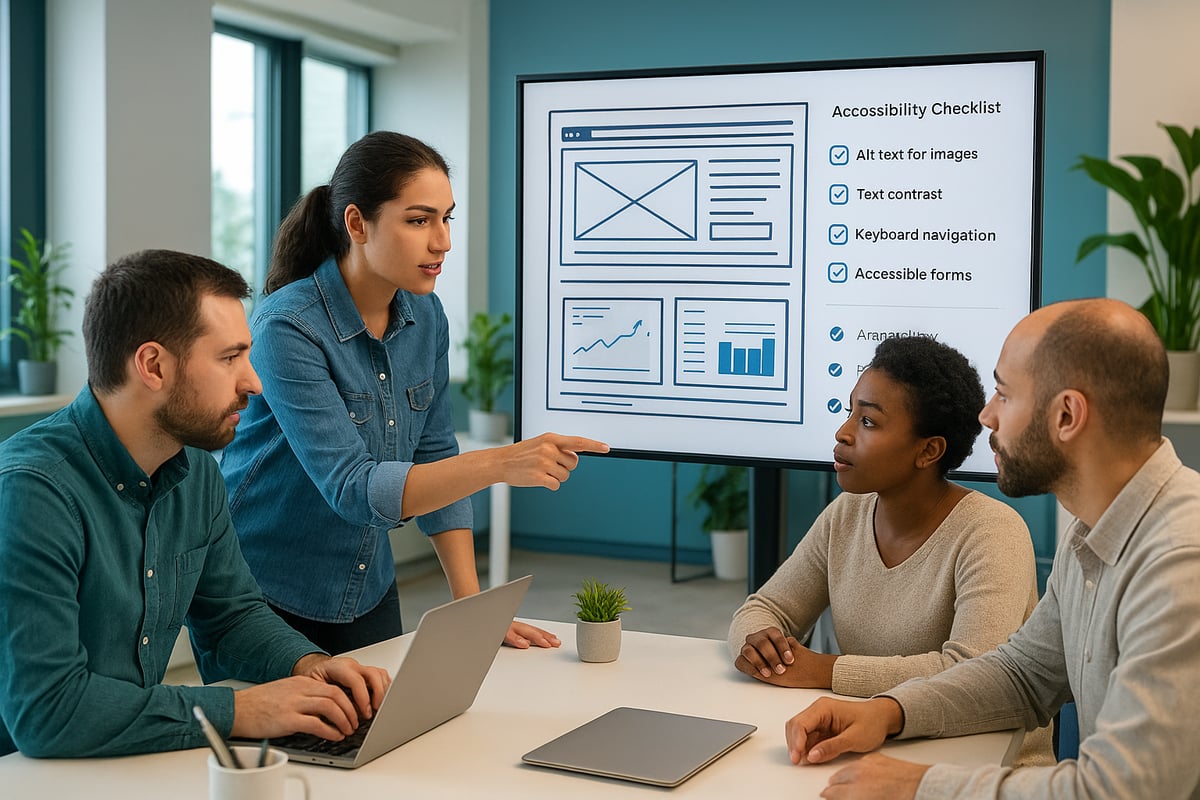
Collaborative Planning Between Designers and SEOs
Effective web design and seo integration starts with collaboration from day one. Designers and SEO experts should set shared goals, ensuring visual creativity aligns with technical optimisation. Early involvement of both teams helps prevent costly reworks and keeps projects on track.
Joint workshops are a powerful way to map user journeys, identify target keywords, and align branding with discoverability. By working together, teams can balance aesthetics and performance, creating engaging sites that also rank well. According to industry data, projects with integrated teams launch 20% faster, saving valuable time and resources.
For a deeper dive on how web design and seo work together in practice, visit this Web Design and SEO Integration guide.
Site Architecture and Navigation for SEO
A clear site structure is the backbone of web design and seo success. Flat, logical hierarchies make it easier for both users and search engines to find key content. Siloing topics by theme boosts authority and relevance, helping your site signal expertise.
Breadcrumbs and intuitive menus not only enhance user experience, but also support better crawling and indexing. E-commerce sites with optimised navigation see up to 18% more pages indexed in search results. When planning navigation, always prioritise clarity, simplicity, and direct access to core sections. This approach drives both engagement and organic visibility.
Optimising Visual Elements for Search
Visual content is essential to modern web design and seo, but it must be search-friendly. Start by compressing images to maintain fast load times without sacrificing quality. Use descriptive file names and alt text so search engines understand your visuals.
Implementing lazy loading ensures that images only load when needed, improving speed and user experience. News and media sites that optimise images consistently achieve 15% higher mobile rankings. Always check that graphics and videos are accessible, with captions and transcripts where relevant, to support both SEO and usability.
Content and Design Synergy
The relationship between content and design is at the heart of web design and seo. Design layouts should make content easy to scan, using headings, bullet points, and clear calls to action. Engaging multimedia, such as videos and infographics, boost dwell time and encourage sharing.
Whitespace and thoughtful typography help users focus on your message without distraction. Blogs and resources with well-designed content blocks often see double the average time on page. When content and design work in harmony, your site delivers value to both humans and search engines, driving sustained growth.
Accessibility as a Dual Win for Users and SEO
Prioritising accessibility is a win-win for web design and seo. Meeting WCAG 2.2 standards ensures your site is usable by all, including those with disabilities. Semantic HTML and proper use of ARIA labels improve crawlability and indexing.
Retailers and service providers who invest in accessibility often experience 12% growth in organic traffic, as Google continues to reward inclusive practices. Making accessibility a core part of your process reduces legal risk and expands your audience, setting your website up for long-term success.
Content Strategy for 2026: Creating for Humans and Search Engines
Creating a content strategy for 2026 requires a careful balance between user needs and search engine requirements. Modern audiences expect valuable, accessible content, while algorithms demand topical depth and technical precision. To future-proof your web design and seo efforts, focus on building authority, delivering value, and maintaining flexibility to adapt to changing trends.
Topical Authority and E-E-A-T
Establishing topical authority is crucial for web design and seo success in 2026. Search engines now prioritise websites that demonstrate in-depth expertise and trustworthiness. To achieve this, build comprehensive content clusters around your main services or products. Cover subtopics in detail, linking related articles to form a logical structure.
E-E-A-T (Experience, Expertise, Authoritativeness, and Trustworthiness) should underpin every page. Feature qualified authors, cite reliable sources, and showcase real-world experience. For a practical guide on what sets a trustworthy site apart, see these Qualities of a Great Website.
Long-Form, Value-Driven Content
Long-form, well-researched content consistently outperforms thin pages. In web design and seo strategy, create guides, whitepapers, and case studies that thoroughly address user queries. Use data, actionable tips, and real examples to add depth.
Break up text with bullet points and subheadings, making it easy to scan. Consider including a summary table for key takeaways. This approach not only improves user engagement but also increases the likelihood of earning backlinks and higher rankings.
Multimedia and Interactive Content
Integrating multimedia is essential for engaging today’s web audiences. Videos, podcasts, and interactive tools keep visitors on your site longer and make information more digestible. For web design and seo, embed explainer videos, product demos, or interactive calculators.
A comparison table can clarify complex information, while infographics summarise data visually. Interactive elements, such as quizzes or polls, not only entertain but also provide valuable user insights, supporting both UX and SEO goals.
Personalisation and Dynamic Content
Personalisation is transforming web design and seo in 2026. AI-driven content recommendations and dynamic landing pages adapt to each visitor’s preferences, increasing relevance and conversion rates. Segment your audience and tailor content to their interests, location, or browsing history.
For example, e-commerce sites can display product suggestions based on previous views. List-based personalisation, such as “Recommended for You” sections, makes users feel valued and improves engagement.
Content Refreshes and Evergreen Strategies
Regularly updating your content ensures sustained performance in web design and seo. Conduct annual audits to identify high-performing pages and expand or refresh them as needed. Focus on evergreen topics that remain relevant over time, but update statistics, examples, and best practices to reflect the latest trends.
This proactive approach keeps your site competitive and authoritative, driving ongoing organic traffic and maintaining strong search visibility.
Measuring Success: Analytics, KPIs, and Continuous Improvement
Understanding how to measure the results of your web design and seo efforts is essential for any business aiming for long-term success. Analytics and data-driven optimisation ensure that your website continues to perform and evolve as user expectations and search algorithms change. By focusing on key metrics, advanced insights, and a commitment to continuous improvement, you can maintain a competitive edge in 2026.
Setting and Tracking Key Performance Indicators (KPIs)
Defining clear KPIs is the first step in evaluating your web design and seo strategy. Common goals include increasing website traffic, boosting conversions, reducing bounce rates, and improving dwell time. Using tools like Google Analytics 4 (GA4) and Google Search Console helps you track these metrics with precision.
A simple KPI table might look like this:
| KPI | Target Example | Tool |
|---|---|---|
| Traffic | +20% YoY | GA4 |
| Conversion | 4% | GA4, CRM |
| Bounce Rate | <40% | GA4 |
| Dwell Time | >2 min | GA4, Hotjar |
Tracking keyword rankings alongside engagement metrics gives a fuller picture of your web design and seo performance. For more insights, explore the latest Web Design Statistics and Insights to benchmark your results.
Advanced Analytics and User Behaviour Insights
Going beyond basic metrics, advanced analytics tools offer a deeper understanding of user behaviour on your website. Heatmaps, session recordings, and user journey mapping highlight where visitors click, scroll, or drop off. These insights reveal friction points in your web design and seo, helping you prioritise improvements.
Use session recordings to observe real interactions and identify confusing elements. Heatmaps show which CTAs or navigation items get the most attention, guiding design decisions. Analysing user journeys can uncover unexpected barriers to conversion, allowing you to streamline the path to goal completion.
Regularly reviewing these insights ensures your web design and seo strategy remains user-focused and effective. This approach fosters a culture of data-driven decision-making for ongoing growth.
A/B Testing and Conversion Rate Optimisation (CRO)
A/B testing is a powerful way to refine your web design and seo performance. By systematically testing variations of landing pages, headlines, images, or CTAs, you can determine which elements drive the highest engagement and conversions.
Start with hypotheses based on your analytics. For example, if users abandon a form, test a shorter version or a different placement. Measure results using conversion tracking tools to ensure statistical significance.
Successful A/B tests often lead to substantial improvements, such as a 35% increase in conversions from optimised landing pages. Integrating CRO into your web design and seo processes ensures continual refinement, resulting in better user experiences and higher ROI.
Iterative Improvement and Staying Ahead of Trends
Continuous improvement is vital for maintaining web design and seo success in a fast-moving digital landscape. Stay updated on the latest trends, algorithm changes, and user expectations through industry news, analytics, and user feedback.
Adopt an agile approach by scheduling quarterly site reviews. Use analytics to identify underperforming pages, and update them with new content or design tweaks. Encourage feedback from users to uncover hidden challenges.
Brands that regularly audit and update their web design and seo strategies are more likely to retain top rankings and deliver superior user experiences. This commitment to iteration ensures your website remains relevant and competitive.
Partnering with Experts: When to Hire a Web Design & SEO Agency
In today’s digital landscape, partnering with the right experts can be the difference between thriving online and getting lost in the crowd. As web design and seo become increasingly complex, professional support offers clear advantages for businesses aiming to stay ahead. The right agency brings not only technical expertise but also the strategic insight needed to adapt to evolving trends and search engine requirements.
Benefits of Professional Support
Choosing to work with a web design and seo agency unlocks a wealth of benefits for businesses of all sizes. Agencies provide access to the latest tools, industry knowledge, and proven processes that deliver measurable results.
- Streamlined project management ensures deadlines are met.
- Agencies stay updated on the latest web design and seo trends.
- Access to specialist skills in design, development, and optimisation.
- Faster project delivery and reduced risk of costly mistakes.
- Ongoing support for updates, analytics, and performance improvements.
With a professional team, you can focus on your core business while experts handle the technical and creative aspects of web design and seo. This allows you to maximise your site’s potential, ensuring it remains competitive and engaging.
What to Look for in a Web Design & SEO Partner
Selecting the right web design and seo partner requires careful consideration. Look for agencies with a strong portfolio, clear communication, and a commitment to transparency.
- Proven track record with successful client projects.
- Positive testimonials and case studies.
- Transparent processes and clear deliverables.
- Willingness to offer ongoing support and training.
- Ability to tailor solutions to your unique business needs.
A reliable agency should align with your business goals and values, providing both strategic guidance and hands-on expertise. This partnership approach ensures your web design and seo efforts drive sustainable growth and measurable results.
Ruff Idea: Bespoke Web Design & SEO Solutions
Ruff Idea exemplifies what a modern web design and seo agency should offer. Based in Leicester, their decade-long experience spans web design, seo, and digital marketing for a diverse range of clients, from local businesses to e-commerce and charities.
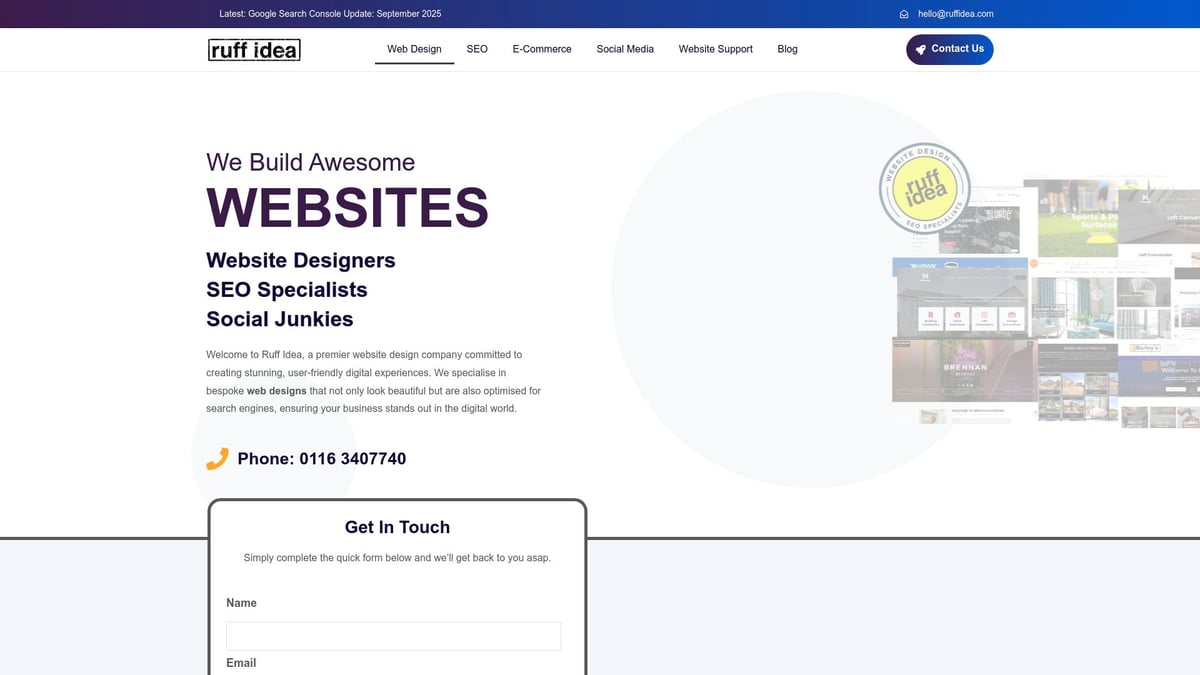
They specialise in crafting bespoke, visually engaging websites tailored to user needs. Ruff Idea integrates expert seo optimisation, social media strategy, and comprehensive support into every project. Clients benefit from transparent communication, ongoing empowerment, and a proven record of boosting online visibility and conversions in the web design and seo space.
Cost Considerations and ROI
Investing in web design and seo services requires understanding different pricing models, such as project-based fees, retainers, or hourly rates. The key is to view these costs as an investment in your business’s digital future.
Calculate ROI by tracking improvements in site traffic, leads, and sales after working with an agency. According to Web Design Statistics 2026, businesses that invest in professional seo and design see an average ROI of 275 percent. This demonstrates the lasting value of expert guidance in your web design and seo strategy.
As you look ahead to 2026, it’s clear that combining modern web design with strategic SEO is essential for standing out online. Whether you’re aiming to attract more visitors, boost engagement, or future proof your brand, having the right expertise by your side makes all the difference. At Ruff Idea, we’re passionate about helping businesses like yours create bespoke, high performing websites that not only look stunning but also deliver measurable results. If you’re ready to elevate your digital presence and want to discuss tailored strategies for your goals, Get in touch—I’d love to help you succeed.