
In 2026, the digital world is more competitive than ever, making a strong online presence absolutely critical for every business. Launching a new website now involves more complexity, but also greater rewards, as technologies and user expectations continue to evolve rapidly.
This guide provides business owners and entrepreneurs with practical, up-to-date strategies to not only launch but thrive with a new website. Follow along for step-by-step insights, from initial planning and design, through SEO, launch checklists, performance tracking, and future-proofing your online platform.
Step 1: Strategic Planning for Your 2026 Website
Launching a new website in 2026 requires a strong foundation built on strategic planning. Success starts long before design or development. Clear objectives, market insight, and a capable team set the stage for growth.

Defining Your Website’s Purpose and Goals
Every new website must begin with a clear sense of purpose. Are you aiming to increase lead generation, boost online sales, or raise brand awareness? Pinpointing your primary objective shapes every decision that follows.
Next, identify your target audience. Consider their behaviours, needs, and digital habits. Are they local shoppers, B2B clients, or global consumers? This helps you map essential features, such as e-commerce, booking systems, or a blog. For example, a local retailer moving online may prioritise regional reach and easy checkout.
Data shows that 70% of UK SMEs see clear goal-setting as key to website ROI (UK Business Digital Index 2023). For a step-by-step approach, refer to the Business Website Creation Guide to ensure your planning covers all bases.
Competitor Research and Market Analysis
Analysing competitors is vital before launching a new website. Explore top performers in your industry. What features make their sites successful? Where do they fall short? Investigate their design trends, user experience, and content strategy.
Use tools like SEMrush, Ahrefs, or SimilarWeb to uncover valuable data. Look for patterns in customer engagement, loading speed, and support features, such as AI-powered chat. For example, e-commerce brands are adopting intelligent chatbots to enhance customer service.
Understanding the landscape allows your new website to stand out. Identify opportunities to innovate and fill market gaps, ensuring your business is ready to compete in 2026.
Choosing the Right Platform and Technology Stack
Selecting the best platform is a cornerstone of any new website project. Consider popular content management systems (CMS) like WordPress, Shopify, or Wix, as well as bespoke solutions. Compare scalability, integrations, and user-friendliness.
| Platform | Scalability | Ease of Use | Customisation |
|---|---|---|---|
| WordPress | High | Moderate | Extensive |
| Shopify | Moderate | High | Limited |
| Wix | Low–Moderate | Very High | Moderate |
Evaluate hosting for speed, security, and support, as these directly impact site reliability. WordPress continues to lead, powering 43% of all websites (W3Techs, 2024). Choose a stack that supports your current needs and future growth.
Budgeting and Timeline Planning
A new website is an investment, so budgeting is essential. Outline costs for design, development, hosting, and ongoing support. Do not overlook expenses for SEO, content, and maintenance.
Break the project into clear milestones: planning, design, development, testing, and launch. Assign realistic timelines and allocate resources for each phase. This ensures the project remains on track and within budget.
Consider contingency for unexpected needs. Transparent planning helps prevent delays and cost overruns, giving your new website the best chance for a smooth launch.
Assembling Your Website Team
Behind every successful new website is a skilled team. Common roles include project manager, designer, developer, copywriter, and SEO specialist. Decide whether to build in-house, hire freelancers, or partner with an agency.
Each approach has pros and cons. In-house teams offer direct control, agencies bring experience, and freelancers provide flexibility. Regardless of structure, clear communication is crucial. Use project management tools to keep everyone aligned and focused.
A well-coordinated team ensures your new website is delivered on time, on budget, and with the quality needed to thrive in the competitive digital landscape.
Step 2: Designing for Impact and Usability
Launching a new website in 2026 means meeting high expectations for both visual appeal and usability. Design is no longer just about looking good—it is about creating experiences that delight visitors and drive results. Let us explore the essential design elements your new website needs to succeed.
Modern Design Trends for 2026
In 2026, new website design trends focus on clean minimalism, bold typography, and immersive visuals. Brands are embracing 3D graphics to showcase products, making sites feel interactive and engaging. Micro-interactions and subtle animations add a layer of polish, guiding users through content and making every click feel rewarding.
Minimalist layouts help users focus, while bold fonts deliver clear messaging. Immersive visuals, like high quality photography and video backgrounds, create memorable first impressions. When planning your new website, consider how these trends can elevate your brand and capture attention from the very first visit.
Mobile-First and Responsive Design
With over 60% of UK web traffic now coming from mobile devices, designing a new website with a mobile-first approach is essential. Prioritise layouts that adapt seamlessly to any screen size, ensuring navigation, text, and visuals remain clear and usable. Responsive design is not just a trend—it is a necessity for modern audiences.
Regularly test your new website using tools such as the Google Mobile-Friendly Test to guarantee a smooth experience on all devices. By focusing on mobile usability from the outset, you ensure every visitor receives the best possible impression, no matter how they access your site.
UX/UI Best Practices
User experience and interface design are at the heart of every successful new website. Intuitive navigation, clear calls to action, and accessible layouts encourage users to explore and engage. Meeting accessibility standards like WCAG 2.2 ensures your site is inclusive for all visitors.
E-commerce sites can benefit from features such as one-click checkout and integrated voice search. For a deeper look at what makes a site truly outstanding, explore the Qualities of a Great Website. These principles guide you towards a new website that not only looks great, but also converts visitors into loyal customers.
Branding and Visual Identity
A strong visual identity makes your new website instantly recognisable. Consistent use of colour, typography, and imagery reinforces brand values and builds trust. Custom illustrations and original photography set your business apart from competitors relying on generic stock assets.
Consider the impact of a bespoke design, as seen in boutique brands that have increased engagement through unique visual storytelling. Investing in your brand’s look and feel ensures your new website leaves a lasting impression with every visitor.
Content Strategy and Storytelling
Content is the backbone of your new website. Plan your content around user needs and search intent, delivering value at every stage. Incorporate multimedia elements like video explainers, infographics, and interactive features to boost engagement and encourage conversions.
For service businesses, explainer videos can simplify complex offerings and drive action. Effective storytelling not only informs but also connects emotionally, turning your new website into a trusted resource for your audience.
Speed and Performance Optimisation
A fast-loading new website is critical for both user experience and SEO. Studies show that 53% of users abandon a site if it takes more than three seconds to load. Optimise images, minimise code, and use a content delivery network (CDN) to ensure quick load times.
Regular performance testing helps you identify and address bottlenecks before they impact visitors. By prioritising speed, you reduce bounce rates and improve your new website’s visibility in search results.
Security and Privacy by Design
Security is a foundational aspect of any new website. Implement HTTPS and SSL certificates to protect user data and build trust. Ensure GDPR compliance by using clear privacy policies and cookie consent banners.
Schedule routine vulnerability scans and keep software up to date to minimise risks. By making privacy and security a priority from the start, you give visitors confidence in your new website and your brand.
Partnering with Ruff Idea: Bespoke Website Design and Support
If you want your new website to stand out and perform in 2026, partnering with experts can make all the difference. Ruff Idea, based in Leicestershire, delivers bespoke, visually striking websites tailored to your needs. Their services cover everything from e-commerce solutions and SEO to ongoing support.
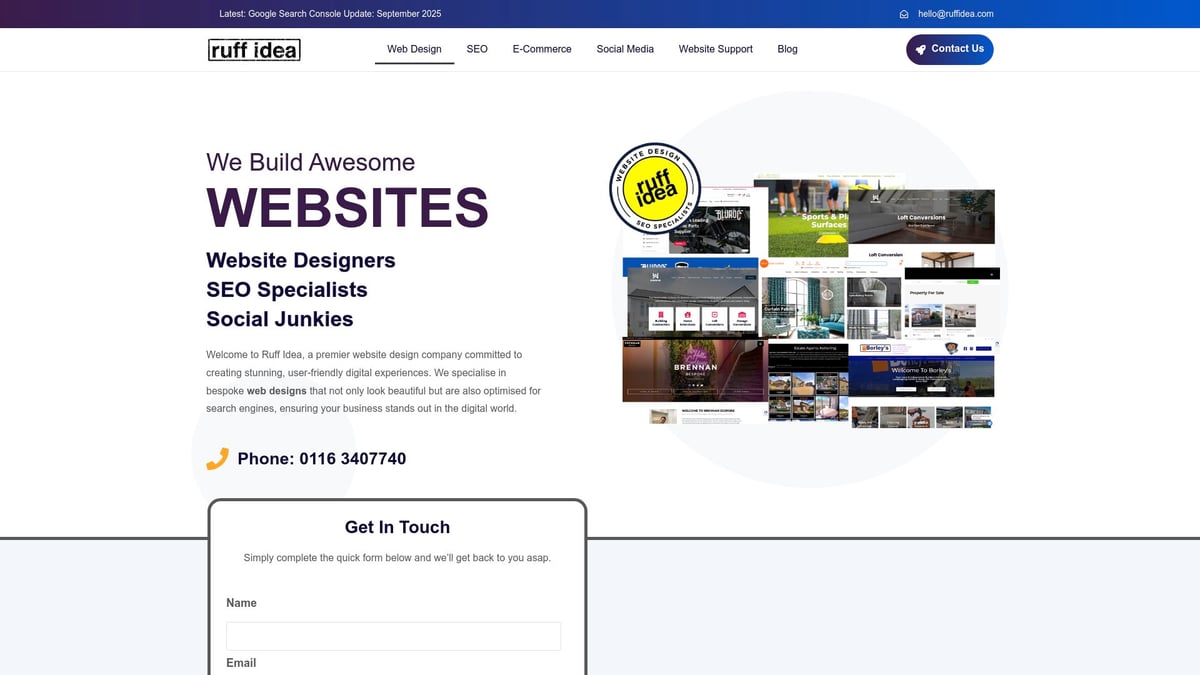
All new websites are built with responsive design and an easy-to-use CMS, so you stay in control. Clients benefit from local expertise, transparent communication, and a full year of included support. With Ruff Idea, your new website is set up for long-term success.
Step 3: SEO and Content Optimisation for 2026
Staying ahead in search results is essential for any new website aiming to make an impact in 2026. With search engines becoming more intelligent and user behaviours evolving, mastering SEO and content optimisation is a must for lasting success. Let’s break down the critical strategies you need to launch and grow a high-performing new website.

Core SEO Fundamentals
Start with a clear SEO foundation for your new website. Focus on on-page optimisation, including precise title tags, informative meta descriptions, and a logical heading structure. These elements help both users and search engines understand your content.
Keyword research in 2026 is more nuanced than ever. Prioritise long-tail, semantic, and voice search queries. For example, local businesses should target conversational phrases like “best coffee shop near me” to attract relevant traffic. By aligning your keyword strategy with how people actually search, your new website will be better positioned to capture attention.
Technical SEO Essentials
Technical SEO is the backbone of your new website’s visibility. Ensure your pages load quickly, as slow sites often lose visitors. Mobile optimisation is critical, with most users now browsing on their phones.
Implement schema markup to boost your site’s presence in search results. According to Search Engine Journal on Structured Data, sites with structured data see a 30% higher click-through rate. This makes your listings more appealing and informative. Also, check crawlability by submitting a sitemap and monitoring for indexing issues.
Content Creation and Optimisation
Content remains king for every new website. Produce high-quality, original material that answers real user questions and solves their problems. Use content clusters and pillar pages to establish topical authority in your niche.
A practical approach is to create buying guides, product comparisons, or detailed service pages. For example, an e-commerce new website might publish in-depth guides to help customers make informed decisions. This not only supports SEO but also builds trust and encourages users to return.
Link Building and Digital PR
Building a strong backlink profile is still a top ranking factor for your new website. Focus on earning links from authoritative sites through guest posts, digital partnerships, and industry collaborations.
Get listed in reputable industry directories and pursue local citations where appropriate. Backlinks signal trust to search engines, helping your new website climb higher in the rankings. Remember, quality matters more than quantity, so target relevant and respected sources.
Local SEO Strategies
For location-based businesses, local SEO is a game-changer. Optimise your Google Business Profile with accurate contact details, photos, and up-to-date information. Encourage customers to leave reviews and respond to feedback quickly.
Consider creating dedicated location pages if your new website serves multiple areas. Trades and service businesses can reach more customers by targeting local keywords and ensuring their profiles are consistent across all directories.
AI and Automation in SEO
AI and automation are transforming how new website owners approach SEO. Use AI-powered tools to streamline keyword research, generate content ideas, and monitor competitors. Automation can handle technical audits, track rankings, and produce regular performance reports.
Staying current with these innovations means your new website will operate efficiently and stay ahead of the competition. Embrace these technologies to save time and focus on strategic growth.
Step 4: Launching Your Website – A Step-by-Step Checklist
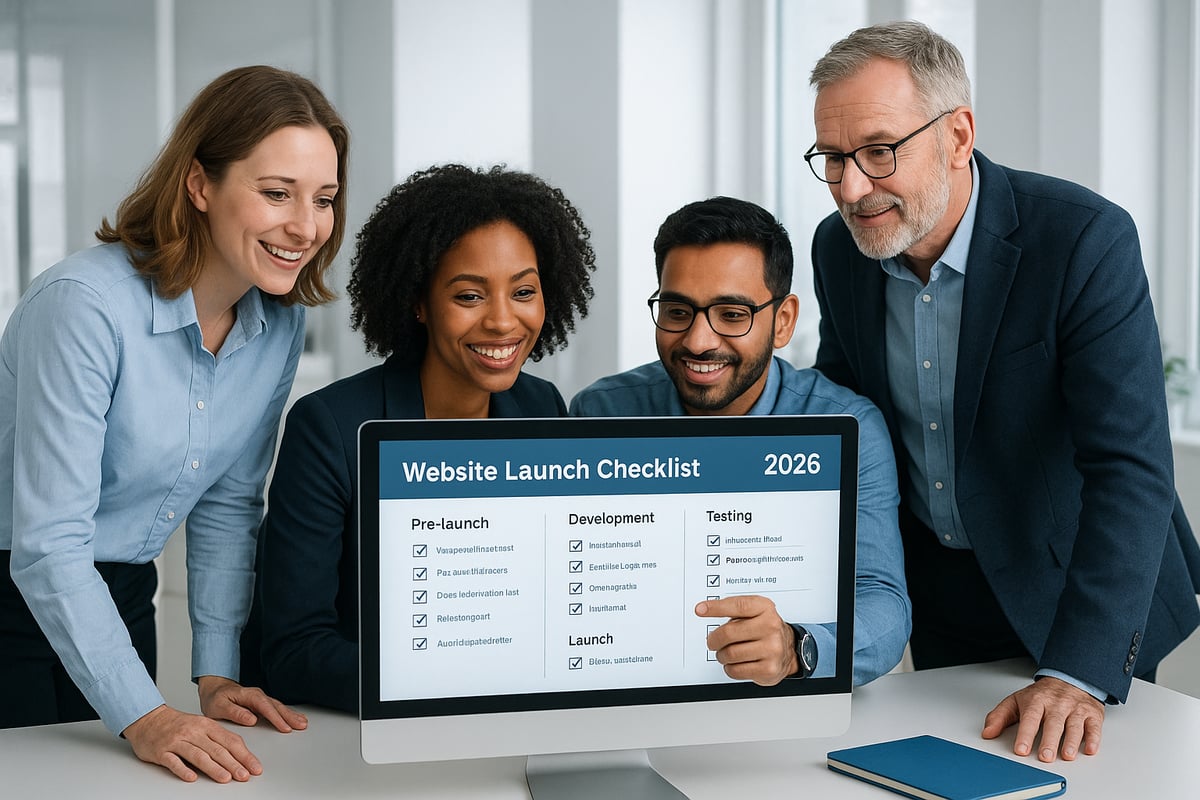
Ensuring your new website is ready for launch requires a systematic approach. This checklist covers essential steps to reduce risks, maximise performance, and make a strong first impression online. Each stage is crucial for a successful launch and ongoing growth.
Pre-Launch Testing and Quality Assurance
Before unveiling your new website, rigorous pre-launch testing is essential. Check every page for proper layout and functionality across browsers and devices. Test all forms, payment gateways, and integrations to ensure a seamless user experience.
- Validate navigation menus and internal linking.
- Review content for spelling, grammar, and accuracy.
- Confirm images and videos load correctly.
Conduct user acceptance testing to identify overlooked issues. For those relaunching or upgrading, consult Website Redesigns and Best Practices for additional insights. A well-tested new website minimises launch surprises and builds user trust from day one.
SEO and Analytics Setup
Setting up SEO and analytics tools is vital for tracking your new website’s performance from the outset. Install Google Analytics 4 and Google Search Console to monitor visitor behaviour and organic search visibility.
- Submit your XML sitemap for proper indexing.
- Configure robots.txt to control crawler access.
- Set up conversion tracking for key actions.
Optimise title tags, meta descriptions, and headings for target keywords. Early SEO groundwork ensures your new website is discoverable and measurable, providing the data needed for ongoing improvement.
Security and Backup Protocols
Security is fundamental for every new website. Implement SSL certificates to encrypt data and activate security plugins to guard against threats.
- Schedule regular automated backups.
- Test backup restoration procedures.
- Update all plugins, themes, and CMS components.
Monitor for vulnerabilities and set up alerts for suspicious activity. Secure passwords and limit admin access. Protecting your new website from the outset ensures business continuity and user confidence.
Legal and Compliance Checks
Every new website must meet legal and regulatory standards. Ensure your privacy policy, cookie consent, and terms of use are clear and accessible.
- Review GDPR compliance for data handling.
- Add an accessibility statement to support all users.
- Include copyright and intellectual property notices.
Check that your new website meets WCAG 2.2 accessibility guidelines. Staying compliant not only avoids penalties but also demonstrates your commitment to user rights and data security.
Launch Announcement and Marketing
A strong launch plan helps your new website gain immediate traction. Prepare email campaigns, social media teasers, and press releases to announce your launch.
- Partner with influencers or industry forums.
- Schedule promotional offers for launch day.
- Create engaging visuals and branded content.
Encourage early visitors to share feedback and spread the word. A well-orchestrated launch ensures your new website reaches your audience quickly and builds momentum from the start.
Post-Launch Monitoring
Once your new website is live, continuous monitoring is essential. Use real-time analytics to track traffic, errors, and user behaviour. Address any technical issues immediately to maintain a seamless experience.
- Collect user feedback for rapid improvements.
- Monitor uptime and site speed.
- Review conversion data for optimisation opportunities.
Early attention to performance and feedback helps your new website adapt and thrive in the competitive digital landscape.
Step 5: Measuring Success and Continuous Improvement
Launching a new website is only the beginning. To ensure ongoing growth and a strong return on investment, you must measure performance and adapt your strategy. This step focuses on tracking, analysing, and improving every aspect of your new website for lasting success.
Key Performance Indicators (KPIs) to Track
Identifying the right KPIs is the foundation for evaluating your new website. These indicators reveal whether your digital goals are being achieved.
Common KPIs include:
- Website traffic and unique visitors
- Bounce rate and average session duration
- Conversion rates (sales, signups, enquiries)
- Pages per session and traffic sources
Set up custom dashboards using platforms like Google Analytics 4 to visualise performance. Regularly review these metrics to spot trends, opportunities, and areas needing attention. Monitoring KPIs helps you make informed decisions and ensures your new website remains aligned with your business objectives.
User Behaviour Analysis
Understanding how visitors interact with your new website is essential for ongoing optimisation. Tools like heatmaps and session recordings reveal which sections attract attention and where users may drop off.
Utilise user journey mapping to identify friction points. Collect qualitative insights through feedback forms and surveys, helping you discover what users value or find challenging.
If you notice patterns such as increased bounce rates or declining conversions, it might be time to assess whether your site is still meeting business needs. For further guidance, see these Signs You Need a New Website.
Ongoing SEO and Content Updates
A new website requires regular updates to maintain strong search rankings and user engagement. Refresh outdated content, update key pages with the latest information, and add new resources to address evolving user intent.
Develop a schedule for publishing blog posts, seasonal campaigns, and case studies. Use keyword research to identify opportunities for new topics and to strengthen your site’s topical authority. Consistent content updates keep your new website relevant and competitive in search results.
Performance Optimisation and Site Health Checks
Regular technical audits are vital for keeping your new website running smoothly. Monthly speed and security checks help you identify issues before they impact visitors.
Key tasks include:
- Fixing broken links and missing images
- Optimising load times by compressing images and minifying code
- Checking for security vulnerabilities and updating plugins or software
By maintaining a healthy site, you ensure a positive user experience and protect your investment in the long term.
Scaling and Evolving Your Website
As your business grows, your new website should evolve to meet changing needs. Consider adding new features such as chatbots, appointment booking, or multi-language support in response to user demand.
Prepare for spikes in traffic by scaling your hosting and optimising backend processes. Regularly assess your site’s capabilities and plan upgrades that align with your business strategy. Adapting your new website ensures it remains effective and future-ready.
Staying Ahead of Trends
The digital landscape is constantly changing, making it crucial to keep your new website up to date. Monitor industry news, technology updates, and emerging best practices.
Attend webinars, conferences, and networking events to learn from experts and peers. Encourage your team to embrace continuous learning and experimentation, ensuring your new website stays ahead of the competition and delivers ongoing value.
Step 6: Future-Proofing Your Website for Long-Term Success
Launching a new website in 2026 is only the beginning. To ensure lasting impact and growth, future-proofing is essential. Businesses must stay agile and proactive, adapting to technological, regulatory, and market shifts. This section will guide you through the critical aspects of long-term website success, from emerging innovations to international expansion.
Embracing Emerging Technologies
The digital landscape evolves rapidly. For your new website, integrating artificial intelligence, chatbots, and recommendation engines can create personalised experiences that boost engagement. Augmented and virtual reality are gaining traction for immersive product showcases, especially in retail and education.
Selecting a flexible content management system is vital to support future innovations. According to W3Techs CMS Market Share 2024, platforms like WordPress remain industry leaders due to their adaptability and extensive plugin ecosystems. Building your new website on a scalable foundation ensures you can quickly adopt new tools and trends as they arise.
Sustainability and Green Web Practices
Sustainability is no longer optional. UK consumers increasingly favour brands prioritising eco-friendly digital operations. Hosting your new website on green servers minimises its carbon footprint. Optimising code for efficiency and reducing media file sizes can also lower energy consumption.
Consider these actions for a sustainable new website:
- Choose renewable-powered hosting providers
- Regularly audit and streamline code
- Use energy-efficient image and video formats
Research shows that 60% of UK consumers prefer sustainable digital experiences, making this a strategic advantage for your business.
Accessibility and Inclusivity as Standard
Designing for everyone is a core principle in 2026. Your new website should cater to a wide range of abilities and neurodiversity. Following WCAG guidelines, using accessible colour contrasts, and offering keyboard navigation options are vital steps.
Tools and plugins can help automate accessibility checks. Prioritising inclusivity not only broadens your audience but also demonstrates your brand’s commitment to social responsibility. Accessible websites are more likely to achieve higher engagement and customer loyalty.
Preparing for Regulatory Changes
Regulations around data privacy and accessibility are continually evolving. When building a new website, anticipate updates to GDPR, ePrivacy, and digital accessibility laws. Non-compliance can lead to costly fines and reputational damage.
Stay ahead by:
- Regularly reviewing legal requirements
- Updating privacy policies and consent mechanisms
- Training your team on compliance best practices
Proactive compliance ensures your new website remains trustworthy and secure for all users.
Building a Community Around Your Website
A thriving online community can double your engagement rates. Incorporate forums, user-generated content, and loyalty programmes into your new website to foster interaction and brand advocacy.
Examples include brands that encourage reviews, testimonials, and discussion boards. These features help customers feel valued and connected, transforming passive visitors into active contributors. Strong communities also provide feedback and ideas for ongoing improvements.
Data Security and User Trust
In an era of increasing cyber threats, data security is foundational for any new website. Implement robust encryption, multi-factor authentication, and regular vulnerability scans to protect sensitive information.
Transparency is equally important. Clear privacy policies and user data controls build trust and reassure visitors. A secure new website not only complies with regulations but also enhances your brand’s reputation and customer retention.
Continuous Learning and Adaptation
The digital world never stands still. Ongoing training for your team ensures they stay updated on the latest tools, trends, and best practices relevant to your new website.
Foster a culture of experimentation and agile improvement. Encourage regular reviews of analytics, user feedback, and competitor activity. This approach enables you to swiftly adapt your new website to changing user expectations and market conditions.
Leveraging Partnerships and Expert Support
Collaboration accelerates growth. Partnering with digital agencies, consultants, or technology experts can provide fresh perspectives and specialised skills for your new website.
Consider these partnership benefits:
- Access to advanced tools and industry insights
- Support with complex integrations or design overhauls
- Ongoing advice for scaling and optimisation
Many successful businesses work with agencies to ensure their new website remains competitive and innovative.
Planning for International Growth
Expanding beyond borders requires thoughtful planning. Prepare your new website for international audiences by implementing multi-language support and localisation features.
Address cross-border e-commerce challenges such as currency conversion, tax regulations, and shipping logistics. Research local cultural nuances to ensure content resonates with each market.
A future-proof new website adapts easily to global expansion, unlocking new opportunities for growth and revenue.
As you look to launch and grow your website in this dynamic digital landscape, remember that having a clear strategy, impactful design, and ongoing support can make all the difference. Whether you’re planning your first site or refining your online presence for 2026, we’re here to help you navigate every step—from initial ideas to long term success. If you’d like tailored advice or want to discuss how your business can truly thrive online, I invite you to Get in touch with us today. Together, we can create something remarkable for your next chapter.