In 2026, the digital landscape is more competitive than ever, making website services a cornerstone of business success. A strong online presence is no longer optional but essential for any company aiming to grow and thrive.
This guide offers a clear, practical overview of website services, cutting through the confusion to help you make confident decisions. Whether you are a business owner, marketer, or entrepreneur, you will discover the latest trends, key service types, and actionable steps to build, optimise, and secure your site. Ready to unlock the full potential of your digital future? Explore the insights that will set your business apart.
Understanding Website Services in 2026
Establishing a strong digital presence in 2026 requires a clear understanding of website services and the rapidly evolving landscape they inhabit. Businesses now face a diverse range of options, each tailored to specific needs and goals. From design and development to hosting and ongoing support, website services have become more advanced, interconnected, and essential than ever before.

Defining Website Services
Website services in 2026 encompass everything involved in building, managing, and optimising a business’s online presence. These services include design, development, hosting, and technical support, each fulfilling a distinct role. Design focuses on aesthetics and usability, while development handles functionality and structure. Hosting ensures websites are accessible online, and support maintains performance and security. Over the past few years, website services have shifted towards bespoke solutions, seamless integrations, and greater emphasis on user experience. Key terms include UI/UX, CMS, SSL, and responsive design, which are now standard in the industry.
Types of Website Services
Modern website services span several categories to address various business needs. Website design covers branding, customisation, and user interface, ensuring a visually appealing and consistent experience. Website development includes both front-end and back-end work, as well as content management systems like WordPress or Shopify. E-commerce website services provide shop setup, payment gateway integration, and product management. SEO and digital marketing solutions help improve visibility, while ongoing maintenance and support keep sites secure and up to date. By choosing the right combination of website services, businesses can create a powerful, scalable online platform.
- Website design (UI/UX, branding)
- Website development (front-end, back-end, CMS)
- E-commerce solutions (shop setup, payments)
- SEO and marketing
- Maintenance and support
The Importance of Website Services for Businesses
Recent data shows that over 85% of consumers research online before making a purchase, highlighting the crucial role of website services. A well-designed, optimised site builds credibility and trust, directly influencing customer decisions and conversion rates. In fact, companies with effective website services and digital strategies see up to 30% higher engagement. This competitive edge is essential for brand differentiation and expanding market reach. Businesses that invest in robust website services are better equipped to attract, convert, and retain customers in an increasingly digital marketplace.
How Website Services Have Changed
Website services have transformed significantly from 2020 to 2026. The adoption of mobile-first and responsive design ensures seamless experiences across all devices. Expectations for speed, security, and accessibility are higher than ever, driven by user demands and regulatory standards. Integrations with social media, CRM systems, and automation tools streamline business operations. Cloud-based hosting and SaaS models offer flexibility and scalability, while personalisation and enhanced user journey mapping have become central to strategy. These changes reflect the need for website services to be adaptable, secure, and customer-focused.
Emerging Trends in Website Services
Several trends are shaping website services as we look to the future. Artificial intelligence is driving smarter design and automated chatbots, while voice search optimisation is becoming a necessity as more users adopt voice assistants. Augmented reality and interactive features are enhancing user engagement, and sustainability is a growing priority, with green hosting and energy-efficient coding practices on the rise. According to recent studies, over 65% of businesses now leverage AI-driven design tools to streamline workflows and improve site performance, marking a significant shift in how website services are delivered.
The Website Creation Process: Step-by-Step
Building a powerful online presence in 2026 demands a well-planned approach to website services. Each phase of the website creation process, from strategy through to ongoing support, plays a vital role in delivering results. By understanding every step, businesses can make informed choices, reduce risks, and set the stage for long-term digital success.

Step 1: Planning and Strategy
Every successful digital project starts with clear goals and a solid plan. Define your business objectives and identify what you want your website to achieve, whether it is boosting sales, generating leads, or providing information.
Research your target audience and study competitors to understand market expectations. Decide if you need a template or a bespoke approach for your website services, factoring in brand requirements and scalability. Set realistic timelines and budgets, ensuring all stakeholders are aligned before moving forward.
Step 2: Design and User Experience (UX)
Design shapes the first impression and drives engagement. Focus on visual hierarchy, consistent branding, and intuitive navigation to enhance the user journey. Begin with wireframing and prototyping to map out content structure and functionality.
Compliance with accessibility standards, such as WCAG 2.2, ensures your website services reach everyone, including users with disabilities. Brands that invest in UX improvements often see measurable gains, like increased conversions or reduced bounce rates, demonstrating the value of prioritising design.
Step 3: Website Development
Development transforms designs into a functional reality. Front-end developers bring visuals to life, while back-end specialists handle databases and integrations. Choosing the right CMS, such as WordPress, Wix, or Shopify, is crucial for flexibility and growth.
Mobile-first coding practices ensure your site looks great on all devices. Security is embedded at every stage, protecting data and users. For those focused on online retail, E-commerce website design services offer tailored solutions, integrating complex features and payment systems as part of comprehensive website services.
Step 4: Content Creation and SEO
Content is the voice of your brand. Develop clear, compelling copy and engaging visuals to communicate value. On-page SEO, including optimised meta tags, headings, and images, helps your website services achieve better visibility in search results.
Integrate blogs, case studies, and multimedia to provide depth and encourage interaction. For e-commerce, optimised product pages with rich content and strategic keywords drive traffic and sales, illustrating the critical link between content and business outcomes.
Step 5: Testing and Launch
Before going live, rigorous testing is essential. Check compatibility across browsers and devices to guarantee a consistent experience. Performance optimisation, including speed improvements, caching, and use of a CDN, ensures your website services meet user expectations.
Use a launch checklist covering content, functionality, and security. After launch, set up analytics to monitor performance, enabling data-driven improvements from day one.
Step 6: Ongoing Support and Maintenance
Website services do not end at launch. Regular updates and security patches protect against threats and keep features current. Implement robust backup strategies and uptime monitoring to minimise downtime.
Choose between in-house support or agency solutions, considering expertise and responsiveness. Proactive maintenance can prevent costly issues, as seen when businesses recover quickly from unexpected incidents, safeguarding both reputation and revenue.
Key Website Services Explained
Choosing the right website services is crucial for building a digital presence that stands out in 2026. Businesses require a blend of design, functionality, marketing, and ongoing support to succeed online. Below, we break down the core types of website services, how they work, and why each matters for your business goals.
Bespoke Website Design
Bespoke website design is the cornerstone of premium website services. Unlike template-based solutions, bespoke design offers complete customisation, enabling brands to reflect their unique identity and values online. This approach supports tailored features, specific user journeys, and seamless scalability.
For example, a boutique retailer investing in bespoke website services can integrate exclusive e-commerce features, leading to a stronger brand image and improved user experience. Trends for 2026 include minimalism, dark mode, and subtle micro-animations, which enhance engagement without overwhelming visitors. Choosing bespoke website services ensures your site evolves with your business and stands out in a crowded digital landscape.
E-Commerce Website Services
E-commerce website services are essential for any business selling online. These services cover everything from setting up product catalogues and secure payment gateways to managing shipping and returns. Integrations with inventory management, CRM, and ERP systems streamline operations and keep data accurate.
Conversion optimisation is a core aspect of e-commerce website services. Techniques such as personalised product recommendations, intuitive checkout flows, and trust signals can significantly increase sales. By 2026, UK e-commerce sales are projected to reach £200bn, underlining the vital role of website services in capturing this market.
SEO and Digital Marketing Integration
SEO and digital marketing integration are key components of comprehensive website services. On-page SEO ensures that every page is optimised with meta tags, headings, and image descriptions. Off-page SEO, including link building and local citations, boosts your site's authority.
Content marketing, blogging, and social media integration all contribute to greater reach. Paid advertising can accelerate results, but organic traffic remains the backbone of sustainable growth. For a deeper dive into these strategies, see SEO and marketing solutions. Local businesses have increased organic traffic by 40% through integrated website services, demonstrating the impact of a well-rounded approach.
Website Hosting and Domain Services
Reliable website hosting and domain services are foundational for any online presence. Hosting options include shared, VPS, dedicated, and cloud hosting, each with different levels of performance and security. Domain registration and management ensure your brand’s digital ownership is secure.
SSL certificates are a must-have for any site, protecting user data and improving search rankings. Green hosting is an emerging trend, with many businesses now seeking sustainable website services to reduce their carbon footprint. Choosing the right hosting and domain services supports both performance and credibility.
Website Support and Maintenance
Ongoing website support and maintenance are vital for long-term success. Regular updates and security patches protect against vulnerabilities. Daily backups and uptime monitoring minimise the risk of data loss or downtime.
Website services often include multiple support channels, such as live chat, email, and phone. Proactive maintenance plans keep your site running smoothly. A single hour of downtime can negatively impact business reputation, highlighting the importance of robust website services for support.
Security and Compliance
Security and compliance are non-negotiable aspects of website services in 2026. Adhering to GDPR and data privacy regulations protects both your business and your customers. Implementing HTTPS, firewalls, and intrusion detection systems keeps your site secure from threats.
Accessibility compliance is also critical, with legal requirements ensuring your website is usable by all. A recent case study showed a business facing significant fines for non-compliance, underscoring the risks of neglecting these aspects of website services. Proactive security measures safeguard your reputation and build customer trust.
Why Choose Ruff Idea for Your Website Services?
Ruff Idea sets the benchmark for website services, specialising in bespoke web design, SEO, and ongoing support. With over a decade of experience serving Leicester and the Midlands, Ruff Idea delivers end-to-end solutions, from design and build to optimisation and support.
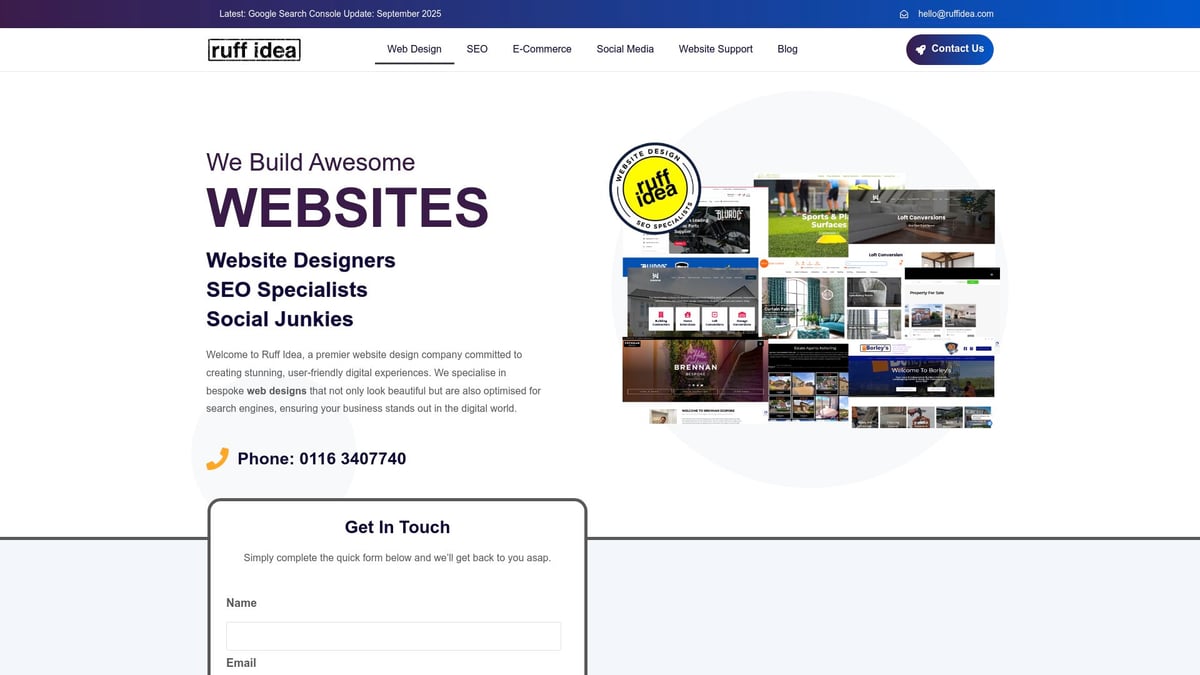
Clients benefit from a client-centric approach, including 12 months of included support. Real-world case studies show businesses transformed by Ruff Idea's website services, with improved engagement, higher conversions, and lasting digital growth. Choosing Ruff Idea means partnering with a team dedicated to your success.
Essential Integrations and Add-Ons for Modern Websites
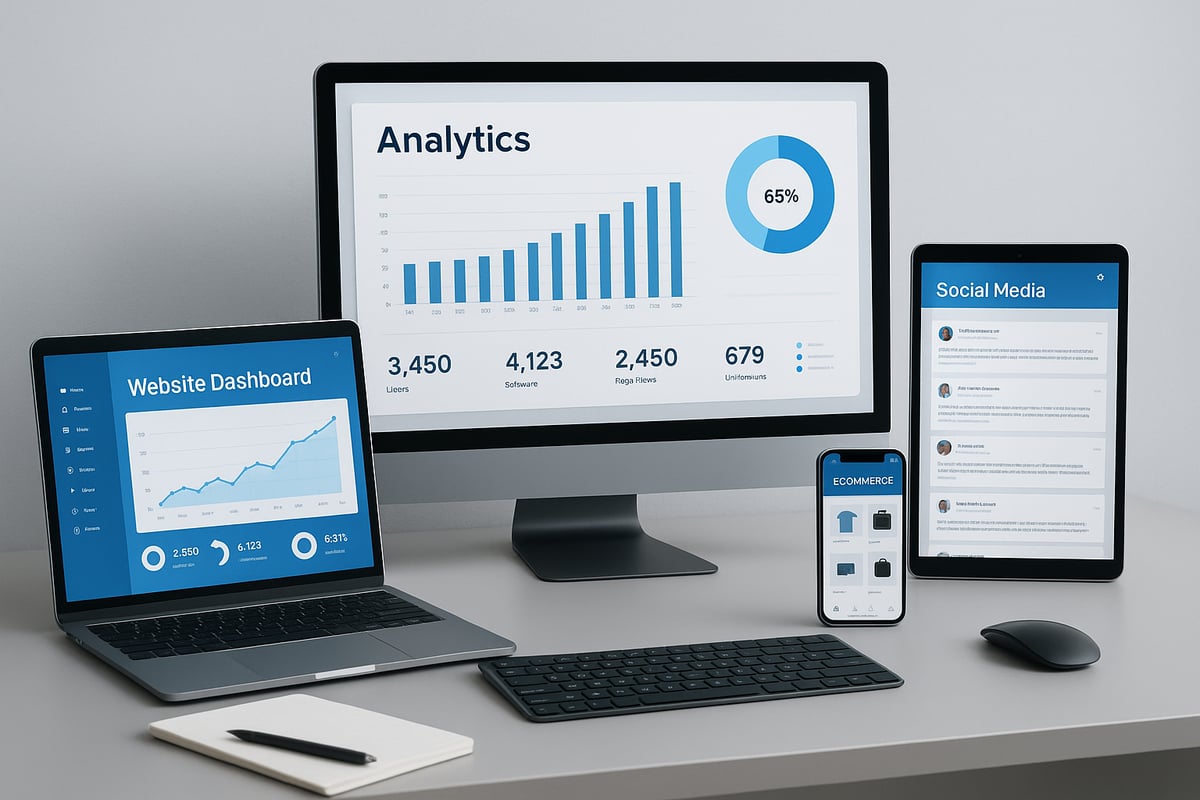
Modern website services are no longer limited to design and technical build. Essential integrations and add-ons are critical for creating a high-performing, user-centric digital presence. By combining core website services with powerful integrations, businesses can drive engagement, streamline operations, and stay ahead in a fast-evolving landscape.
Social Media Integration
Social media integration is fundamental to effective website services, connecting your site with the platforms your audience uses daily. Embedding live feeds, adding sharing buttons, and integrating login options can boost engagement and extend your brand’s reach.
- Embed Instagram, Facebook, or X feeds for dynamic content.
- Use sharing tools to encourage users to spread your message.
- Leverage social proof with customer testimonials and user-generated content.
As voice search becomes more prevalent, social integration strategies must also consider voice search optimization to ensure content is discoverable in new ways. For example, retailers have seen sales surge by linking Instagram feeds directly to product pages, making purchases seamless and interactive.
Analytics and Performance Tracking
Robust analytics are a cornerstone of website services, enabling data-driven decisions and continuous improvement. Setting up Google Analytics 4 and Search Console is essential for tracking site performance and user behaviour.
- Heatmaps reveal how visitors interact with key pages.
- Conversion funnels highlight drop-off points and opportunities.
- User journey mapping uncovers optimisation areas.
Regularly reviewing analytics helps businesses refine campaigns and improve conversion rates. For instance, many have achieved higher engagement by tweaking landing pages based on heatmap insights, directly increasing ROI from their website services.
E-Mail Marketing and CRM Integration
Integrating e-mail marketing and CRM tools is vital for nurturing leads and driving repeat business. Website services now include seamless connections to platforms like Mailchimp, HubSpot, and Salesforce.
- Add sign-up forms to capture visitor interest.
- Automate welcome sequences and customer journeys.
- Segment audiences for targeted messaging.
Automated workflows save time and ensure no lead is missed. Businesses that integrate e-mail and CRM with their website services report stronger customer retention and increased upselling, thanks to personalised, timely communication.
Booking, E-Commerce, and Payment Systems
Website services for service providers and retailers increasingly require booking, e-commerce, and secure payment integrations. Online appointment systems, shopping carts, and payment gateways streamline transactions for customers.
- Enable real-time appointment scheduling.
- Integrate Stripe, PayPal, or Apple Pay for secure payments.
- Automate inventory and order management.
For example, a salon that added online booking and payment options saw bookings rise by 25 percent. Progressive Web Applications (PWAs) are also gaining popularity, offering app-like experiences directly in browsers for a seamless user journey.
Accessibility and Multilingual Features
Accessibility and multilingual capabilities are essential add-ons in comprehensive website services. Ensuring your site is usable by everyone and accessible in multiple languages expands your reach and demonstrates commitment to inclusivity.
- Install accessibility widgets for compliance and usability.
- Offer multi-language support to reach global audiences.
- Implement tools that help meet WCAG 2.2 standards.
According to the ONS, 15 percent of the UK population has a disability, so inclusive design is not just a legal requirement but a business opportunity. Businesses with accessible websites often see broader customer engagement and loyalty, making these features a smart investment for all modern website services.
Choosing the Right Website Service Provider
Selecting the right partner for your website services is a pivotal decision that shapes your business’s digital future. With the evolving landscape in 2026, making an informed choice ensures your website drives growth, supports your goals, and stands out in a crowded online space.
Key Criteria for Selection
When choosing a provider for website services, start by assessing their expertise, portfolio, and reputation. A strong track record with similar projects demonstrates the ability to deliver results. Review client testimonials and case studies for insight into reliability.
Next, evaluate the range of website services offered. Providers who deliver design, development, SEO, support, and maintenance under one roof save you time and streamline communication. Investigate their pricing models and check for transparency in contracts and service level agreements (SLAs).
Support quality is essential. Providers like those offering WordPress website support can ensure your site remains secure and up to date. Effective communication, clear timelines, and proactive updates are indicators of a trustworthy partner.
Questions to Ask Potential Providers
Before committing, prepare key questions to uncover the depth of service:
- What is your step-by-step process for delivering website services?
- How do you ensure websites are optimised for SEO and performance?
- What post-launch support and training do you include?
- Can you share examples of successful projects similar to ours?
Using a provider comparison checklist helps clarify how each candidate aligns with your business needs. Don’t hesitate to request a breakdown of deliverables, timelines, and escalation procedures for support issues.
A proactive approach to these questions reveals a provider’s commitment to your long-term success.
Comparing Agencies, Freelancers, and DIY Platforms
Understanding the strengths and weaknesses of different website services options is vital. The table below summarises the key differences:
| Provider Type | Pros | Cons |
|---|---|---|
| Agency | Full team expertise, scalable, ongoing support | Higher cost, less personal |
| Freelancer | Cost-effective, flexible, direct contact | Limited capacity, variable reliability |
| DIY Platform | Fast setup, low upfront cost, control | Limited customisation, support may be basic |
SMEs often weigh the need for tailored website services against budget and scalability. While agencies bring comprehensive support, freelancers offer agility, and DIY options provide control for those with technical confidence.
Red Flags and Common Pitfalls
Choosing a provider for website services without due diligence can lead to costly mistakes. Watch for these warning signs:
- Lack of transparency in pricing or scope
- Poor communication or slow response times
- Generic proposals not tailored to your business
- Unclear post-launch support
Opting for the lowest price or rushing a decision may result in a website that fails to meet your objectives. One common pitfall is neglecting ongoing optimisation, which can be avoided by reviewing website redesign strategies and insisting on continuous improvement. Real-world cases show that poor redesigns often lead to lost traffic and diminished brand trust.
Making the Final Decision
Align your choice of website services provider with your business goals and long-term vision. Look for partners who view the relationship as an ongoing collaboration, not just a one-off project.
Use an onboarding checklist to ensure clarity on goals, deliverables, and communication channels from day one. A successful partnership is built on trust, transparency, and measurable outcomes.
Case studies highlight that businesses with strong agency relationships consistently achieve higher returns from their website services. Take the time to compare, question, and verify before signing on, setting your business up for digital success in 2026.
Future-Proofing Your Website: Trends and Innovations for 2026
Staying ahead in the digital landscape means embracing innovation and adapting to evolving website services. In 2026, businesses must leverage emerging trends to ensure their online presence remains effective, secure, and engaging. Let us explore the most impactful developments shaping the future of website services.
AI and Automation in Website Services
Artificial intelligence is transforming website services by streamlining design, content, and customer support. AI-powered design tools can generate layouts and suggest improvements in real time, reducing development cycles. Automated chatbots are now handling routine queries efficiently, freeing up human resources for complex tasks. Many businesses are adopting AI-driven personalisation, tailoring content to individual users and boosting engagement. For example, a retailer that implemented an AI chatbot saw support tickets drop by 30 percent, demonstrating how automation increases efficiency. Embracing these AI trends in website services will help future-proof your business and enhance user satisfaction.
Voice Search and Conversational Interfaces
Voice search is rapidly changing how users interact with website services. With the popularity of smart speakers and voice assistants, optimising content for natural language queries is critical. Conversational interfaces create more intuitive and accessible experiences, allowing users to find information or complete transactions hands-free. By 2026, it is projected that half of all searches will be voice-based, making voice optimisation a priority for website services. Businesses should focus on conversational UX design, structured data, and long-tail keywords to ensure their sites are discoverable and user-friendly in this new era.
Advanced Security and Privacy Measures
The evolution of website services brings heightened expectations for security and privacy. Next-generation encryption, biometric authentication, and privacy-first design are now standard requirements. Businesses must comply with stricter regulations, such as updated GDPR guidelines and data minimisation practices. Implementing HTTPS, firewalls, and intrusion detection systems is essential to protect user data and maintain trust. For example, an e-commerce site adopting biometric login not only improved security but also enhanced user experience. Investing in robust security within your website services is crucial for safeguarding your reputation and customer loyalty.
Sustainable Web Design and Green Hosting
Sustainability is now a core consideration in website services. Eco-friendly hosting providers, carbon offsetting, and efficient coding practices are gaining traction as businesses strive to reduce their digital footprint. Consumers increasingly prefer brands with strong green credentials. Choosing green hosting and optimising images for lower energy use can make a measurable difference. For a deeper look at these practices, explore Sustainable web design. By integrating sustainability into your website services, you not only help the environment but also appeal to eco-conscious customers.
Immersive Experiences: AR, VR, and Interactive Features
Website services are evolving to deliver more immersive and interactive experiences. Augmented reality product previews, virtual tours, and micro-interactions engage visitors in new ways. For instance, a furniture retailer utilising AR previews saw an increase in sales as customers could visualise products in their own space. Interactive animations and personalised journeys keep users engaged and encourage longer site visits. As these technologies become more accessible, integrating AR and VR features into website services will set businesses apart in a competitive market.
Personalisation and Customer Experience
Modern website services prioritise personalisation to create meaningful customer experiences. Dynamic content, product recommendations, and tailored offers are driven by user behaviour and preferences. Businesses leveraging personalisation report higher conversion rates and stronger customer loyalty. One case study highlighted a retailer that increased repeat purchases by adapting content and promotions to individual users. By embedding personalisation into website services, you can nurture lasting relationships and drive sustained growth for your business.
Preparing for the Next Wave of Website Innovation
To future-proof your business, continuous learning and adaptability are vital in website services. Investing in scalable, upgrade-ready platforms ensures your website can evolve with new technologies. Businesses should adopt a proactive approach, using analytics and customer feedback to guide improvements. Building a future-proof digital strategy involves regular reviews, embracing innovations such as progressive web applications, and staying informed about industry trends. By prioritising adaptability in your website services, you will be well-positioned to capitalise on the next wave of digital transformation.
Now that you've explored the essentials of modern website services, from bespoke design and SEO to the latest tech trends, you can see how much impact the right digital partner can make for your business. Whether you’re looking to boost your online presence, improve user experience, or future-proof your site, it’s all about making informed decisions that support your growth. If you’re ready to discuss your next steps or want expert guidance tailored to your goals, we’re here to help.
Get in touch
and let’s create a website that truly works for you in 2026 and beyond.