Digital advertising is evolving at breakneck speed, making it harder than ever for brands to stand out online in 2026. With budgets rising and competition intensifying, mastering pay per click ads has become crucial for success. This comprehensive guide delivers actionable strategies, from PPC basics and emerging trends to campaign setup, optimisation, and advanced tactics tailored for the modern marketer. Backed by the latest data on ad spend and ROI, you will discover how to stay ahead, maximise your results, and take charge of your paid advertising future.
Understanding Pay Per Click (PPC) Advertising in 2026
The landscape of pay per click ads is transforming rapidly as we approach 2026. Businesses are navigating more sophisticated platforms, advanced targeting, and evolving user behaviours. This section explores what PPC means today, the platforms and opportunities available, why it is mission-critical for businesses, and the key metrics every marketer must master.

What is PPC and How Has It Evolved?
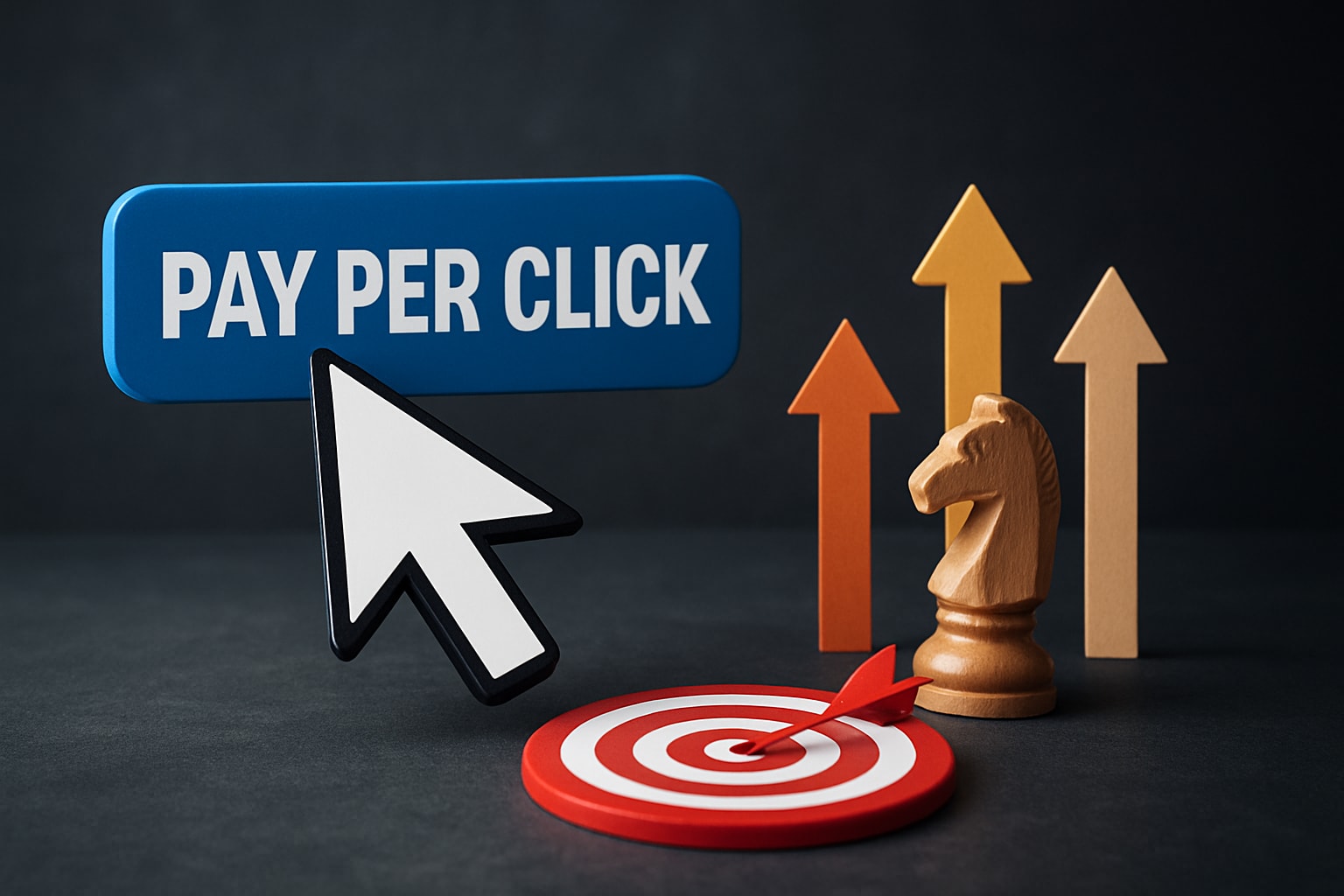
Pay per click ads are a cornerstone of digital marketing, allowing advertisers to place their message in front of targeted audiences and only pay when a user clicks their ad. Key platforms include Google Ads, Microsoft Advertising, and social media networks, each offering unique reach and targeting options.
The evolution of pay per click ads has been driven by automation and AI. Modern campaigns benefit from AI-driven bidding strategies and advanced audience segmentation, making manual adjustments less common. According to Global PPC spend projections, worldwide investment in PPC is expected to surpass £200 billion in 2026, reflecting its immense value.
| Year | Bidding Method | Typical Outcome |
|---|---|---|
| 2023 | Manual/Rule-based | Slower, less precise |
| 2026 | Automated/AI-driven | Faster, optimised |
Automation ensures that pay per click ads are reaching the right people at optimal costs, maximising efficiency for marketers.
The Current PPC Landscape: Platforms and Opportunities
The pay per click ads ecosystem is more diverse than ever. While Google Ads and Microsoft Advertising remain dominant, alternative platforms such as TikTok Ads, Amazon Ads, and LinkedIn Ads are rapidly gaining ground. Each channel offers distinctive audience segments and creative formats.
Mobile-first and video ad formats now command a significant share of advertising budgets. Trends like voice search advertising, shopping ads, and local service ads are shaping how brands reach consumers. For example, a retail brand that expanded from traditional search campaigns to include TikTok and Amazon Ads saw a notable increase in ROI, demonstrating the power of a multi-channel approach.
For marketers, understanding the strengths and limitations of each platform is crucial to crafting successful pay per click ads strategies.
Why PPC is Essential for Businesses in 2026
Pay per click ads deliver immediate, measurable results, making them indispensable for businesses seeking growth and competitive edge. PPC integrates seamlessly with SEO, content marketing, and social media, creating a holistic digital strategy.
High-intent audience targeting and robust conversion tracking are key advantages. Notably, 65% of SMEs plan to increase their PPC budgets in 2026, underlining its value for both large and small enterprises. Local service businesses, for instance, use pay per click ads to drive qualified leads directly to their booking forms, ensuring a steady pipeline of customers.
With the right setup, PPC allows marketers to adapt quickly to market changes and consumer demand.
Key Metrics and Terminology Every Marketer Should Know
To succeed with pay per click ads, marketers must be fluent in essential metrics and terminology. Key terms include:
- CTR (Click-Through Rate)
- CPC (Cost Per Click)
- CPA (Cost Per Acquisition)
- ROAS (Return On Ad Spend)
- Quality Score
- Impression Share
Tracking conversion events and understanding attribution models are critical for evaluating campaign performance. In 2026, the average CPC varies by industry, but real-time analytics platforms make it easier to monitor and optimise results.
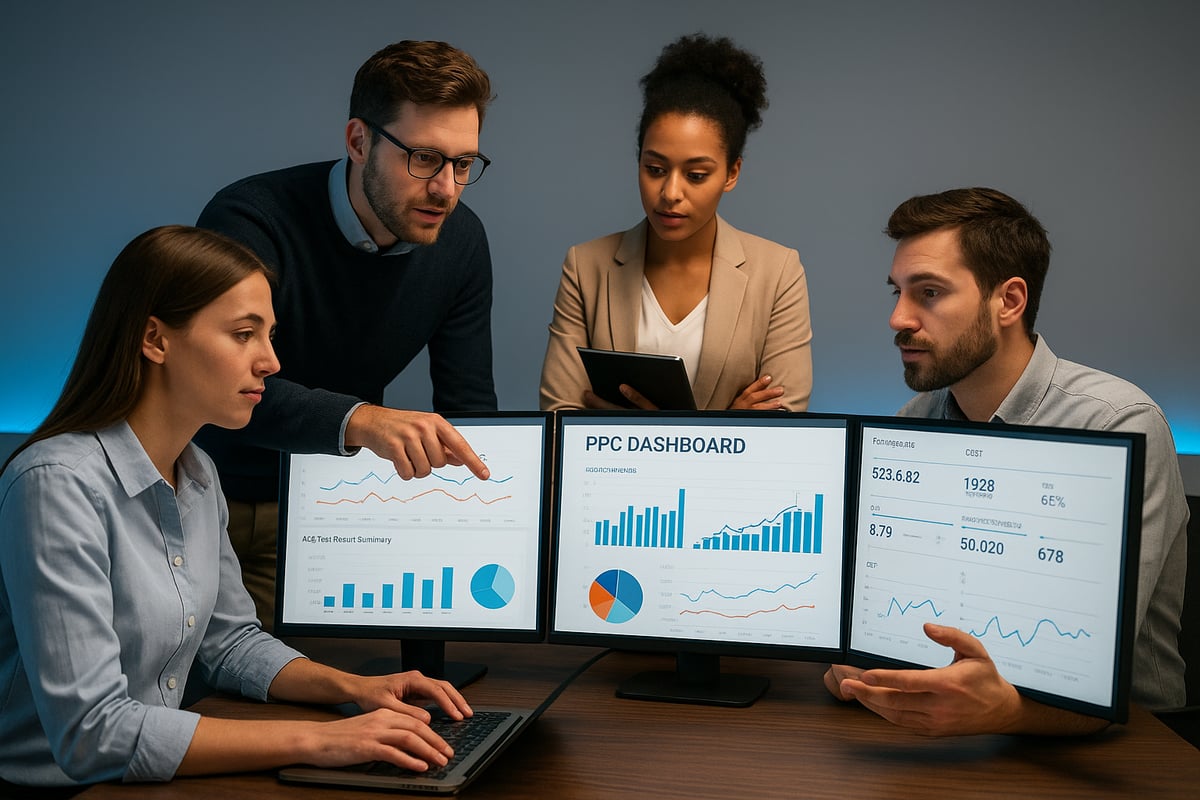
A typical PPC dashboard snapshot might include graphs for CTR trends, conversion rates, and budget pacing, enabling teams to make data-driven decisions that boost ROI.
Step-by-Step: Setting Up a High-Performing PPC Campaign
Launching successful pay per click ads in 2026 requires a structured, data-driven approach. Each phase, from planning objectives to analytics, plays a distinct role in campaign performance. Let us break down the process, guiding you through each crucial step to ensure your pay per click ads deliver measurable results.

Defining Clear Campaign Objectives and KPIs
Begin by aligning your pay per click ads campaign with your business goals. Are you aiming for direct sales, lead generation, app downloads, or brand awareness? Clear objectives allow for targeted strategy and accurate performance measurement.
Set SMART KPIs: Specific, Measurable, Achievable, Relevant, and Time-bound. For example, an e-commerce brand might prioritise Return on Ad Spend (ROAS) as a core metric, while a service provider may focus on cost per lead. Use a table to clarify objectives and KPIs:
| Business Type | Objective | Key KPI |
|---|---|---|
| E-commerce | Sales | ROAS |
| Local Services | Leads | Cost per Lead |
| App Developer | Installs | CPA |
Regularly revisit these KPIs to keep your pay per click ads on track.
Audience Research and Targeting in 2026
To maximise returns on pay per click ads, leverage advanced audience insights. AI-powered segmentation tools now offer deep analysis of customer behaviour and preferences, making targeting more precise than ever.
First-party data, gathered ethically and in compliance with privacy regulations, strengthens targeting accuracy. Use lookalike audiences to reach new users similar to your best customers, and intent-based targeting to capture those most likely to convert.
For B2B campaigns, focus on job roles and company size, while B2C strategies might prioritise demographics and interests. Continually refine your audience profiles to keep your pay per click ads relevant and effective.
Keyword Research and Selection: Tools and Techniques
Effective pay per click ads rely on strong keyword strategies. In 2026, AI-powered platforms simplify keyword discovery, predicting trends and search intent. Combine long-tail keywords for niche targeting with short-tail keywords for broader reach.
Do not overlook negative keywords, which block irrelevant traffic and protect your budget. For niche markets, Google’s Keyword Planner remains a staple. Tools now integrate AI for real-time suggestions and competitor insights. For a deeper dive into automation and keyword optimisation, explore AI in PPC campaign management.
Test and refine your keyword lists to ensure your pay per click ads attract the right audience.
Crafting Compelling Ad Copy and Creative Assets
Ad copy is the voice of your pay per click ads. To stand out in 2026, write headlines and descriptions that are clear, direct, and enticing. Dynamic keyword insertion personalises ads to each search, improving relevance.
Visual trends dominate: video, carousel, and interactive formats engage users and boost click-through rates. Always split-test new creatives against your best performers to optimise results.
For instance, a retailer might test two headlines: “Shop Spring Deals Today” versus “Exclusive Offers for You.” Track which version improves your pay per click ads’ CTR and scale the winner.
Setting Budgets, Bids, and Scheduling
Budgeting is foundational for pay per click ads success. Set daily or monthly limits based on your objectives and historical performance. In 2026, automated bidding strategies use AI to optimise spend, adjusting bids in real time for the best results.
Manual bidding still has its place for campaigns that require fine control. Schedule your ads to appear during peak hours—known as dayparting—for maximum impact. For example, a retailer may increase bids during lunchtime and evenings when shopping activity peaks.
Monitor and adjust your pay per click ads budget regularly to capture every opportunity.
Conversion Tracking and Analytics Setup
Robust analytics are the backbone of pay per click ads optimisation. Implement tracking pixels and set up key conversion events to measure what matters: sales, leads, or app installs.
Integrate your campaigns with Google Analytics 4 or equivalent platforms to gain a holistic view of user journeys. Choose the attribution model—data-driven, last-click, or linear—that best matches your sales cycle.
For multi-channel campaigns, ensure all touchpoints are tracked. Use custom dashboards for real-time insights, and regularly review performance data to refine your pay per click ads for continuous improvement.
Optimisation Strategies for Maximum ROI
Optimising pay per click ads is crucial for maximising returns in 2026. With more competition and evolving technologies, advertisers must adopt robust strategies to stay ahead. This section explores the most effective tactics for continuous improvement and sustainable growth.
Continuous A/B Testing and Experimentation
Ongoing A/B testing is fundamental for improving the effectiveness of pay per click ads. By systematically comparing different ad variations, landing pages, and calls to action, marketers can identify what resonates best with their audience.
Modern tools automate split-testing, enabling faster cycles and more reliable results. For example, testing two headlines over a month may reveal a significant uplift in click-through rate. Interpreting these results helps inform future creative strategies.
Key steps include:
- Setting clear test hypotheses
- Running tests long enough for statistical significance
- Analysing data for actionable insights
Consistent experimentation ensures your pay per click ads evolve with changing consumer preferences.
Leveraging Automation and AI in PPC
The integration of automation and AI has transformed how brands manage pay per click ads. AI-driven bid management, budget allocation, and predictive analytics streamline campaign optimisation, reducing manual effort and human error.
Advertisers can set automated rules to pause underperforming ads or adjust bids in real time. Predictive tools also help uncover new audience segments and keywords. According to industry experts, AI reduces cost per acquisition and increases efficiency.
To explore the central role of AI in optimisation, see AI-driven PPC optimization. Leveraging these advancements ensures your pay per click ads remain competitive in a dynamic marketplace.
Quality Score Optimisation and Ad Relevance
A high Quality Score directly impacts the cost and visibility of your pay per click ads. Google evaluates factors like ad relevance, landing page experience, and expected click-through rate. Improving these elements can lower your cost per click and improve ad position.
To boost Quality Score:
- Match ad copy closely to keywords
- Ensure landing pages are fast and relevant
- Monitor and enhance expected CTR
Data shows a strong correlation between high Quality Scores and reduced advertising costs. For service-based campaigns, focusing on relevance can make your pay per click ads more effective and budget-friendly.
Landing Page Optimisation for Higher Conversions
Landing page quality is a critical determinant of pay per click ads success. Key elements include page speed, mobile responsiveness, and persuasive copy tailored to the ad’s intent.
A/B testing different layouts and forms helps identify what drives conversions. Personalising content based on ad targeting further increases engagement. For example, a landing page redesign focused on mobile users can significantly boost conversion rates.
Regularly reviewing analytics and user feedback ensures your landing pages support the goals of your pay per click ads, maximising return on investment.
Managing Negative Keywords and Wasted Spend
Effective negative keyword management prevents your pay per click ads from appearing for irrelevant searches. By continuously identifying and excluding non-converting terms, you protect your budget and improve ROI.
Practical steps include:
- Reviewing search term reports for irrelevant queries
- Adding negative keywords to campaigns
- Using automated tools for ongoing discovery
Example negative keyword list in code format:
free
jobs
cheap
how to
Reducing wasted spend by 20 percent is achievable with diligent negative keyword practices, ensuring your pay per click ads target only valuable traffic.
Analysing and Acting on Performance Data
Data-driven decision making is essential for optimising pay per click ads. Custom dashboards allow real-time monitoring of key metrics such as CTR, CPA, and ROAS. Setting up automated reports streamlines monthly reviews.
A typical PPC dashboard snapshot includes:
| Metric | Target | Actual |
|---|---|---|
| CTR | 5% | 5.3% |
| CPA | £25 | £23 |
| ROAS | 400% | 420% |
Regular analysis helps marketers adjust campaigns promptly, ensuring ongoing improvement. Making informed changes based on data keeps your pay per click ads performing at their best.
Advanced PPC Tactics and Trends for 2026
Staying ahead in the world of pay per click ads means embracing the latest tactics and trends that are shaping the industry in 2026. As digital privacy, automation, and new ad formats transform the landscape, marketers need to adapt quickly. This section explores the advanced strategies every brand should master to keep their PPC campaigns effective and future-ready.
Harnessing First-Party Data and Privacy-First Targeting
With evolving data privacy regulations like GDPR and ePrivacy, pay per click ads now rely more on first-party data than ever before. Marketers are collecting data directly from their audiences through CRM systems, loyalty programmes, and website interactions.
To remain compliant, brands use privacy-first segmentation tools that ensure ethical data use. For example, integrating customer data into PPC platforms enables highly personalised campaigns without violating privacy laws.
Consider these steps for privacy-first PPC:
- Audit your data collection methods and ensure consent is explicit
- Use encrypted storage and privacy-compliant tools
- Segment audiences based on behaviour, not invasive tracking
Integrating privacy with pay per click ads not only builds trust but also sharpens targeting for improved results. For more on holistic strategies, see Digital network marketing strategies.
Video, Voice, and Interactive Ad Formats
Video continues to dominate pay per click ads in 2026, with brands leveraging short clips, live streams, and shoppable content. Voice search advertising is also on the rise, requiring brands to rethink keyword strategies for spoken queries.
Interactive ads, such as polls, quizzes, and AR experiences, drive deeper engagement. According to HubSpot, video ads now achieve twice the engagement of static formats.
Types of interactive PPC ads:
- Shoppable video ads on ecommerce platforms
- AR try-on experiences for retail
- Voice-activated ads on smart speakers
Brands that innovate with these formats see higher click-through and conversion rates, making creative assets a cornerstone of pay per click ads success.
Omnichannel PPC and Cross-Platform Integration
In 2026, managing pay per click ads across multiple platforms is essential. Marketers run campaigns on Google, Facebook, TikTok, Amazon, and LinkedIn, creating unified brand experiences for users.
Omnichannel strategies require robust reporting and attribution tools to track performance across channels. The challenge lies in synchronising messaging and optimising budgets for maximum ROI.
Example: A retailer integrates search and social PPC, guiding customers from discovery on TikTok to purchase on Google. For more on the convergence of SEO and PPC, explore 2024 SEO trends and PPC.
Omnichannel pay per click ads ensure brands meet customers wherever they are, delivering consistent, high-impact results.
Smart Automation: AI-Driven Bidding and Creative Optimisation
Artificial intelligence now powers much of the optimisation behind pay per click ads. AI-driven tools automate bidding, budget allocation, and even creative testing, freeing marketers to focus on strategy.
Benefits of AI in PPC include:
- Real-time bid adjustments for cost efficiency
- Automated audience expansion and lookalike modelling
- Dynamic creative optimisation for higher conversions
For example, using AI to test and adapt ad creatives in real time can significantly increase conversion rates. In fact, 70% of top advertisers now rely on AI-driven optimisation for their pay per click ads.
Local and Hyperlocal PPC Strategies
Local targeting has become a defining feature of successful pay per click ads. Brands can now target users by postcode, city, or even neighbourhood, making campaigns highly relevant.
Tactics for hyperlocal PPC:
- Use local service ads and map integrations for visibility
- Schedule ads during peak hours for local audiences
- Customise ad copy with city or neighbourhood names
According to Google, 78% of mobile local searches result in offline purchases. Hyperlocal pay per click ads are particularly powerful for trades and service businesses looking to boost leads in specific areas.
Measuring Incrementality and True Campaign Impact
Understanding the true value of pay per click ads goes beyond basic attribution. Incrementality measurement helps brands see what conversions are genuinely driven by PPC, rather than those that would have happened anyway.
Methods for measuring incrementality:
- Geo-lift tests: Compare regions with and without PPC exposure
- Audience split testing: Isolate groups to assess impact
This advanced analysis enables marketers to prove the real impact of their campaigns and refine strategies for sustained growth. Ultimately, incrementality ensures that every pound spent on pay per click ads delivers measurable, incremental value.
Future-Proofing Your PPC Strategy: Preparing for What’s Next
Predicting the Next Wave of PPC Innovation
Looking ahead, pay per click ads will be shaped by rapid advancements in AI and machine learning. These technologies are driving smarter automation, from bid management to creative testing, making campaigns more adaptive and efficient. Voice commerce and conversational ad formats are projected to become mainstream, with adoption rates climbing steadily into 2026.
Mobile continues to dominate, with a growing share of PPC clicks originating from smartphones and tablets. Staying informed about mobile devices and PPC clicks is vital for advertisers seeking to capture the on-the-go audience. Early adopters of emerging formats and AI-driven tools will secure a clear advantage.
Adapting to Regulatory Changes and Data Privacy
As privacy regulations such as GDPR and ePrivacy evolve, the landscape for pay per click ads is shifting. Brands must prepare for a cookie-less future by embracing privacy-first strategies and contextual targeting. This means collecting and utilising first-party data ethically, while respecting user consent at every stage.
Practical steps include updating consent management platforms and investing in solutions that enable privacy-compliant audience segmentation. Adapting quickly to regulatory changes is essential for minimising risk and maintaining audience trust. Brands that pivot successfully will remain competitive and resilient in the face of stricter data laws.
Investing in Creative and Brand Storytelling
In a crowded digital space, creative excellence and storytelling set pay per click ads apart. Strong narratives not only capture attention but also drive higher engagement and conversions. Data shows that ads with compelling stories see up to 30 percent more engagement, making creativity a measurable asset.
E-commerce brands, for example, have boosted conversions by weaving their brand story into ad copy and visuals. Investing in high-quality creative, from video ads to interactive formats, ensures your campaigns resonate with audiences. Prioritising storytelling fosters loyalty and positions your brand for long-term success.
Building In-House Skills vs. Partnering with Agencies
When managing pay per click ads, businesses face the choice between building in-house expertise or collaborating with digital agencies. In-house teams offer greater control and deep brand understanding, but require ongoing investment in training and tools. Agencies, on the other hand, bring specialised knowledge, access to advanced platforms, and scalable support.
Small and medium-sized enterprises often scale their results by leveraging agency expertise, especially when entering new markets or platforms. The decision depends on internal resources, campaign complexity, and growth objectives. Consider your goals and evaluate partners carefully to maximise ROI.
Why Partner with a Digital Agency Like Ruff Idea for PPC Success?
Ruff Idea stands out for its expertise in pay per click ads campaign management, web design, and integrated digital marketing. By offering custom strategies and continuous optimisation, they help businesses achieve measurable growth. Clients benefit from transparent reporting and tailored support designed to fit unique needs.
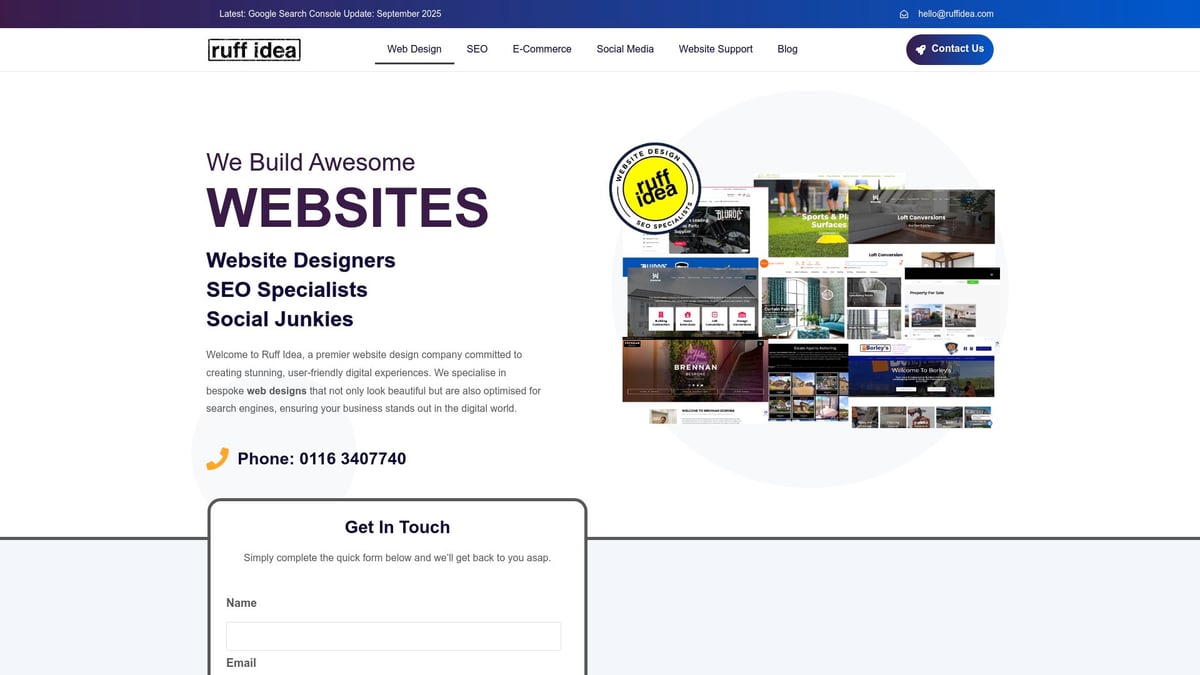
Real-world results show increased leads and sales for both local and e-commerce businesses. Ruff Idea supports companies in Leicester and across the UK, providing hands-on guidance for every stage of their PPC journey. For a personalised consultation, reach out to their team and unlock your campaign's full potential.
Continuous Learning and Staying Ahead of PPC Trends
Staying competitive with pay per click ads requires a commitment to continuous learning. The digital landscape evolves quickly, so ongoing education, industry certifications, and regular training are crucial. Marketers who keep up with the latest features and trends can implement innovative strategies ahead of their rivals.
Leverage resources like Google Skillshop, industry blogs, and webinars. Integrating social media management and PPC knowledge can broaden your approach and boost ROI. Build a culture of experimentation, data-driven decision making, and adaptability to future-proof your PPC efforts.
As you look to master PPC strategies for 2026, remember that your online success hinges on more than just knowing the latest tactics—it’s about creating a seamless experience that ties together effective ad campaigns, a visually engaging website, and ongoing optimisation. At Ruff Idea, we combine our expertise in PPC management, web design, and digital marketing to help businesses like yours not only stand out but consistently achieve measurable results. If you’re ready to take your paid advertising to the next level and want a tailored approach that truly works for your goals, Get in touch.