Securing your place in Google’s rankings for 2025 depends on one thing above all: earning high-quality backlinks. With Google doubling down on authority and trust, and new challenges like AI Overviews and E-E-A-T shaping search, the competition is fiercer than ever. Over 1.2 billion websites are online, with 250,000 new sites appearing daily.
That is why understanding how to get high quality backlinks is crucial for standing out, driving traffic, and building real brand authority. In this expert guide, you will discover what makes a backlink valuable, cutting-edge acquisition techniques, step-by-step outreach strategies, and the most common mistakes to avoid.
Understanding High-Quality Backlinks in 2025
Backlinks remain a core factor in SEO, but what makes a backlink truly valuable in 2025? The answer is more complex than ever, shaped by Google’s E-E-A-T focus and evolving algorithms. To master how to get high quality backlinks, it’s essential to understand the modern standards defining backlink value and impact.
What Defines a High-Quality Backlink?
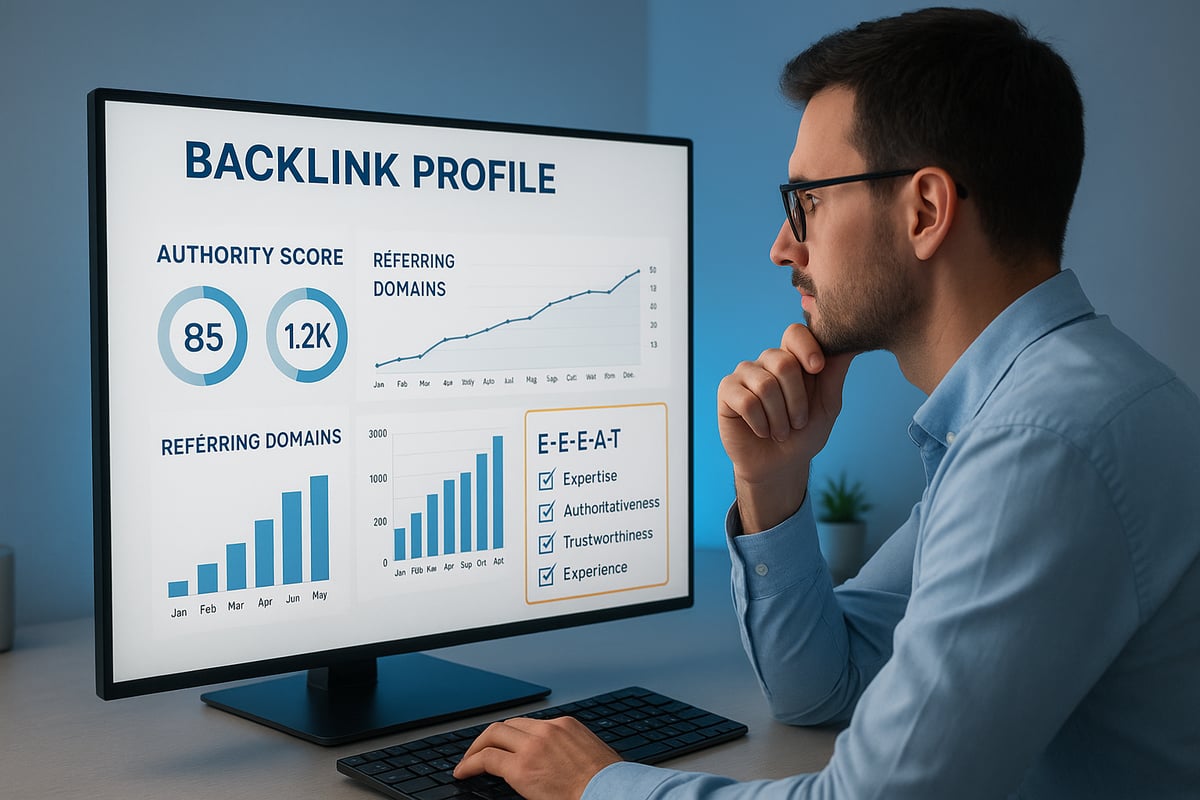
A high-quality backlink in 2025 is defined by several key factors. First, authority matters—links from trusted, topically relevant websites carry more weight. Relevance is critical, as Google values links that align closely with your site’s niche. In-content placements, rather than footers or sidebars, offer greater SEO benefit.
Anchor text should be natural, descriptive, and varied, avoiding patterns that look manipulative. Diversity is also essential, with backlinks from a range of domains rather than a single source. For example, Notion’s backlink profile includes 13,300 unique referring domains and an Authority Score of 73.
Most importantly, Google’s E-E-A-T guidelines highlight experience, expertise, authoritativeness, and trustworthiness as critical ranking signals. Anyone learning how to get high quality backlinks must prioritise these factors.
Why Quality Matters More Than Quantity
In today’s competitive landscape, a single authoritative backlink is often more valuable than dozens of low-quality links. Google and AI-powered search overviews increasingly prioritise authority and trust signals, not just raw link volume.
Excessive low-quality backlinks can trigger penalties or waste your SEO budget. For example, Notion’s 1.2 million backlinks from over 15,000 domains have more SEO impact than a similar volume from weak sources. Bumble, with 44,000 backlinks from 3,000+ domains and a high Authority Score, also succeeds by focusing on quality.
Understanding how to get high quality backlinks means aiming for links that build real authority, not just numbers.
Key Elements Search Engines Value in Backlinks
Search engines analyse several elements when evaluating backlinks. Topical relevance, site authority, placement within the content, anchor text variety, and link source diversity are all crucial. The surrounding content and engagement metrics further influence link value.
Social signals and organic traffic also act as secondary trust indicators. For instance, links from university or government sites are considered especially authoritative. SEO tools like Moz, Ahrefs, and Semrush are essential for checking authority and monitoring your link profile.
If you want to master how to get high quality backlinks, focus on these elements to ensure your link-building efforts are aligned with what search engines value most.
Common Backlink Myths Debunked
Several myths persist around backlinks. The idea that any backlink is good is false—relevance and authority are essential. More links do not always mean better results; quality trumps quantity.
Footer or sidebar links rarely deliver the same value as in-content links. Relying on exact-match anchor text for every link can lead to penalties, as variety is key. Google’s ongoing updates specifically target manipulative link schemes, making it vital to follow best practices.
Anyone serious about how to get high quality backlinks should focus on genuine relationships, natural placements, and providing real value to users.
Step-by-Step: How to Get High Quality Backlinks in 2025
Building a strong backlink profile in 2025 requires a modern, strategic approach. Here is a step-by-step guide on how to get high quality backlinks that drive authority, rankings, and long-term growth.
Step 1: Identify Link Opportunities with Research
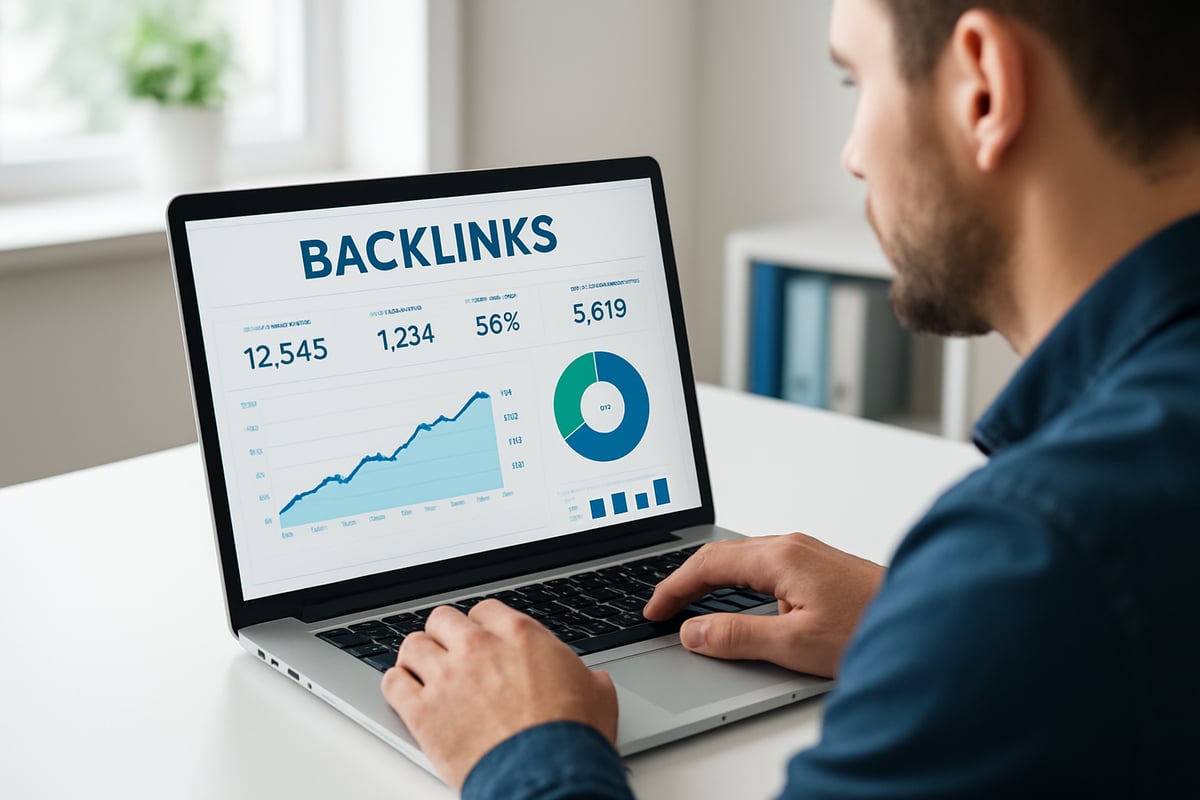
The first step in how to get high quality backlinks is thorough research. Use advanced tools like Ahrefs, Semrush, and Google Alerts to uncover unlinked brand mentions and analyse competitor backlink profiles. Target websites that are both authoritative and have strong topical relevance to your niche.
By examining what works for competitors and spotting gaps, you can discover valuable opportunities. For instance, Varn’s use of unlinked mention reclamation has delivered quick wins. Staying ahead of trends is essential, so reviewing resources such as 2024 SEO trends and strategies can provide additional context for your research.
Step 2: Create Link-Worthy “10x” Content
To master how to get high quality backlinks, focus on creating “10x” content—resources that are ten times better than anything else available. Develop comprehensive guides, original research, and evergreen resources that add value for your audience.
Incorporate infographics, data visualisations, or interactive tools to make your content easy to share and link to. Notion’s evergreen articles and viral features are prime examples of link magnets. Bumble’s “The Buzz” content hub also attracts backlinks by delivering shareable, authoritative articles tailored to user needs.
Step 3: Outreach and Relationship Building
A crucial aspect of how to get high quality backlinks is personalising your outreach. Contact site owners and editors with tailored emails, offering genuine value such as guest posts, expert insights, or contributions to their resources.
Strong relationships with journalists, bloggers, and industry partners can open doors to high-value backlinks. Notion’s CEO, for example, has secured links through podcast partnerships. Track your outreach success rates and refine your approach to build lasting connections.
Step 4: Leverage Broken Link Building and Link Reclamation
Broken link building remains a powerful technique in how to get high quality backlinks. Identify broken links on respected sites within your industry, then suggest your content as a suitable replacement. Tools like Check My Links, Broken Link Checker, or Ahrefs can speed up this process.
Approach webmasters with a helpful mindset, highlighting the value your resource adds. Varn’s strategy of targeting both competitor and their own site’s broken links has proven effective for securing quality placements.
Step 5: Diversify Your Link Profile
A diverse link profile is vital for how to get high quality backlinks. Seek links from various sources—blogs, news sites, directories, educational institutions, and industry-specific platforms. Vary your anchor text, using branded, long-tail, generic, and natural phrases to avoid patterns that could trigger search engine filters.
Both Notion and Bumble benefit from diverse referring domains, which helps maintain a natural, trustworthy backlink profile. Focus on steady, organic link growth rather than quick fixes.
Step 6: Monitor, Analyse, and Refine Backlink Strategies
Continuous monitoring is essential in how to get high quality backlinks that stand the test of time. Regularly audit your backlink profile for quality and relevance using tools like Ahrefs, Semrush, or Moz. Promptly disavow toxic or spammy links to protect your site’s authority.
Track the impact of your efforts on rankings, traffic, and authority scores. Adjust your strategy based on performance data and the latest algorithm updates to stay ahead in the competitive SEO landscape.
Optimising Backlink Placement and Anchor Text for Maximum SEO Impact
Optimising how to get high quality backlinks goes beyond simply earning them. Placement within content, anchor text strategies, topical alignment, and ongoing evaluation all determine their SEO value. In this section, you will learn the best practices for maximising the impact of each backlink you acquire.
Best Practices for Link Placement
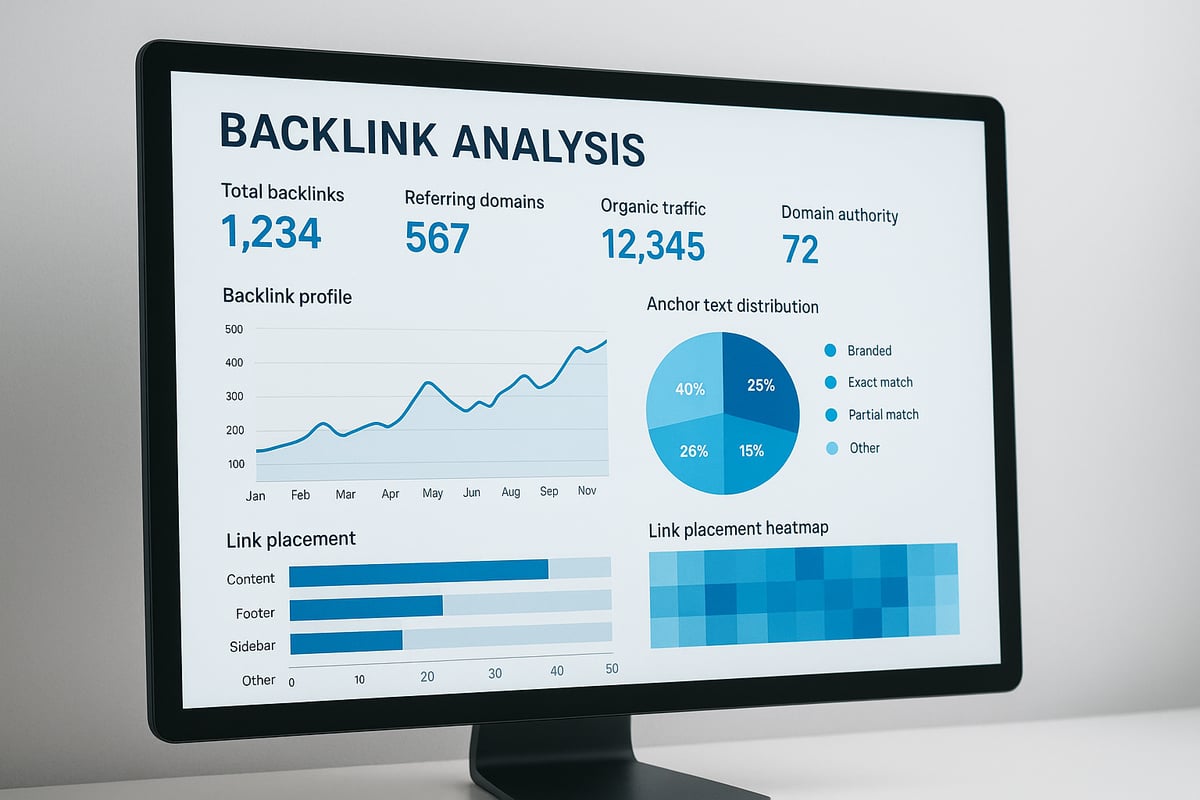
Where your backlinks appear on a page is crucial for how to get high quality backlinks that drive SEO results. In-content links, placed within the main body of articles, are significantly more valuable than those hidden in sidebars or footers. Search engines give greater weight to links surrounded by relevant, meaningful text.
For maximum impact, aim for link placement between 20% and 50% into the content. This position not only attracts more user engagement but also ensures search engines view the link as integral to the topic. Avoid placing links in hidden sections or using manipulative tactics, as Google’s algorithm now evaluates context and surrounding keywords more rigorously. For deeper insights, see How Google’s content algorithm update impacts rankings.
Anchor Text Optimisation Strategies
Anchor text is a vital factor in how to get high quality backlinks that actually boost your rankings. Use descriptive, relevant anchor text—ideally two to five words—that fits naturally within the sentence. Strive for a mix of branded, long-tail, and generic phrases to avoid patterns that might signal manipulation.
Never overuse exact-match anchors. Instead, prioritise user experience and readability. For example, "best project management software" is more valuable and natural than simply "click here." Regularly review your anchor text distribution to ensure you are supporting both SEO performance and compliance with Google’s guidelines.
How to Ensure Topical Relevance for Backlinks
Topical relevance is a cornerstone of how to get high quality backlinks in 2025. Only acquire links from sites and pages closely related to your industry or niche. Contextual alignment increases trust and authority signals, making your backlink profile stronger and more resilient to algorithm updates.
For instance, a SaaS company benefits more from a tech blog backlink than from an unrelated lifestyle site. Use topical clusters and content silos to reinforce relevance, and monitor each backlink’s context using reputable SEO tools. This approach keeps your link profile focused, authoritative, and highly valued by search engines.
Tools and Metrics for Evaluating Backlink Quality
To master how to get high quality backlinks, you must regularly assess the authority and relevance of your link sources. Use Moz Domain Authority, Ahrefs Domain Rating, and Semrush Authority Score to evaluate potential backlinks. Check for organic traffic, social engagement, and recent content updates to ensure the site is active and reputable.
Avoid sites with spammy profiles, low engagement, or declining traffic. For example, Notion’s Authority Score of 73 and active backlink profile set a benchmark for quality. Maintain an updated prospect list and use these metrics to guide your ongoing link acquisition and optimisation strategy.
Advanced Link Building Tactics for 2025
In 2025, advanced strategies are essential for anyone learning how to get high quality backlinks. As the SEO landscape grows more sophisticated, relying solely on traditional methods is not enough. Modern link building demands a blend of creativity, authority, and strategic outreach. Let us explore the most effective advanced tactics you can use to secure powerful backlinks and drive sustainable results.
Digital PR and Thought Leadership
For those wanting to master how to get high quality backlinks, digital PR and thought leadership are among the most impactful approaches. By positioning your brand as an industry authority, you attract links from reputable media, expert blogs, and influential websites.
Start by developing data-driven stories or offering expert commentary on trending topics. Build relationships with journalists and key influencers who cover your sector. This not only earns you valuable backlinks but also raises your brand’s profile.
Ensure your PR efforts align with the latest E-E-A-T optimization strategies, focusing on experience, expertise, authoritativeness, and trustworthiness. Consistently sharing unique insights or publishing industry reports increases your chances of being referenced by high-authority publications.
Image and Visual Asset Link Building
When considering how to get high quality backlinks, visual assets are a powerful tool. Infographics, charts, and original images are highly shareable and often cited by publishers, bringing in natural links.
Create high quality, data-rich visuals relevant to your niche. Share them on platforms like Flickr or Unsplash under Creative Commons licensing, encouraging others to use your work with proper attribution. Always include your brand or website in the image metadata and alt text.
Reach out to websites that use your visuals without linking back. Politely request a credit, which often results in a valuable backlink. Consistent creation and distribution of visual assets can establish your site as a go-to resource for industry information.
Partner and Client Collaboration for Mutual Backlinks
Another effective approach for how to get high quality backlinks is collaborating with partners and clients. Strategic alliances allow both parties to benefit from shared audiences and enhanced credibility.
Work with industry partners to co-author articles, case studies, or whitepapers. Cross-promote each other’s resources, events, and news updates. This not only generates backlinks but also strengthens business relationships.
Transparency is crucial. Ensure all collaborations add genuine value to both sides and avoid excessive reciprocal linking, which can raise red flags with search engines. Focus on building a diverse and natural link profile through meaningful partnerships.
Outreach for Link Placement and Guest Posting
Outreach remains a cornerstone for those seeking how to get high quality backlinks. Carefully targeted outreach can secure placements on authoritative blogs and publications within your industry.
Begin by identifying relevant sites that align with your niche. Craft personalised pitches offering guest posts, expert interviews, or in-depth guides. Highlight what makes your perspective unique or how your content fills a gap in their existing offering.
Track your outreach efforts to refine your approach over time. Building ongoing relationships with editors and contributors can lead to repeat opportunities for high quality links, amplifying your site’s authority and reach.
Utilising Unlinked Brand Mentions and Link Reclamation
A practical tactic for how to get high quality backlinks is reclaiming unlinked brand mentions. Many websites may reference your brand or content without providing a link.
Monitor the web using tools like Google Alerts or Ahrefs to identify these mentions. Reach out to site owners with a polite, concise request to turn the mention into a clickable backlink. Emphasise the mutual benefit, such as improved user experience and content accuracy.
Regularly auditing for new mentions and following up ensures you do not miss easy opportunities for authoritative links. This proactive approach helps maintain a strong and growing backlink profile.
Industry Case Studies: Successful High-Quality Backlink Campaigns
Real-world examples offer valuable insight into how to get high quality backlinks effectively in 2025. By examining strategies from leaders in different industries, you can see how tailored approaches drive authority, rankings, and sustainable growth.
SaaS Example: Notion’s Backlink Growth
Notion is a standout example of how to get high quality backlinks in the SaaS industry. Their strategy combines comprehensive content marketing, viral product updates, and high-profile media coverage. Notion’s leadership frequently engages in podcasts and partnerships, further amplifying reach.
With over 13,300 unique referring domains and 1.2 million backlinks, Notion has achieved an Authority Score of 73. They rank in the top three for more than 13,700 keywords, reflecting the power of authoritative backlinks. Detailed analysis of Notion’s backlink profile reveals a focus on evergreen resources, thought leadership, and targeted PR, which are central to mastering how to get high quality backlinks for long-term success.
Lifestyle Brand Example: Bumble’s Link Building
Bumble shows a different but equally effective approach to how to get high quality backlinks in the lifestyle space. Their content hub, “The Buzz,” offers shareable, authoritative articles that attract organic attention from health sites and universities.
Bumble partners with experts, creators, and non-profits, ensuring their backlinks are both relevant and authoritative. Their 3,000+ referring domains and 44,000 backlinks have contributed to an Authority Score of 69. Educational resources and cause marketing have positioned Bumble as a trusted voice, demonstrating that understanding how to get high quality backlinks is about building credibility and meaningful partnerships.
Comparing Backlink Needs by Industry
The requirements for how to get high quality backlinks differ by industry. SaaS brands like Notion compete in highly saturated markets, needing both volume and authority. Lifestyle brands such as Bumble prioritise relevance, niche authority, and strategic alliances.
Here’s a quick comparison:
| Brand | Referring Domains | Total Backlinks | Authority Score | Strategy Focus |
|---|---|---|---|---|
| Notion | 13,300+ | 1.2M+ | 73 | Content, PR, Media |
| Bumble | 3,000+ | 44,000+ | 69 | Content, Partnerships |
There is no universal number for how to get high quality backlinks. Instead, focus on quality, context, and aligning your efforts with industry competition and goals.
Lessons Learned and Actionable Takeaways
Across industries, the core lesson is clear: how to get high quality backlinks relies on quality, not just quantity. Diverse, relevant, and authoritative links consistently yield better results than sheer link volume.
Regular monitoring, relationship building, and adapting to algorithm changes are essential. Avoid shortcuts and invest in genuine value and collaboration. By applying these lessons, you can create a sustainable backlink strategy that drives rankings, traffic, and brand trust for years to come.
Common Pitfalls and How to Avoid Low-Quality Backlinks
Staying ahead in how to get high quality backlinks means knowing which pitfalls to avoid. Many sites lose ground by overlooking warning signs, chasing numbers over substance, or failing to manage harmful links. Let’s explore the most common traps and how you can steer clear of them for long-term SEO success.
Red Flags When Assessing Link Opportunities
When learning how to get high quality backlinks, spotting red flags is essential. Not all backlinks are created equal, and poor sources can harm your rankings. Watch out for:
- Websites unrelated to your niche or industry
- Sites with little or declining organic traffic
- Pages cluttered with ads, pop-ups, or thin content
- Lack of editorial oversight or transparency
- Obvious link farms or networks
Analysing each opportunity with these criteria in mind helps safeguard your site’s reputation. For deeper insights into evaluating backlink quality, review Google’s quality rater guidelines update, which highlights what truly matters to search engines.
The Dangers of Chasing Link Volume Over Quality
Chasing raw numbers instead of focusing on how to get high quality backlinks can backfire. Risks include:
- Google penalties for manipulative link practices
- Wasted resources on links that deliver little value
- Damaged brand trust if users associate you with spammy sites
Sites penalised for unnatural link profiles often see sharp drops in rankings and traffic. Remember, quality links from trusted sources always outweigh large volumes from questionable domains. Prioritise relevance and authority to avoid costly mistakes.
How to Disavow or Remove Toxic Backlinks
If you discover harmful links while working on how to get high quality backlinks, act quickly. Steps to address toxic links include:
- Use Google Search Console to identify suspicious domains
- Contact webmasters to request removal, where possible
- Compile a disavow file and submit it via Google’s Disavow Tool
Regular audits are crucial. Removing or disavowing spammy links protects your site from penalties and keeps your backlink profile healthy. Track the impact on rankings after each cleanup to ensure ongoing improvement.
Building a Sustainable, Long-Term Link Acquisition Strategy
Sustainability is at the heart of how to get high quality backlinks. Focus on:
- Building genuine relationships with industry peers
- Creating valuable, link-worthy content
- Setting realistic, measurable KPIs for growth
- Adapting to SEO trends and algorithm changes
Avoid shortcuts or black-hat tactics, and always prioritise user value. For a foundational understanding of why this approach matters, see How SEO works for your website. Consistency and relevance will help your site earn and keep authoritative links over time.
Now that you understand what truly makes a backlink high quality in 2025 and have actionable steps to start building a stronger, more authoritative online presence, why not take the next step for your business? At Ruff Idea, we blend expert web design with SEO best practices to help you attract links that matter—whether you’re a local shop or an ambitious e commerce brand. If you’re ready to boost your rankings and build genuine authority for your website, we’re here to help. Let’s craft a strategy tailored to your goals—Get in touch.