Amidst rising digital noise and AI-driven personalisation, marketers are discovering the renewed power of high impact e-mail campaigns to reach and engage audiences. In fact, e-mail delivers an average ROI of £36 for every £1 spent, according to the DMA in 2024.
Mastering high impact e-mail campaigns in 2026 can transform customer relationships, boost sales, and safeguard your marketing strategy for the future. This guide will walk you through the latest trends, strategic planning, content creation, automation, measurement, and compliance, ensuring you are equipped for success in the year ahead.
Understanding the 2026 E-Mail Marketing Landscape
The world of high impact e-mail campaigns is evolving rapidly as technology and consumer expectations advance. Marketers must keep pace with these changes to remain effective and relevant. In 2026, understanding the landscape is the first step to building strategies that deliver results.
Shifts in Consumer Behaviour and Preferences
Consumers in 2026 demand more from their inboxes. The days of generic messages are fading as people expect personalised, timely content tailored to their interests. Hyper-personalisation has become the norm, and brands that excel in this area see greater engagement.
Mobile usage is at an all-time high, with over 70% of e-mails now opened on smartphones or tablets. This trend means every element of high impact e-mail campaigns must be optimised for small screens to ensure readability and interaction.
Privacy and data transparency are also top priorities for recipients. The introduction of stricter regulations like GDPR and the latest ePrivacy updates means users want to know exactly how their data is used. Brands are responding by being more transparent and leveraging value-driven messaging instead of traditional promotional blasts.
Leading companies use dynamic content blocks that adapt in real time to user behaviour. For example, an e-mail might feature product recommendations based on recent browsing, ensuring relevance and increasing the chance of conversion.
Technological Advancements Shaping E-Mail Campaigns
Technology is revolutionising high impact e-mail campaigns in 2026. Artificial intelligence powers sophisticated segmentation and predictive analytics, allowing marketers to deliver the right message to the right person at the perfect time.
Integration with voice assistants and smart devices is also growing. Recipients can now interact with e-mails hands-free, opening new opportunities for accessibility and engagement. Interactive e-mail formats, such as AMP, embedded polls, and in-message shopping, turn static campaigns into dynamic experiences.
Automation tools have become essential. They enable real-time responses to user actions, such as sending a follow-up offer when someone abandons their cart. These advancements mean brands can build more responsive and adaptive campaigns without manual effort, keeping audiences engaged and driving better results.
Key E-Mail Marketing Trends for 2026
Several trends are defining the future of high impact e-mail campaigns. Zero-party data collection is gaining traction, as brands seek direct input from users to enhance personalisation while respecting privacy. The use of video and interactive media is increasing, making e-mails more engaging and memorable.
Accessibility and inclusive design are no longer optional. Marketers are prioritising features like readable fonts, alt text for images, and high-contrast layouts to reach every audience. Sustainability is also on the agenda, with efforts to reduce digital carbon footprints by optimising image sizes and minimising unnecessary sends.
Investment in automation is rising, with 60% of marketers planning to increase their use of these tools. Staying ahead means monitoring the latest insights, such as those found in Email marketing trends to watch for in 2026, to ensure your strategy remains competitive and forward-thinking.
Step 1: Strategic Planning—Laying the Groundwork for High Impact Campaigns
Strategic planning is the cornerstone of successful high impact e-mail campaigns. Before sending a single message, it is critical to establish a clear roadmap. This foundational step sets the tone for every decision, maximising both engagement and return on investment.
Defining Clear Objectives and KPIs
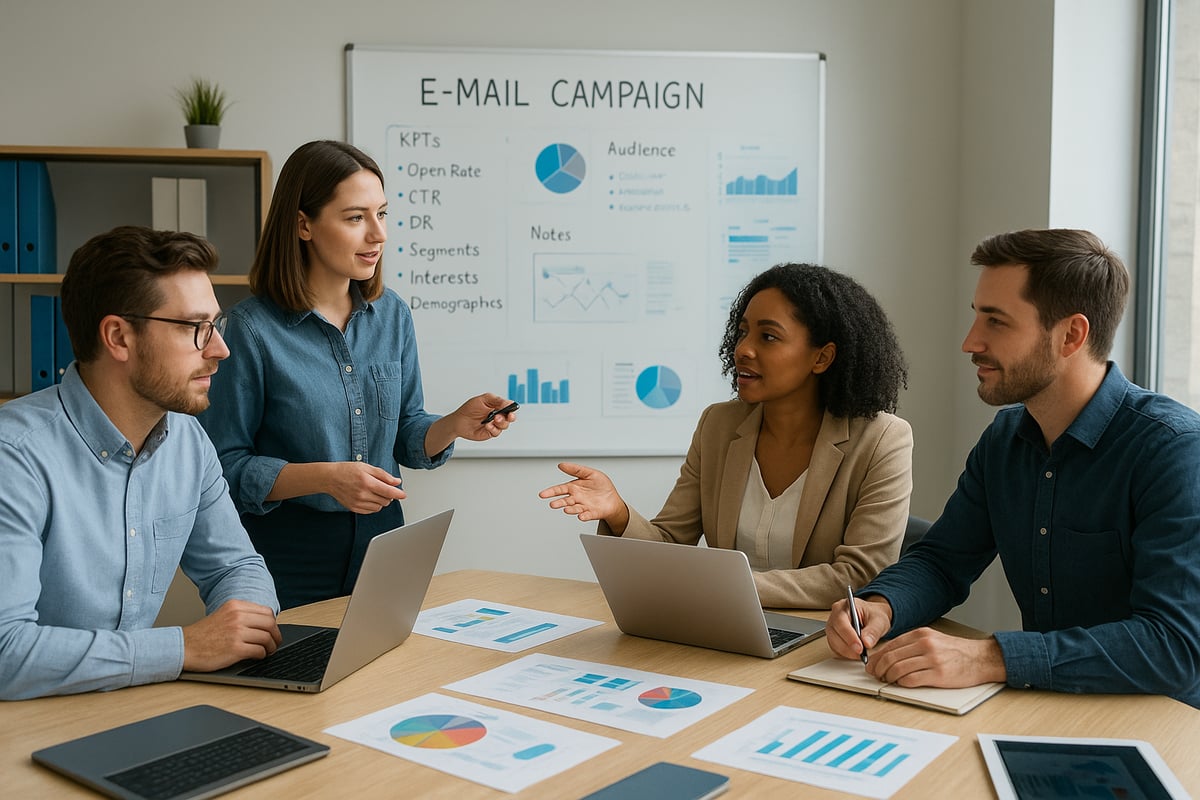
Every high impact e-mail campaigns strategy begins with setting measurable objectives. Align your campaign goals with broader business outcomes, such as boosting sales, increasing retention, or elevating brand awareness.
To track progress, define key performance indicators (KPIs):
- Open rates: Gauge interest in your subject lines.
- Click-through rates: Measure engagement with your content.
- Conversion rates: Track how many recipients take action.
- Revenue per e-mail: Assess financial return.
- Unsubscribe rates: Monitor list health.
By anchoring your high impact e-mail campaigns to specific KPIs, you can refine tactics, allocate resources efficiently, and demonstrate value to stakeholders. For more insights, explore E-mail marketing best practices.
Audience Segmentation and Persona Development
Understanding your audience is essential for high impact e-mail campaigns. Begin by building detailed customer personas using first-party and zero-party data, such as survey responses and preference centres.
Advanced segmentation goes beyond basic demographics. Consider:
- Behavioural data: Browsing and purchase history.
- Lifecycle stage: New leads, active customers, or lapsed users.
- Engagement patterns: Frequency of interactions.
Case studies show that brands using micro-segmentation can increase click-through rates by up to 40 percent. Tailoring messages to unique segments ensures your high impact e-mail campaigns are relevant and timely.
Building and Maintaining a High-Quality E-Mail List
A high quality list is the backbone of high impact e-mail campaigns. Focus on ethical list building through clear opt-in forms, valuable lead magnets, and preference centres that let users control their experience.
Maintaining list hygiene is equally vital:
- Regularly clean your list to remove inactive contacts.
- Use re-engagement campaigns to win back lapsed subscribers.
- Suppress contacts who no longer engage.
Clean lists can achieve up to 25 percent higher deliverability. This careful management keeps your high impact e-mail campaigns effective and ensures messages reach the right audience.
Timing, Frequency, and Cadence
Timing is a crucial element in high impact e-mail campaigns. Use AI tools and historical data to determine the best send times for your audience. This can increase open and engagement rates significantly.
Balance frequency to avoid subscriber fatigue:
- Test weekly versus monthly sends.
- Monitor engagement dips to adjust cadence.
- Personalise timing based on user behaviour.
Optimising when and how often you send helps maintain subscriber interest and sustains the momentum of your high impact e-mail campaigns.
Resource Planning and Budgeting
Successful high impact e-mail campaigns require thoughtful resource allocation. Plan for content creation, design, automation, and analytics.
Budgeting should include:
- Software licences and automation tools.
- Creative assets such as images and video.
- Testing and optimisation resources.
Allocate your budget in line with campaign objectives and KPIs. This strategic approach ensures your team has the tools and support needed for high impact e-mail campaigns that deliver results.
Step 2: Crafting Compelling E-Mail Content for 2026 Audiences
Creating content that stands out in busy inboxes is essential for high impact e-mail campaigns. Marketers in 2026 must blend creativity, technology, and personalisation to engage audiences and drive results. Let us explore the key ingredients for content that converts and delights.

Subject Lines and Preheaders: The First Impression
Your subject line and preheader are the gateway to high impact e-mail campaigns. In 2026, personalisation is non-negotiable. Address recipients by name, reference recent activity, or tailor offers to their interests.
Urgency and curiosity continue to boost open rates. Phrases like "Limited time" or questions pique interest. For example, compare "Unlock Your 2026 Growth Blueprint" to a generic "Latest Newsletter." The former promises value and relevance.
A/B testing remains vital. Test different subject lines with small audience segments before rolling out to your entire list. Track which versions deliver higher open rates and refine your approach for future high impact e-mail campaigns.
Visual Design and Interactive Elements
Visual appeal and interactivity are pillars of high impact e-mail campaigns. Mobile-first, responsive layouts ensure messages look sharp on all devices. Over 70 percent of e-mails are now opened on mobile, making adaptability essential.
Interactive elements like image carousels, in-message polls, and embedded videos invite users to engage directly within the e-mail. According to Litmus, interactive e-mails can boost engagement by up to 300 percent.
Accessibility is equally important. Use clear fonts, high contrast colours, and descriptive alt text for images. This guarantees that high impact e-mail campaigns reach and resonate with every subscriber, regardless of ability.
| Design Element | Best Practice | Impact on Engagement |
|---|---|---|
| Responsive Layout | Mobile-optimised | Higher open rates |
| Interactive Content | Polls, carousels, videos | Increased clicks |
| Accessible Design | Alt text, readable fonts | Broader reach |
Personalisation and Dynamic Content
High impact e-mail campaigns in 2026 leverage AI-powered personalisation to deliver content tailored to individual preferences. Dynamic content blocks can change based on user behaviour, past purchases, or real-time engagement.
For example, a retailer can send personalised product bundles based on a customer's browsing history. AI-driven recommendations ensure each recipient sees the most relevant products, articles, or offers, increasing the likelihood of conversion.
This level of personalisation not only boosts engagement but also builds lasting loyalty. Recipients feel valued when e-mails reflect their unique needs, cementing the effectiveness of high impact e-mail campaigns.
Storytelling and Value-Driven Messaging
Storytelling transforms high impact e-mail campaigns from transactional messages into memorable experiences. Use narrative techniques to connect emotionally, share customer success stories, or take readers behind the scenes of your brand.
Value-driven messaging should educate, entertain, or inspire. Instead of pushing promotions, offer insights, tips, or exclusive content that positions your brand as a trusted resource. For a strategic approach to content, consider exploring content strategy services that help develop engaging, high-performing campaigns.
Stories and value-led content nurture relationships, build trust, and set your high impact e-mail campaigns apart from generic marketing noise.
Clear CTAs and Conversion Optimisation
Every high impact e-mail campaign needs a clear call to action. CTAs should stand out visually, using contrasting colours and concise, action-oriented language. Limit each e-mail to a single, focused CTA when possible, as research shows this can increase click rates by 371 percent.
Reduce friction in the conversion path by embedding forms or enabling one-click purchases within the e-mail itself. Make it easy for recipients to take the next step, whether that is signing up, purchasing, or learning more.
Regularly test CTA placement, wording, and design to discover what drives the highest response. Optimising these elements ensures high impact e-mail campaigns consistently achieve their goals.
Step 3: Leveraging Automation and AI for Maximum Impact
Automation and AI are reshaping the landscape of high impact e-mail campaigns. In 2026, marketers rely on smart technology to deliver more personalised, timely, and effective messaging. By embracing these innovations, you can boost efficiency, drive conversions, and keep your campaigns ahead of the curve.
Advanced Automation Workflows
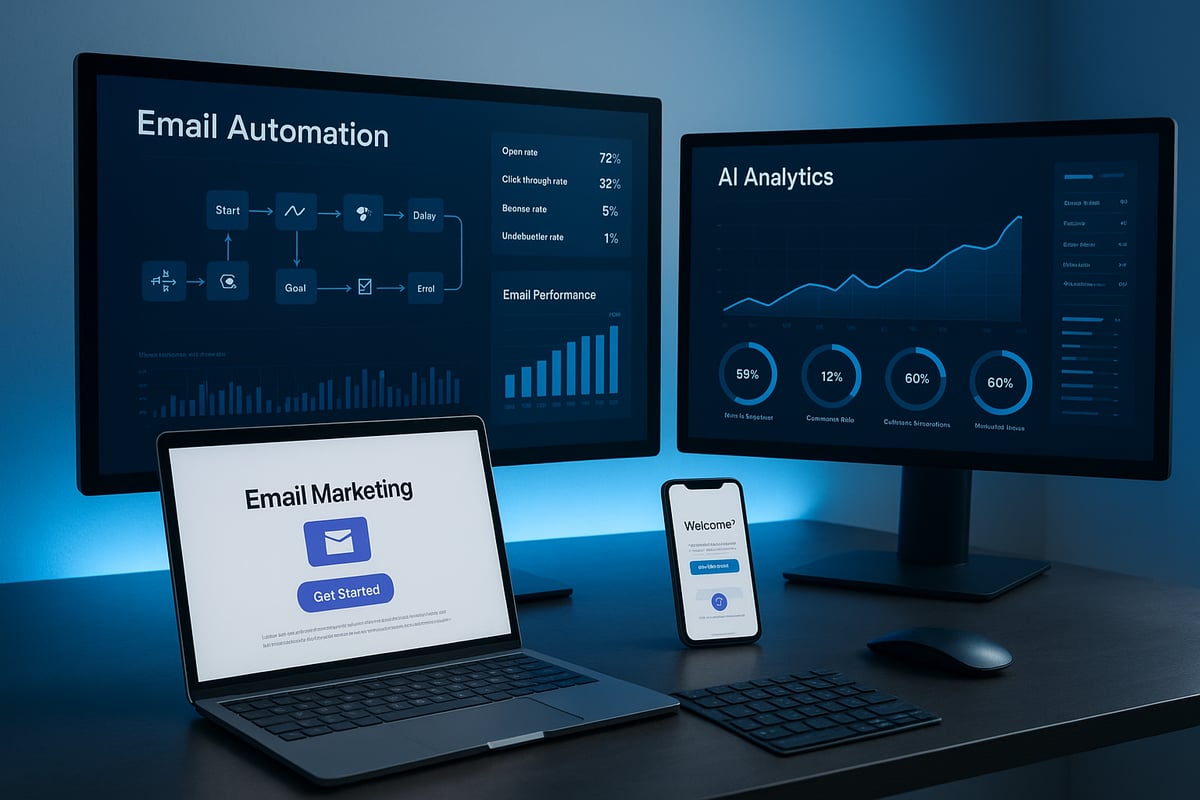
Modern automation tools unlock a world of possibilities for high impact e-mail campaigns. Triggered campaigns, such as welcome series, post-purchase follow-ups, and cart abandonment reminders, ensure every contact receives messages at the most relevant moments.
Drip sequences guide subscribers through tailored journeys based on their interactions or lifecycle stage. For example, an automated birthday offer can yield up to 20 percent higher conversion rates compared to generic promotions.
Key benefits include:
- Consistent, timely communication
- Increased engagement through relevance
- Reduced manual workload for marketing teams
By building smart workflows, you can scale high impact e-mail campaigns without sacrificing the personal touch.
AI-Powered Personalisation and Optimisation
Artificial intelligence takes personalisation to the next level in high impact e-mail campaigns. AI analyses user behaviour, preferences, and engagement patterns to recommend optimal send times and tailor content dynamically.
With predictive analytics, you can anticipate customer needs and deliver product or content suggestions in real time. AI-driven subject line and copywriting tools generate variants that resonate with different segments, increasing open and click rates.
Examples of AI applications:
- Real-time content adaptation based on user actions
- Automated recommendations for products or articles
- Hyper-personalised subject lines that boost engagement
Leveraging AI helps ensure every recipient receives value, enhancing the effectiveness of high impact e-mail campaigns.
Integrating E-Mail with Omnichannel Strategies
The future of high impact e-mail campaigns lies in seamless integration with other digital channels. By combining e-mail with SMS, push notifications, and social media, you create a unified customer experience across the entire journey.
For instance, synchronised campaigns can remind users of exclusive offers via e-mail and reinforce the message with timely SMS alerts or targeted social ads. This approach can increase retention by 30 percent, as reported by Salesforce in 2025.
To maximise results, consider using Social media management strategies to align e-mail and social messaging for consistent brand communication.
A simple comparison of omnichannel touchpoints:
| Channel | Main Benefit | Example Use Case |
|---|---|---|
| Personalised offers | Special discount codes | |
| SMS | Immediate notifications | Time-sensitive reminders |
| Social Media | Community engagement | Campaign teasers |
When integrated thoughtfully, these channels amplify the impact of high impact e-mail campaigns.
Testing, Learning, and Iterating
Continuous testing is essential to maximise the performance of high impact e-mail campaigns. Use A/B and multivariate testing to compare subject lines, layouts, or content blocks, identifying what resonates most with your audience.
Leverage analytics to track open rates, click-throughs, and conversions, then refine your approach based on real data. Marketers who regularly test their e-mails see a 28 percent higher ROI, according to Campaign Monitor in 2025.
In summary, adopting a culture of experimentation ensures your high impact e-mail campaigns evolve alongside changing customer expectations.
Step 4: Measuring, Analysing, and Optimising Campaign Performance
Tracking and improving your high impact e-mail campaigns is essential for long-term success. Without robust measurement, optimisation is guesswork. This step will show you how to collect meaningful data, analyse results, and refine your approach for better performance and higher ROI.
Identifying and Tracking Key Metrics
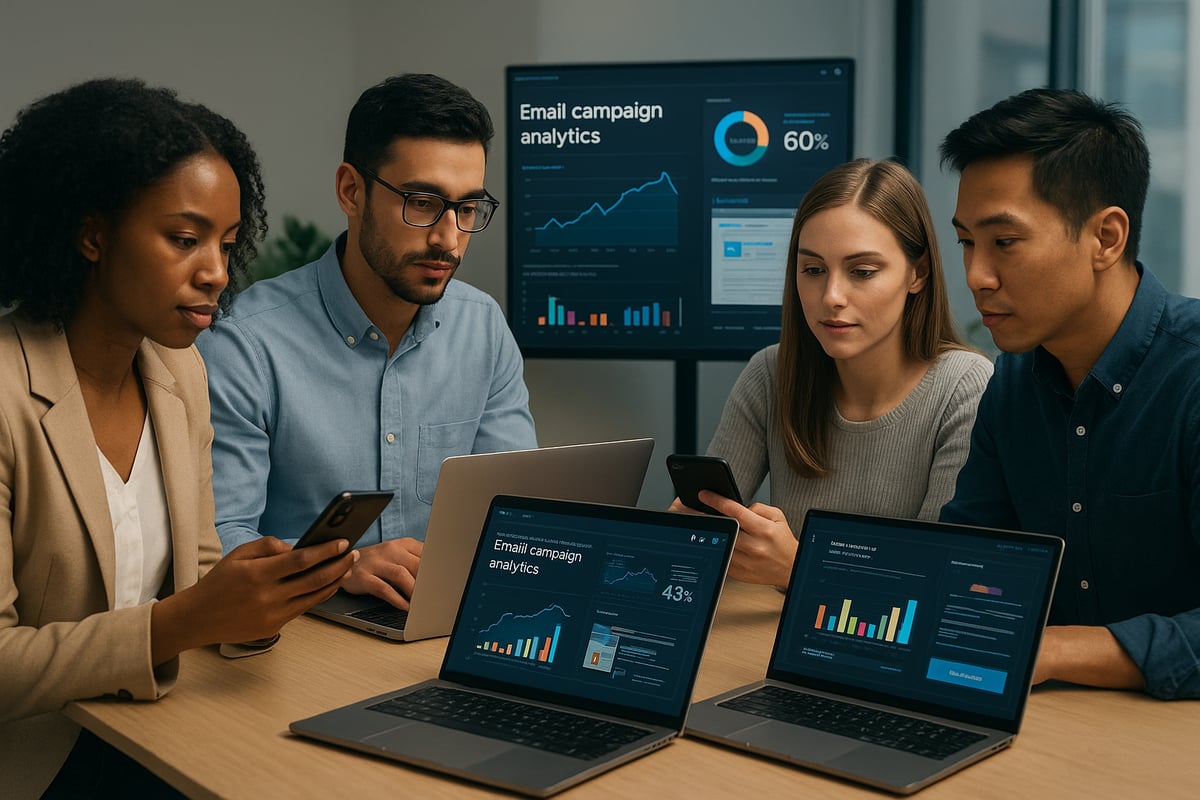
To optimise high impact e-mail campaigns, start by monitoring essential metrics. These include open rates, click-through rates, conversion rates, revenue per e-mail, and unsubscribe rates. Advanced marketers also track engagement over time, device breakdowns, and ROI.
A summary of key metrics:
| Metric | What it Measures | Why it Matters |
|---|---|---|
| Open Rate | % of recipients opening the e-mail | Gauges subject line effectiveness |
| Click-through Rate | % clicking a link in the e-mail | Assesses content engagement |
| Conversion Rate | % completing desired action | Measures campaign success |
| Revenue per E-mail | Average income per e-mail sent | Links e-mail to business goals |
| Unsubscribe Rate | % opting out from your list | Monitors list health |
By tracking these, you can pinpoint what drives results in high impact e-mail campaigns and identify where improvements are needed.
Using Analytics Tools and Dashboards
Analytics platforms are vital for high impact e-mail campaigns. Leading tools such as Mailchimp, HubSpot, and Salesforce Marketing Cloud offer dashboards that provide a real-time view of campaign performance.
Set up custom dashboards to display metrics that matter most to your objectives. For example, use heatmaps to see exactly where users click within your e-mails. This data helps you understand which elements attract attention and which are ignored.
Automated reporting speeds up analysis and highlights trends quickly. With comprehensive dashboards, you can make informed decisions to optimise your high impact e-mail campaigns efficiently.
Attribution and Understanding Customer Journeys
Attribution models help determine how high impact e-mail campaigns contribute to your overall marketing success. Multi-touch attribution gives credit to all touchpoints in a customer's journey, not just the last interaction.
Mapping your e-mail's role in the broader customer journey reveals its true value. For example, an e-mail may drive initial interest, while a later social ad secures the conversion. Analysing paths to purchase ensures your e-mail strategy is aligned with other channels.
According to HubSpot, 80% of marketers report improved ROI when using multi-channel attribution to evaluate high impact e-mail campaigns.
Continuous Optimisation Strategies
High impact e-mail campaigns thrive on continuous improvement. Schedule regular performance reviews and audits to identify what works and what needs adjusting. Implement A/B testing on subject lines, content, and CTAs to boost results.
Use insights from analytics to retarget and re-engage segments that show potential. For a deeper dive into ongoing trends and optimisation tactics, see 16 Email marketing trends to watch in 2026.
The goal is to create a feedback loop where every campaign builds on the last, ensuring your high impact e-mail campaigns consistently exceed expectations.
Benchmarking and Industry Comparisons
Benchmarking is crucial for understanding how your high impact e-mail campaigns perform against industry standards. Compare your open rates, click-through rates, and other metrics with data from sources like DMA, HubSpot, and Campaign Monitor.
For example, the average e-mail open rate across industries in 2025 was 21.5%. Setting realistic targets based on these figures helps you measure progress and identify areas for improvement. Explore further industry benchmarks and trends at The Top Email Marketing Trends for 2026.
Consistently comparing your results ensures your high impact e-mail campaigns stay competitive and effective.
Step 5: Compliance, Privacy, and Ethical E-Mail Marketing in 2026
Staying compliant and ethical is now essential for high impact e-mail campaigns. As privacy expectations and regulations evolve, brands must adapt to build trust and deliver value. Let us explore the critical areas that will define responsible e-mail marketing in 2026.
Navigating Evolving Regulations
The regulatory landscape is constantly shifting. GDPR and ePrivacy remain central, but new standards are emerging across regions. For high impact e-mail campaigns, consent management is non-negotiable. Brands must ensure every subscriber has clearly opted in and can easily adjust their preferences.
Transparent data usage policies should be standard. Marketers need to explain how data is collected, stored, and used. Regular audits can help identify gaps in compliance and reduce risk. Staying proactive with legal updates is vital for future-proofing your strategy.
Building Trust Through Ethical Data Practices
Trust is the foundation of high impact e-mail campaigns. Collecting zero-party and first-party data directly from users improves relevance while respecting privacy. Use preference centres and transparent forms to empower subscribers.
A clear privacy policy, written in plain language, is essential. Give users control over their data, including easy access to unsubscribe or update preferences. These steps not only support compliance but also foster lasting relationships with your audience.
Accessibility and Inclusivity in E-Mail Campaigns
Accessible design is a core requirement for high impact e-mail campaigns. Make your e-mails easy to read for everyone, including those with visual, cognitive, or physical impairments. Incorporate alt text for images, use high-contrast colour schemes, and choose readable fonts.
For practical advice on accessible layouts and mobile-friendly design, refer to these user-friendly design tips. Inclusive e-mails reach broader audiences and demonstrate your brand’s commitment to equality.
Sustainable and Responsible E-Mail Marketing
Sustainability is now a key aspect of high impact e-mail campaigns. Reduce your digital carbon footprint by optimising image sizes, limiting unnecessary sends, and streamlining code. Promote environmental responsibility in your messaging to align with consumer values.
Preparing for Future Compliance Challenges
Looking ahead, anticipate changes in regulations and privacy standards. Train your team regularly and update your processes as needed. Early adoption of new privacy rules can give your high impact e-mail campaigns a competitive edge. By staying informed and agile, you ensure your marketing remains both ethical and effective.
As you explore the strategies and innovations shaping high impact e mail campaigns for 2026, it’s clear that blending technology with creativity is key to staying ahead. From harnessing AI and automation to crafting personalised, engaging content, every step counts towards stronger customer connections and measurable growth. If you’re ready to elevate your approach or need expert support tailoring these strategies to your business, we’re here to help. Let’s work together to ensure your e mail marketing stands out and delivers real results—Get in touch to start your journey with Ruff Idea.