
The world of e commerce websites is evolving at breakneck speed. In 2026, standing out from the crowd is more vital than ever, as competition intensifies and customer expectations soar.
Success now hinges on e commerce websites that are visually captivating, user-centred, and perform flawlessly across devices. Analysing the best in the business sparks fresh ideas for design, user experience, and features that can transform browsers into loyal buyers.
This article spotlights eight inspiring e commerce websites, exploring their standout features, pricing, and unique strategies. You will discover examples from a range of industries, along with actionable insights to elevate your own online store in 2026.
What Makes an E-Commerce Website Truly Inspiring in 2026?
The landscape for e commerce websites is rapidly evolving as we approach 2026. Modern consumers expect more than just functionality—they demand a seamless, personalised, and visually engaging experience that feels both intuitive and inspiring.
AI-Driven Personalisation and Immersive Design
AI is now at the heart of leading e commerce websites. Smart recommendation engines analyse browsing habits to serve up relevant products, while dynamic content adapts in real time to user preferences. Immersive design elements—such as interactive 3D product views and AR previews—allow shoppers to visualise items in their own space, building confidence and engagement.
Mobile-First and Responsive Experiences
With mobile shopping dominating the market, responsive design is no longer optional. The best e commerce websites prioritise layouts that adapt fluidly to any screen size, ensuring fast loading, intuitive navigation, and easy access to core features. Mobile-first approaches guarantee that checkout, product discovery, and customer support are effortless on any device.
Seamless Checkout, Transparent Pricing, and Security
A frictionless path to purchase is vital for reducing cart abandonment. Top e commerce websites offer streamlined checkout with minimal steps, multiple payment options, and clear, upfront pricing. Robust security measures—such as SSL certificates and visible trust badges—instil confidence, making customers more likely to complete their purchases.
Brand Storytelling and Social Proof
Storytelling remains a powerful differentiator. Inspirational e commerce websites weave brand narratives throughout the user journey, using compelling copy, high quality visuals, and authentic customer stories. Social proof, in the form of integrated reviews and testimonials, adds credibility and fosters loyalty.
Social Commerce, Omnichannel, and Third-Party Integrations
Modern e commerce websites are not confined to a single channel. Integration with social platforms, marketplaces, and third-party services creates a truly omnichannel experience. This approach extends reach, builds brand awareness, and meets customers wherever they prefer to shop.
Key E-Commerce Website Trends for 2026
| Trend | Description |
|---|---|
| AI Personalisation | Tailored content, recommendations, chatbots |
| AR and 3D Visuals | Try-before-you-buy, immersive product displays |
| Mobile-First Design | Responsive, fast, touch-friendly interfaces |
| Seamless Checkout | One-click, multiple payment options, autofill |
| Accessibility and Inclusivity | Alt text, keyboard navigation, readable fonts |
| Social Commerce Integration | Shoppable posts, live streams, influencer content |
Data-Driven Decisions and Innovative Features
According to recent industry research, 70% of UK consumers cite website experience as a key purchase factor. E commerce websites leading the way deploy features like sticky carts, dynamic filters, and instant AR previews. These innovations not only improve usability but also drive higher engagement and conversions.
Accessibility and Inclusive Design
Reaching the broadest possible audience means prioritising accessibility. Features like alt text, keyboard navigation, and high contrast options are essential for compliance and user satisfaction. Inclusive design is both a legal requirement and a business advantage for e commerce websites.
For a deeper dive into the strategies and trends shaping these developments, see E-Commerce Web Designing Insights.
In summary, truly inspiring e commerce websites in 2026 blend cutting edge technology with human centred design. By embracing personalisation, seamless mobile experiences, strong storytelling, and accessibility, brands can create online stores that stand out and succeed in a fiercely competitive landscape.
Top 8 E-Commerce Websites to Inspire Your Online Store 2026
Exploring the most successful e commerce websites offers valuable insights for anyone seeking to build a standout online store in 2026. The following platforms have been selected for their innovation, design excellence, performance, user experience, and proven business impact. Across industries and business sizes, these e commerce websites demonstrate the features and strategies that drive results in a highly competitive market.
Wix
Wix stands out among e commerce websites for its creative freedom and scalable solutions, making it a top choice for SMEs and entrepreneurs. With over 900 templates and a user-friendly drag and drop builder, Wix empowers businesses to create distinctive online shops without coding expertise.
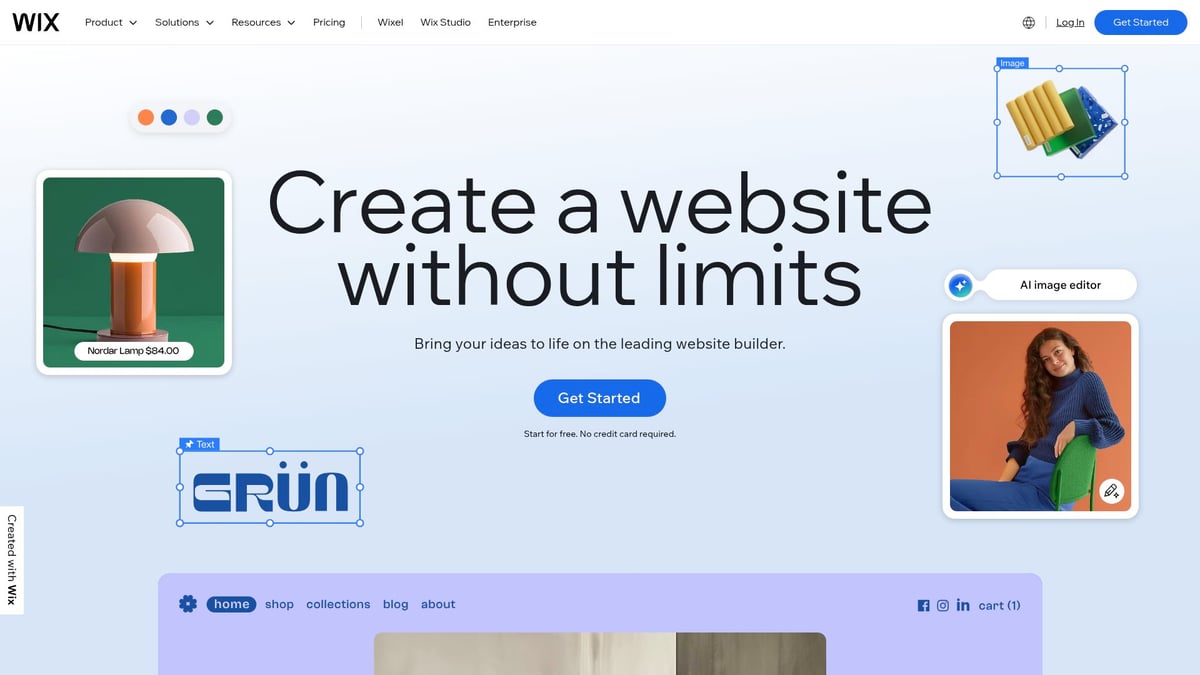
Pricing: £14.40 to £107.10 per month (with code “TAKE10”), plus a free plan for beginners. Transaction fees are 2.1% plus 20p per sale.
Core Features:
- 900+ designer templates tailored for e commerce websites
- Multichannel selling across web, social, and marketplaces
- Built in payments and AI chatbot builder for customer support
- Robust app market for extending store functionality
Key Benefits:
- Complete creative control over your brand’s look and feel
- Scalable plans to support business growth
- 24/7 support and a helpful knowledge base
Ideal For: Small to medium businesses, creatives, and brands needing flexibility.
Pros:
- Intuitive design experience
- Affordable entry point for e commerce websites
- Extensive add-ons and integrations
Cons:
- Transaction fees on all sales
- Some advanced features require a learning curve
Example: A fashion retailer leveraged Wix’s templates and multichannel tools to launch quickly, reaching new audiences and boosting sales through streamlined management of products across multiple platforms. With Wix, e commerce websites can scale seamlessly as customer demand grows.
Shopify
Shopify is a powerhouse in the e commerce websites landscape, renowned for its scalability and robust feature set. It caters to everyone from startups to enterprise brands, offering flexible pricing and a thriving app ecosystem.

Pricing: £19 to £259 per month (annual billing), with a 3 day free trial and £1 per month for the first three months.
Core Features:
- 200+ professionally designed templates for e commerce websites
- Advanced inventory management and reporting
- Abandoned cart recovery and seamless multichannel integration
- Powerful sales analytics and international selling tools
Key Benefits:
- Supports rapid scaling for growing businesses
- Extensive app marketplace to customise your e commerce websites
- Fast, streamlined checkout experience
Ideal For: High volume sellers, international brands, and those seeking out of the box performance.
Pros:
- Huge range of integrations
- Strong support and educational resources
- Reliable, high performance platform
Cons:
- Transaction fees (1.5 2% plus 25p) unless using Shopify Payments
- Costs can add up with premium apps
Example: A UK beauty brand used Shopify’s marketplace integrations to expand globally, automating order fulfilment and increasing revenue. Shopify remains a go to for e commerce websites seeking global reach.
Squarespace
Squarespace is celebrated for its stunning visuals and seamless design tools, making it a favourite among creative e commerce websites. It’s ideal for brands that prioritise storytelling and aesthetics.
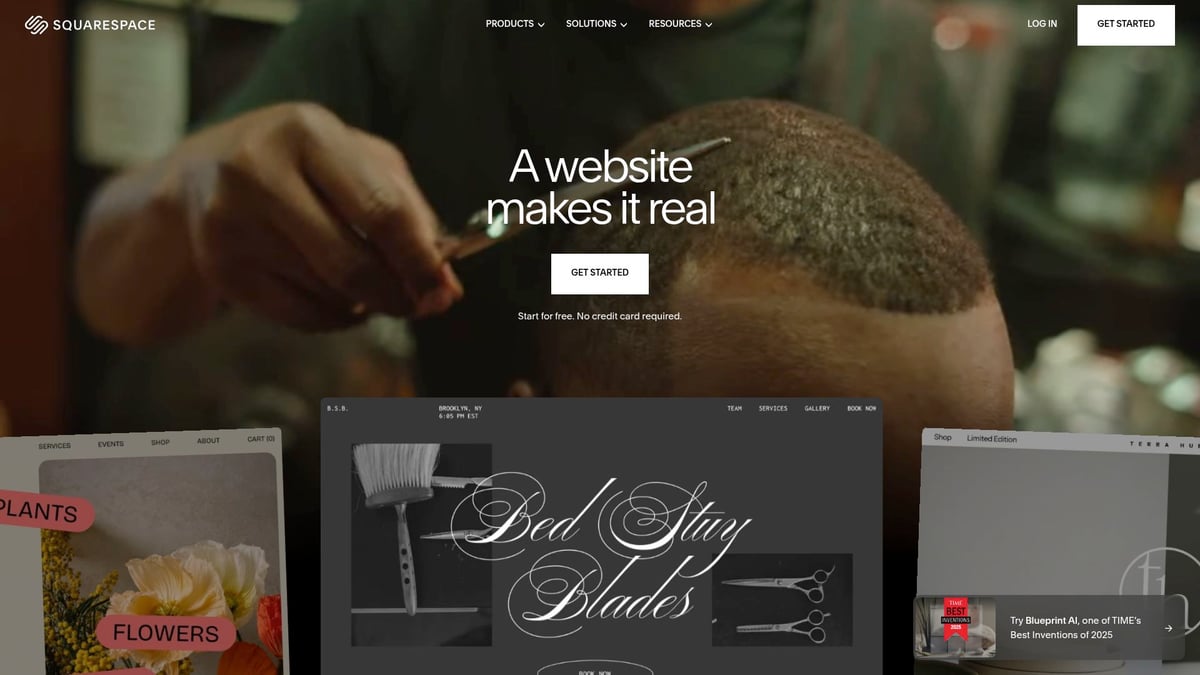
Pricing: £12 to £79 per month, with a 14 day free trial and 10% discount using “SU10”.
Core Features:
- Award winning templates optimised for e commerce websites
- Built in SEO and flexible merchandising options
- Support for product videos and visual storytelling
- Integrated blogging and content marketing tools
Key Benefits:
- Easy to customise for unique brand identities
- All in one platform for content and commerce
- Strong tools for content rich e commerce websites
Ideal For: Lifestyle brands, portfolios, and creatives.
Pros:
- Visually engaging templates
- User friendly editor
- Excellent content integration
Cons:
- Fewer payment gateway options
- Inventory management less advanced than competitors
Example: An artisanal homeware store uses Squarespace’s design driven features to build a cohesive brand story, attracting loyal customers and increasing time spent on site. For visually driven e commerce websites, Squarespace delivers.
BigCommerce
BigCommerce is a standout for e commerce websites needing enterprise level scalability and flexibility. Its platform supports complex catalogues, B2B functionality, and multi currency selling.
Pricing: $29 to $299 per month (approx. £22 to £229), with a 15 day free trial.
Core Features:
- Unlimited products and advanced catalogue management
- Multi currency support for global e commerce websites
- B2B tools and no transaction fees
- Robust APIs for integrations with ERP and CRM systems
Key Benefits:
- Handles rapid growth and high traffic
- Deep analytics for data driven decisions
- Flexible platform for custom integrations
Ideal For: Fast growing retailers, wholesalers, and B2B brands.
Pros:
- No transaction fees
- Advanced SEO features
- Powerful reporting tools
Cons:
- Steeper learning curve for new users
- Premium features require higher tier plans
Example: A tech retailer integrated BigCommerce with their ERP, streamlining operations and scaling efficiently. For ambitious e commerce websites, BigCommerce is a reliable partner.
Hostinger
Hostinger is gaining traction among budget friendly e commerce websites, especially for startups and first time online sellers. Its AI powered website builder and integrated hosting make setup quick and affordable.
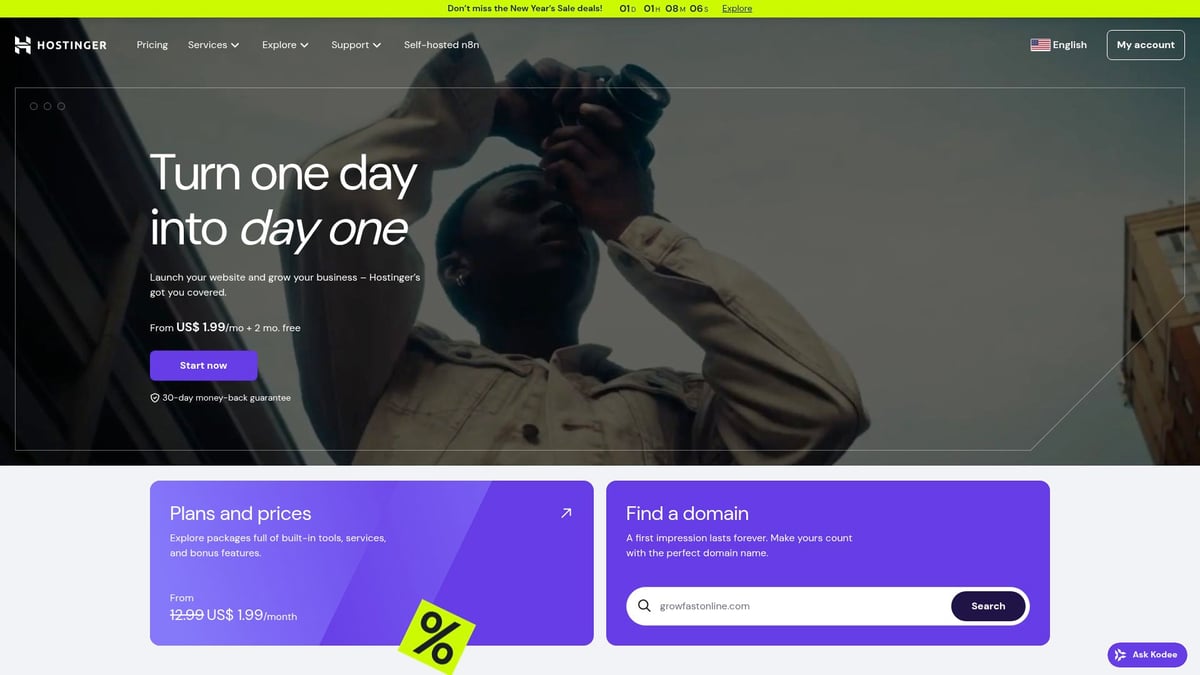
Pricing: £1.95 to £2.45 per month (with 48 month term), plus a 7 day free trial.
Core Features:
- AI driven website builder with 150+ templates
- No transaction fees for e commerce websites
- Integrated hosting and free SSL certificate
- Built in AI tools for content and design
Key Benefits:
- Very low cost of entry
- Fast setup for new e commerce websites
- Automation of content creation and design tasks
Ideal For: Startups, small businesses, and entrepreneurs on a tight budget.
Pros:
- Affordable pricing
- Simple, quick onboarding
- Free SSL for security
Cons:
- Limited scalability for large e commerce websites
- Fewer advanced features compared to premium platforms
Example: A local crafts seller launched their first online shop with Hostinger, managing products and sales with minimal technical skills. Hostinger is ideal for entry level e commerce websites.
GoDaddy
GoDaddy’s e commerce websites solution offers an all in one approach with integrated marketing and social selling tools. Its simple setup and bundled features appeal to small businesses seeking quick results.

Pricing: £13.99 per month, free plan available and first term savings.
Core Features:
- 150+ templates for e commerce websites
- Integrated marketing, email, and social media tools
- Built in SEO and analytics
- Fast online store launch
Key Benefits:
- Quick setup for new e commerce websites
- Bundled marketing tools for promotion
- 24/7 customer support
Ideal For: Small businesses needing an all in one web and marketing platform.
Pros:
- Fast launch process
- Affordable monthly pricing
- Integrated communications tools
Cons:
- Limited design customisation
- Higher transaction fees (up to 2.9% plus 20p)
Example: A service based business combined online booking and e commerce with GoDaddy, streamlining their operations and marketing. GoDaddy suits e commerce websites focused on efficiency.
Ruff Idea
Ruff Idea specialises in fully bespoke e commerce websites tailored to UK businesses. Their approach combines custom design, SEO, secure payments, and ongoing support for measurable results.
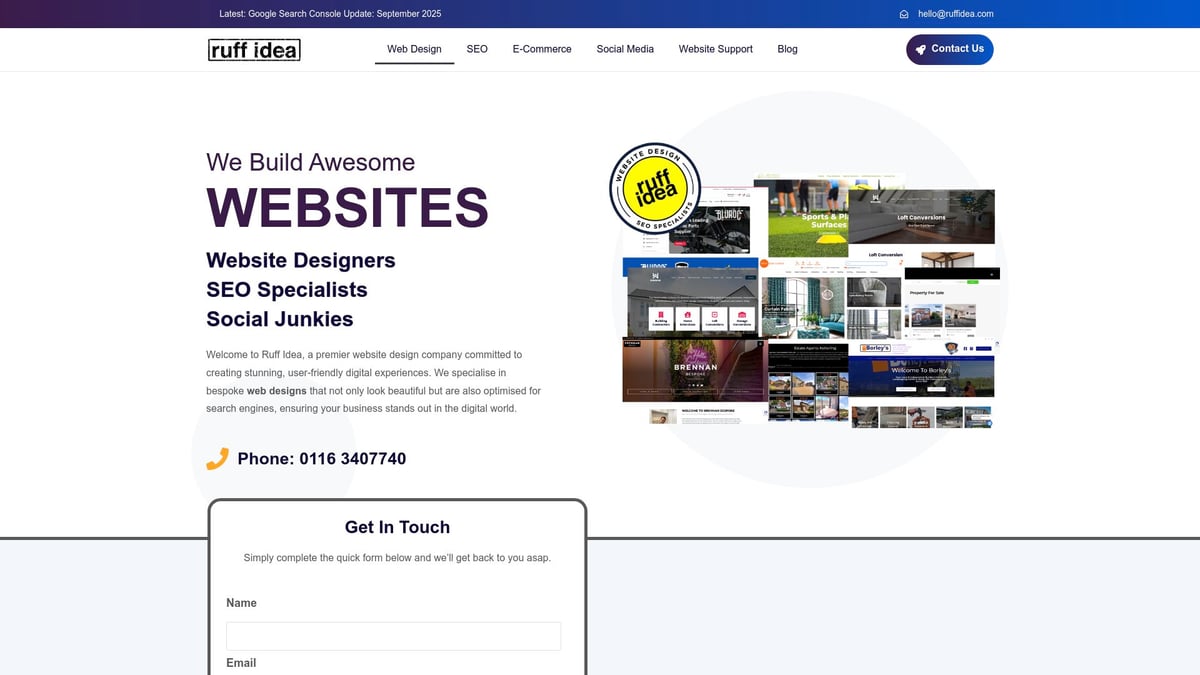
Pricing: Bespoke quotes based on project scope, with 12 months’ support.
Core Features:
- Custom e commerce website design and development
- SEO optimisation and secure payment integration
- Social media and ad management
- Ongoing maintenance and support
Key Benefits:
- User focused, conversion driven design
- End to end digital marketing integration
- Proven results in sales and traffic growth
Ideal For: UK businesses seeking a high performing, custom e commerce website with ongoing partnership.
Pros:
- Decade of industry expertise
- Local focus and UK wide reach
- Comprehensive, measurable support
Cons:
- No fixed pricing, higher upfront investment
Example: A Midlands retailer increased sales and online visibility through Ruff Idea’s bespoke solution. For those seeking both inspiration and actionable strategies, Ruff Idea’s ways to increase e commerce sales article offers practical tips for taking your online store to the next level.
Awwwards E-Commerce Winners
Awwwards E Commerce Winners is not a platform, but a curated showcase of the world’s best e commerce websites. It spotlights real world excellence in design, UX, and storytelling.
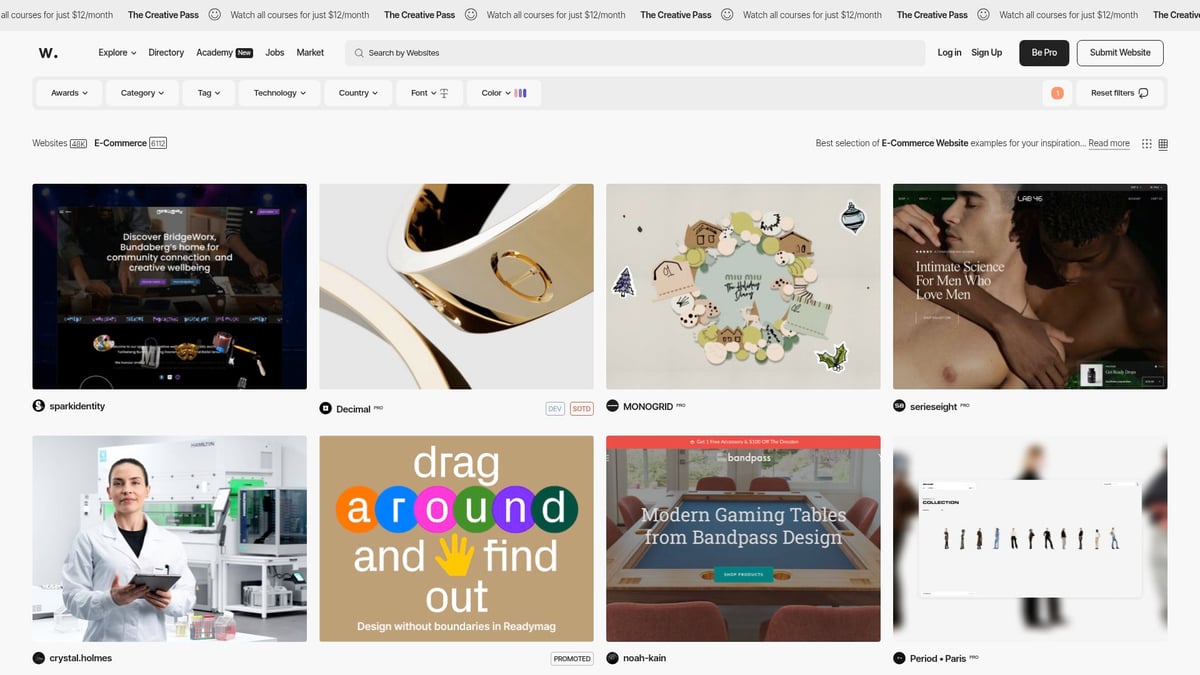
Pricing: Varies, as it is a directory not a provider.
Core Features:
- Collection of award winning e commerce websites across industries
- Highlights UX/UI innovation and immersive features
- Features interactive elements and compelling brand stories
Key Benefits:
- Inspiration from global leaders in e commerce websites
- Insight into current trends and creative direction
- Benchmarks for designers and agencies
Ideal For: Designers, agencies, and brands seeking inspiration and industry benchmarks.
Pros:
- Curated excellence and trendsetting examples
- Diverse industries and approaches
- Real world, actionable inspiration
Cons:
- Not a direct e commerce platform
Example: A recent Site of the Day featured immersive 3D product views and microinteractions, setting a new standard for engaging e commerce websites. Exploring Awwwards can spark ideas for your own site’s next evolution.
Key Features to Implement from Leading E-Commerce Sites
In 2026, success for e commerce websites hinges on delivering seamless, intuitive, and secure experiences. Leading brands know that the foundation of high-performing e commerce websites lies in a blend of smart technology, engaging design, and user trust. But what specific features set the top sites apart, and how can you use these insights to elevate your own store?
Core Features Every E Commerce Website Needs
Mobile shopping now dominates user behaviour, so mobile optimisation is no longer optional for e commerce websites. Responsive layouts and touch-friendly navigation ensure customers can browse and buy effortlessly on any device. Fast loading times are critical, as even a one-second delay can reduce conversions by up to 7 percent.
Seamless checkout processes, with transparent pricing and trusted payment options, directly impact customer satisfaction and reduce cart abandonment. Security also remains a top priority. Robust SSL certificates, clear privacy policies, and visible trust badges reassure visitors that their data is safe.
Personalisation is increasingly vital for e commerce websites. AI-driven recommendation engines, dynamic content, and chatbots create richer, more relevant shopping journeys. For more on how these tools are transforming the landscape, see this resource on AI-Driven Personalization in E-Commerce.
Visual storytelling is another hallmark of inspiring sites. High quality images, interactive product displays, and video demos help customers connect with products. Integrated reviews and social proof further build credibility, making visitors more likely to convert.
Back-end essentials matter too. Strong inventory management, analytics, and omnichannel capabilities support smooth operations and enable data-driven decisions. Sites with advanced UX/UI see up to 35 percent higher conversion rates, underscoring the business impact of these features.
Actionable Insights for Implementing Top Features
To compete with leading e commerce websites, focus on features that deliver both user value and operational efficiency. Begin by prioritising mobile optimisation, secure payment integration, and fast navigation. These are non-negotiable for any modern online store.
Leverage AI tools where possible. Recommendation engines and chatbots can increase engagement and average order values. Use high resolution visuals and video to showcase products, and encourage customer reviews to provide social proof.
Consider the backend as much as the front end. Reliable analytics, stock control, and omnichannel selling tools will help you scale and adapt as your business grows. For a comprehensive checklist, review the Critical Aspects of Business Websites to ensure your foundation is strong.
Here is a quick summary of must-have features:
| Feature | Benefit |
|---|---|
| Mobile Optimisation | Wider reach, better engagement |
| Fast Loading | Higher conversions |
| Secure Payments | Builds trust |
| Seamless Checkout | Reduces abandonment |
| AI Personalisation | Increases relevance, sales |
| High Quality Visuals | Boosts product appeal |
| Social Proof | Enhances credibility |
| Analytics & Inventory | Enables growth, efficiency |
Ultimately, the most successful e commerce websites are those that continually adapt, using both customer feedback and industry benchmarks to drive improvement. Invest in features that support your goals, and regularly review your site to stay ahead in a fast-evolving market.
How to Choose the Right Platform or Approach for Your Online Store
Selecting the right platform for e commerce websites is a pivotal decision that shapes your online store’s growth, performance, and future scalability. With so many options available, it is essential to approach this choice with a clear understanding of your business needs and long-term goals.
Assessing Your Business Needs
Before evaluating platforms, define your requirements for e commerce websites. Consider your current budget, expected sales volume, technical expertise, and how quickly you plan to scale.
For small startups or solo entrepreneurs, an all-in-one hosted solution may offer the best mix of affordability and simplicity. Larger brands or businesses expecting high growth might need more advanced features and customisation.
Ask yourself:
- How much can you invest initially and monthly?
- Do you require international selling or multi-currency support?
- Will you manage the site in-house or need external technical help?
Clarity on these points will help narrow your options for e commerce websites early in the process.
Comparing Platform Approaches
There are three main approaches to building e commerce websites: hosted, self-hosted, and bespoke.
| Solution Type | Pros | Cons | Best For |
|---|---|---|---|
| Hosted | Easy setup, support, updates | Less customisation, monthly fee | SMEs, beginners |
| Self-hosted | Full control, open source | Technical setup, maintenance | Tech-savvy, growing businesses |
| Bespoke | Tailored features, unique UX | Higher cost, longer development | Established brands, unique needs |
Hosted platforms like Wix or Shopify are ideal for those prioritising simplicity and support. Self-hosted solutions such as WooCommerce suit those with technical skill and desire for flexibility. Bespoke agencies deliver custom e commerce websites for brands seeking a unique, high-performing presence.
Key Considerations for Platform Selection
Scalability, ongoing support, and reliable maintenance are crucial for sustainable e commerce websites. According to recent surveys, 60% of small businesses cite ongoing support as a top factor in platform selection.
Do not overlook SEO capabilities, integrations with marketing tools, and the ability to adapt to new trends. Accessibility and sustainability are also rising priorities, as discussed in Sustainable and Accessible Web Design Practices, ensuring your site reaches the widest audience and meets evolving standards.
Balancing design flexibility with ease of use is key. Some platforms offer creative freedom but require more technical skill, while others streamline setup at the cost of customisation.
Evaluation Checklist and Next Steps
Use this checklist to evaluate e commerce websites and platforms:
- Does it fit your budget and forecasted growth?
- Is it scalable as your business expands?
- What level of support and resources are included?
- Are SEO and marketing tools robust and user-friendly?
- Can it integrate with your existing systems?
- Is the platform accessible and future-proof?
- Does it offer free trials or demos?
Take advantage of free trials, consultations, or design audits to test how platforms align with your needs. Making an informed choice will set your e commerce websites up for success, helping you build a future-ready online store with confidence.
If you’re feeling inspired by these stand out e commerce websites and ready to elevate your own online store for 2026, you don’t have to navigate this journey alone. At Ruff Idea, we specialise in crafting bespoke, visually engaging, and user friendly sites that not only look impressive but also deliver real business results. Whether you’re a boutique brand or an established retailer, our expert team can help you bring your vision to life with tailored design, SEO, and ongoing support. Let’s explore how we can help you stand out—Get in touch to start the conversation.