
The e-commerce landscape is changing at lightning speed as we move closer to 2026. New technologies, shifting consumer habits, and rising expectations are creating both challenges and opportunities for online businesses.
Competition is fiercer than ever. Only those who bring fresh, innovative e commerce web site ideas to the table will stand out and thrive in this crowded digital marketplace.
Staying ahead means embracing the latest trends, cutting-edge technology, and smart design. These factors can be the difference between stagnation and rapid growth for your online store.
In this article, we reveal eight inspiring e-commerce website ideas, supported by expert insights and real-world examples, designed to help your business achieve breakthrough success in 2026.
The Future of E-Commerce Web Design: Trends & Opportunities
As 2026 approaches, the e commerce web site landscape is undergoing rapid transformation. Businesses face mounting pressure to stand out in a crowded market. The combination of technology, design, and evolving consumer expectations is setting the stage for a new era in online shopping.
AI Personalisation, Immersive Experiences & Sustainability
Artificial intelligence is revolutionising the e commerce web site experience. In 2026, AI personalisation tailors every interaction, from dynamic product recommendations to predictive search and virtual assistants. According to recent studies, AI-driven personalization increases revenue by 40%, making it a top priority for online retailers.
Immersive technologies such as 3D product visualisation and augmented reality are becoming standard. Shoppers can explore products virtually, increasing engagement and confidence before purchasing. Meanwhile, sustainability is more than a buzzword: ethical sourcing, eco-friendly packaging, and transparent supply chains are now essential features for any forward-thinking e commerce web site.
Mobile-First & App-Like Experiences
With mobile commerce projected to account for over half of all retail sales by 2026, a mobile-first approach is non-negotiable. Consumers expect e commerce web site interfaces to be fast, responsive, and intuitive on any device. Progressive web apps and app-like navigation create seamless transitions between browsing and buying.
Speed is critical. Shoppers abandon slow sites quickly, so optimising load times and streamlining checkout processes are vital. Features like one-tap payment and biometric authentication are becoming baseline expectations, making shopping frictionless and secure.
Accessibility, Security & Consumer Expectations
Modern shoppers demand more than just convenience from an e commerce web site. Accessibility and inclusive design ensure everyone can shop with ease, regardless of ability. This includes clear navigation, screen reader compatibility, and adjustable text.
Security is paramount. With rising concerns about data privacy, robust encryption, two-factor authentication, and transparent policies are now standard. Customers also expect social proof in the form of reviews and testimonials, influencing trust and conversion rates.
Data-Driven Decisions & Opportunities for Innovation
Analytics tools are now embedded in every successful e commerce web site. Real-time dashboards enable businesses to track customer behaviour, test new features, and refine strategies quickly. Data-driven decision-making means brands can adapt to trends, personalise offers, and optimise every touchpoint.
Here is a snapshot of key statistics shaping the future:
| Trend | Statistic |
|---|---|
| Mobile Commerce | 59% of online sales by 2026 |
| AI Personalisation | 40% revenue increase |
| Immersive Experiences | 3D/AR features boost engagement by up to 30% |
Innovative e commerce web site concepts can leverage these trends by:
- Integrating AI for smarter recommendations.
- Building inclusive, accessible interfaces.
- Adopting mobile-first, app-like designs.
- Using sustainability as a brand differentiator.
By embracing these opportunities, businesses can create an e commerce web site that not only meets but exceeds the expectations of tomorrow’s digital consumer.
8 Inspiring E Commerce Web Site Ideas for 2026 Success
The e commerce web site landscape is transforming at a rapid pace. Businesses aiming for growth in 2026 need creative, future-proof solutions. Below, you'll find eight standout e commerce web site ideas, each tailored for different goals, budgets, and ambitions. Explore their features, benefits, and examples to find the perfect fit for your brand's next chapter.
Wix – Multi-Purpose, AI-Driven E-Commerce Platform
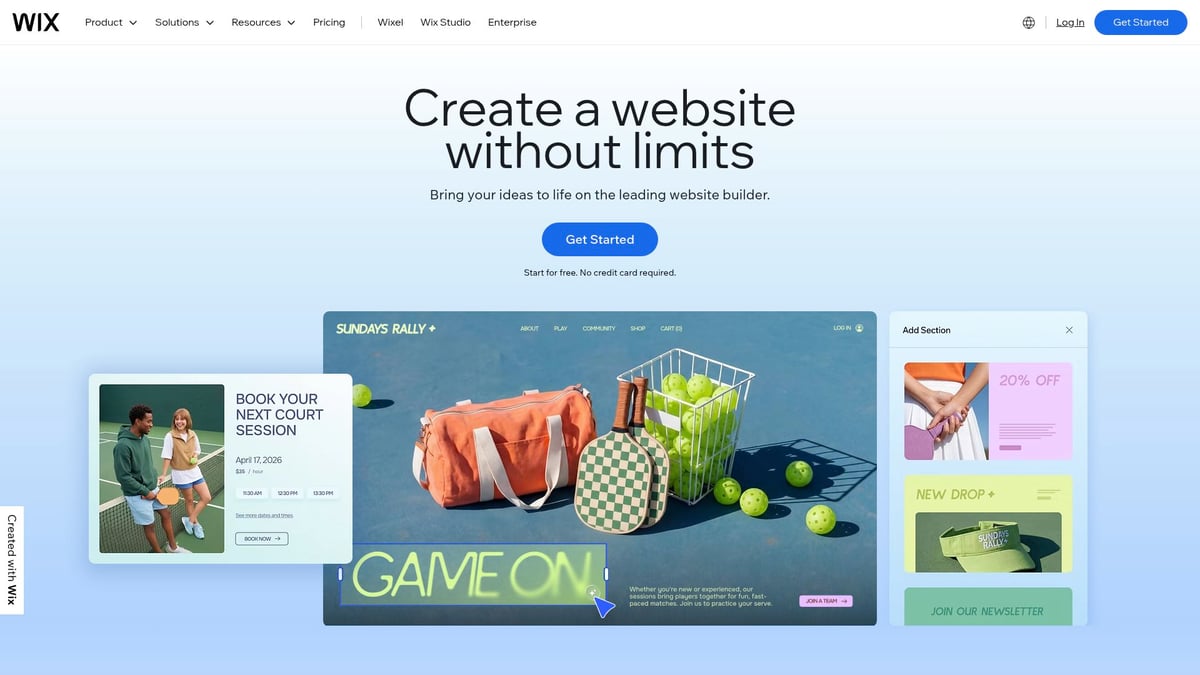
Wix stands out as a leading e commerce web site builder for 2026, offering businesses unmatched flexibility and creativity. Its pricing ranges from £14.40 to £107.10 per month, with a free trial to help you get started. Wix provides over 900 templates, giving every e commerce web site a unique visual identity.
Key features include:
- An AI chatbot builder for enhanced customer engagement
- Flexible sales tools across multiple channels
- Drag and drop editing for easy customisation
Wix empowers small and medium businesses to create e commerce web site experiences tailored to any industry. The platform is affordable, robust, and scalable, making it a great choice for brands aiming to grow. Support is strong, with plenty of resources and community advice.
Pros:
- Versatile and affordable
- No coding required
- Multichannel sales capabilities
Cons:
- Some advanced e commerce web site features require a learning curve
Many brands use Wix to launch visually rich, conversion focused stores. Its adaptability ensures your e commerce web site remains competitive as trends evolve.
Shopify – Growth-Focused Platform for Scaling Brands
Shopify is the go to e commerce web site solution for ambitious entrepreneurs and established brands seeking global reach. With pricing from £19 to £259 per month, plus a £1/month offer for the first three months and a 3 day free trial, Shopify is built for scalability.

Core features:
- 200+ professional templates
- Powerful inventory and order management
- Extensive third party app ecosystem
Shopify's unique benefits include analytics for data driven decisions and international selling tools. This enables your e commerce web site to expand seamlessly across markets. The platform is reliable, with strong uptime and security.
Pros:
- Scalable infrastructure
- Rich integrations for marketing and sales
- Excellent support
Cons:
- Transaction fees apply
- Costs can rise with premium add ons
Global brands leverage Shopify to manage multi channel expansion. Its focus on growth ensures your e commerce web site is ready for rapid success.
Squarespace – Visually Stunning, Creative Stores
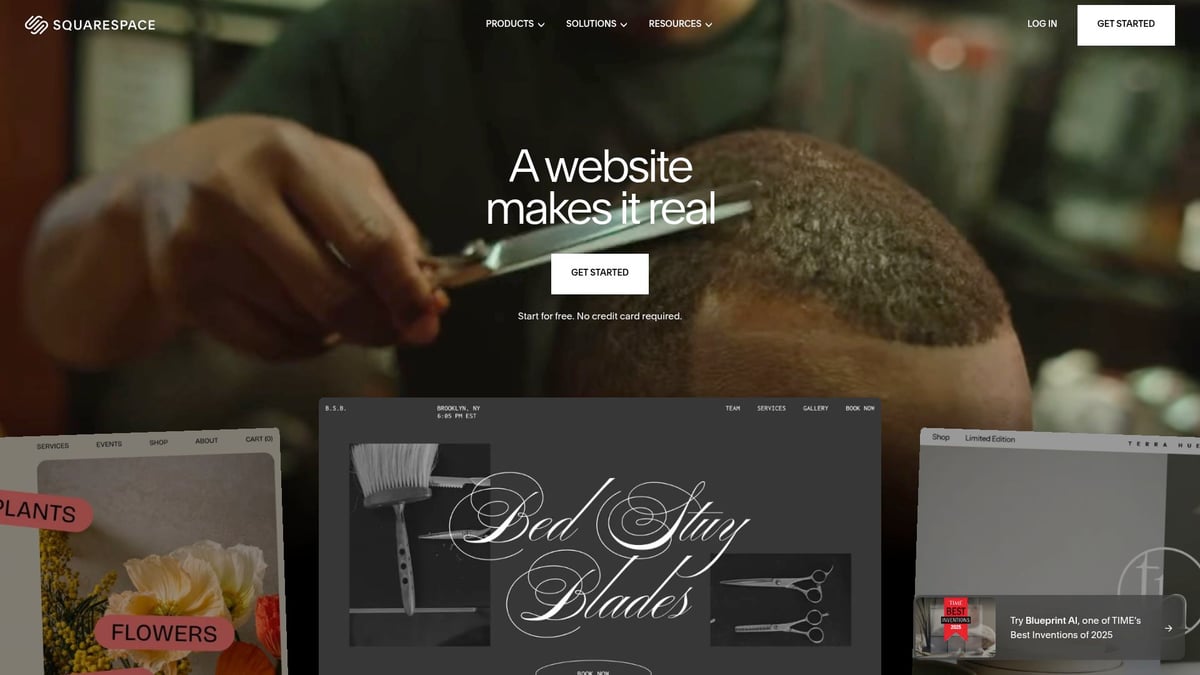
Squarespace is perfect for brands prioritising aesthetics and storytelling in their e commerce web site. Pricing starts at £12 per month, with annual billing up to £79, plus a 14 day free trial. Use code "SU10" for a 10% discount.
Key features:
- 150+ design forward templates
- Built in SEO tools
- Intuitive drag and drop editor
Squarespace excels in creating immersive, narrative driven shopping experiences. It is ideal for creatives, fashion, lifestyle, and boutique businesses wanting their e commerce web site to stand out.
Pros:
- Beautiful, responsive designs
- Easy to use interface
- Strong marketing tools
Cons:
- Fewer advanced e commerce web site features compared to Shopify or Wix
Boutique brands often choose Squarespace for its seamless blend of visuals and commerce. Your e commerce web site becomes a canvas for brand storytelling.
Hostinger – Budget-Friendly, AI-Powered E-Commerce
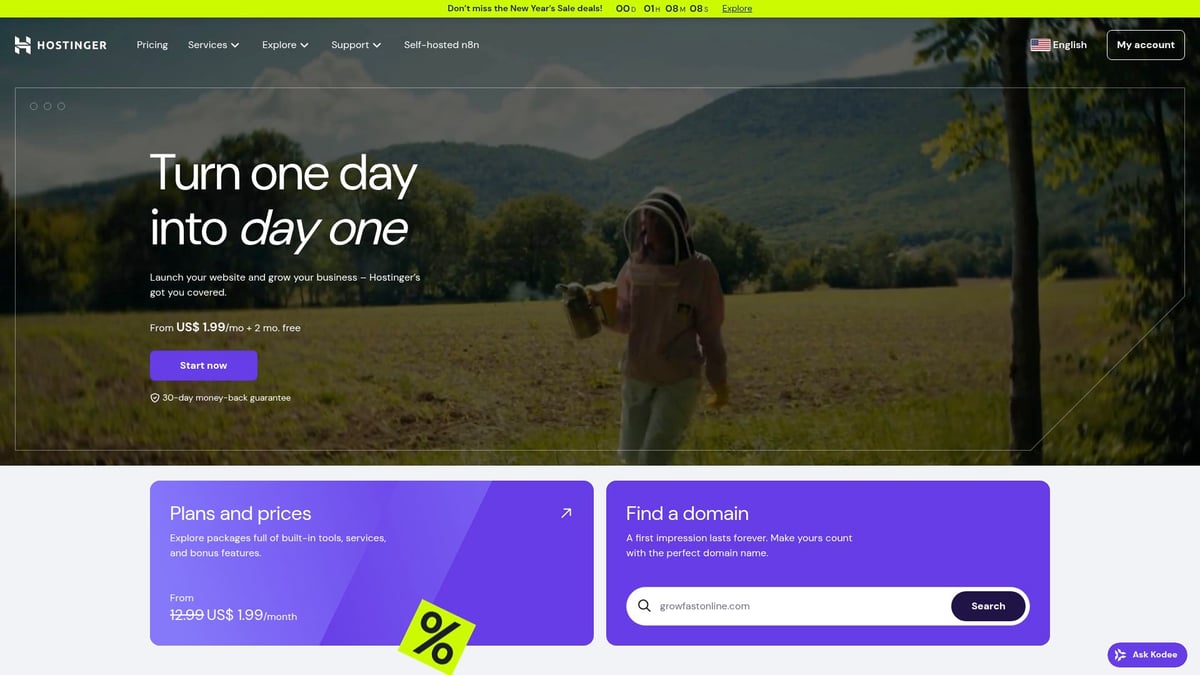
Hostinger offers an e commerce web site solution for startups and small businesses with tight budgets. Prices range from £1.95 to £2.45 per month on a 48 month term, including a 7 day free trial.
Top features:
- 150+ templates for quick launch
- AI business support for automation
- No transaction fees
Hostinger's unique selling point is its affordability. The AI tools streamline store management, making your e commerce web site easier to run. Onboarding is simple, so you can launch quickly.
Pros:
- Cheapest option for new businesses
- AI driven automation features
- Straightforward setup
Cons:
- Limited scalability for larger operations
- Product storage restrictions
Many new e commerce web site ventures use Hostinger to test ideas with minimal risk. It is a smart entry point for those exploring online retail in 2026.
GoDaddy – All-in-One Commerce & Marketing
GoDaddy offers an all in one e commerce web site builder, combining website, store, and marketing in one dashboard. Pricing starts at £13.99 per month, with first term savings and a free plan available.

Core features:
- 150+ customisable templates
- Integrated marketing tools
- Simple store builder
GoDaddy targets small businesses seeking an easy way to manage everything from one place. The platform is user friendly and affordable, making it a popular e commerce web site choice for local retailers.
Pros:
- Unified management for web and marketing
- Easy to use
- Cost effective
Cons:
- Less customisable than other platforms
- Fewer advanced features for scaling
Local retailers benefit from GoDaddy by unifying their web presence and marketing. It enables a cohesive e commerce web site experience without technical headaches.
BigCommerce – Growing Inventory & B2B Powerhouse
BigCommerce is built for medium to large businesses, wholesalers, and B2B sellers that require a powerful e commerce web site. Prices range from $29 to $299 per month (roughly £22–£229), with a 15 day free trial.
Key features:
- 200 professional templates
- Robust inventory and order management
- Advanced B2B functionality
Unique benefits include the ability to manage complex catalogues and no transaction fees. The platform offers strong APIs for customisation, ensuring your e commerce web site can scale as your business grows.
Pros:
- Highly scalable
- Advanced sales and B2B tools
- Flexible integration options
Cons:
- Higher learning curve
- Premium pricing for advanced features
B2B brands and those with large inventories thrive using BigCommerce. Their e commerce web site becomes a central hub for growth and efficiency.
Ruff Idea – Bespoke, SEO-Driven E-Commerce Solutions
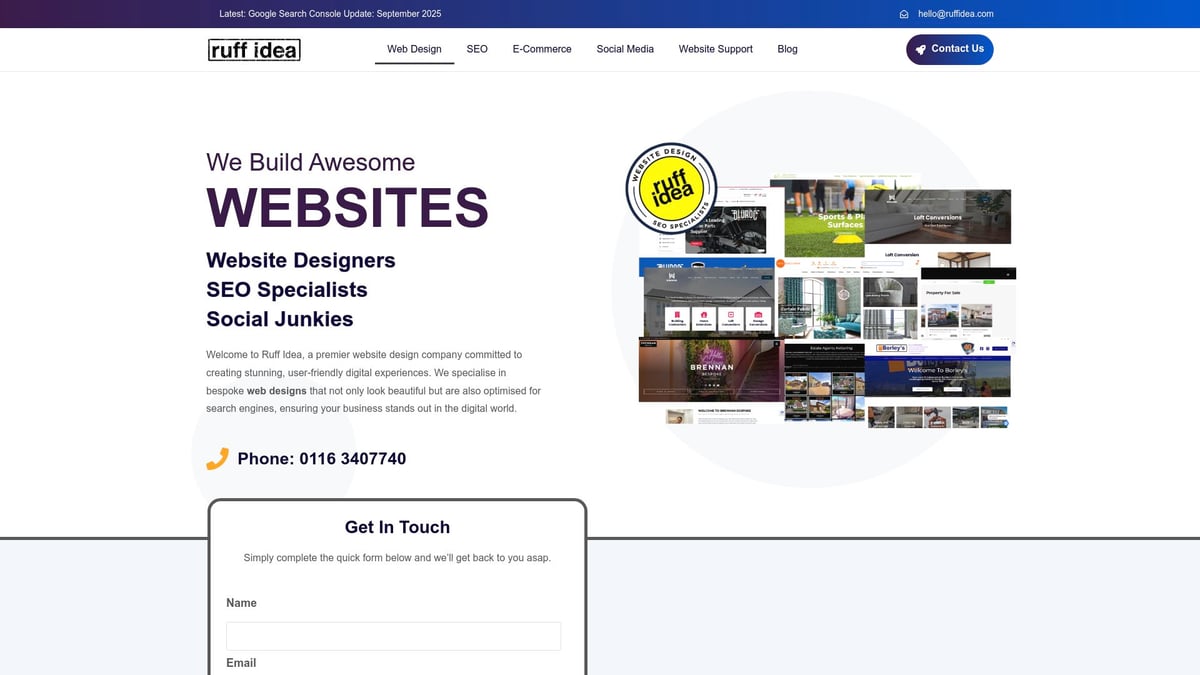
For brands wanting a truly unique e commerce web site, Ruff Idea delivers custom solutions with a focus on SEO and ongoing support. Pricing is based on project scope, with 12 months of support included.
Core features:
- Custom e commerce web site design reflecting brand identity
- Secure payment integration
- SEO optimisation and social media integration
Ruff Idea provides a personalised approach, ensuring every e commerce web site is tailored for sales growth. Expert support and SEO give brands a competitive edge.
Pros:
- Bespoke design and features
- Expert SEO built in
- Comprehensive support
Cons:
- Requires consultation for pricing
- Bespoke builds take longer than templates
Leicestershire retailers and UK brands have scaled online with Ruff Idea’s expertise. To discover more about next generation design approaches, see E-Commerce Web Design Strategies for inspiration.
[AI-First, Personalised Shopping Experiences]
AI-First e commerce web site models are redefining online shopping in 2026. These sites use AI to personalise every aspect of the customer journey, from product recommendations to dynamic pricing and virtual assistants.
Key features:
- Real time data analysis for tailored suggestions
- Conversational commerce with virtual shopping assistants
- Predictive analytics driving unique user journeys
The benefits of this e commerce web site approach are clear. Brands see higher conversion rates and improved customer retention. Personalisation ensures every visitor receives a unique experience.
Pros:
- Future proof technology
- Maximises customer value
- Easily scalable for growth
Cons:
- Requires investment in AI tools
- Must address data privacy compliance
Leading fashion and tech brands are already using AI to create next level e commerce web site experiences. In 2026, personalised shopping is set to become the new standard.
Essential Features Every E-Commerce Website Needs in 2026
Staying competitive in the fast-paced digital marketplace means every e commerce web site must deliver an exceptional user experience. As we move into 2026, the bar for quality and innovation is higher than ever. What features define success for online stores in this new era?
Mobile-First Design & Seamless Checkout
A mobile-first approach is now a non-negotiable standard. With mobile commerce projected to account for 59% of all online retail sales in 2026, ensuring your e commerce web site is fully responsive is crucial. This means layouts must adapt perfectly across devices, offering app-like performance and intuitive navigation.
Speed and security are equally vital. Customers expect lightning-fast load times and frictionless payments. Integrating options like Apple Pay, Google Pay, and one-click checkout dramatically reduces cart abandonment. Secure payment gateways and visible trust signals boost confidence, encouraging more conversions.
For a deeper dive into why these qualities matter, see the Essential Website Qualities for Success, which covers must-have features for any e commerce web site in 2026.
Intelligent Search & Social Proof
Advanced product search and filtering, powered by AI, help shoppers find exactly what they need—fast. Features like voice search, auto-suggestions, and dynamic filters make browsing effortless. AI-driven product recommendations increase average order value and encourage repeat visits.
Social proof has become a cornerstone of modern e commerce web site design. Displaying verified reviews, customer testimonials, and user-generated content builds credibility. Shoppers trust peer feedback, and seeing real experiences can tip the scales toward a purchase.
A quick summary of essential interactive elements:
| Feature | Benefit |
|---|---|
| AI Search/Filtering | Faster product discovery |
| Reviews & Ratings | Builds trust, boosts conversions |
| UGC Integration | Authentic brand engagement |
SEO, Accessibility & Analytics
Visibility is everything. Robust SEO and schema markup ensure your e commerce web site appears prominently in search results. Structured data helps search engines understand your products, increasing click-through rates and organic traffic.
Accessibility is not just a legal requirement; it is a business imperative. Inclusive design practices—such as proper contrast, alt text, and keyboard navigation—ensure everyone can shop with ease.
Real-time analytics dashboards empower you to make data-driven decisions. Tracking user behaviour, conversion rates, and sales trends allows for continuous optimisation. Leading brands use these insights to refine their e commerce web site and outperform competitors.
To understand the impact of mobile optimisation, explore how mobile commerce is shaping the future of online retail.
Real-World Success
Brands excelling in 2026 combine all these elements for maximum impact. Whether it is a boutique launching with seamless checkout or a global retailer leveraging AI search, the essential features above set the foundation for a thriving e commerce web site.
Choosing the Right Platform for Your E-Commerce Vision
Selecting the ideal e commerce web site platform is one of the most pivotal decisions for any business aiming for success in 2026. The options are vast, and the wrong choice can limit your growth or strain your resources. A strategic approach, grounded in your unique goals and customer expectations, is essential.
Assessing Your Needs & Comparing Solutions
Start by defining what your e commerce web site must achieve. Consider your current scale, growth ambitions, and the features you cannot compromise on. Are you a niche retailer, a brand with global aspirations, or a B2B supplier with complex catalogues?
Platforms fall into three main categories: hosted, self-hosted, and bespoke solutions. Each has unique strengths and trade-offs. Hosted platforms like Shopify and Wix offer simplicity and reliability, while self-hosted options such as WooCommerce provide greater flexibility. Bespoke builds deliver custom features and branding but require more resources.
| Solution Type | Pros | Cons |
|---|---|---|
| Hosted | Easy setup, maintenance included | Less control, monthly fees |
| Self-hosted | Flexible, ownership | Technical upkeep, security burden |
| Bespoke | Fully custom, unique branding | Higher cost, longer timelines |
Choosing the right fit ensures your e commerce web site supports your business vision now and into the future.
Evaluating Costs, Support & Scalability
Every e commerce web site comes with both visible and hidden costs. Beyond monthly subscriptions, factor in transaction fees, add-ons, and ongoing maintenance. Scalability is also key; your platform should grow as your business expands, handling more products, traffic, and integrations without friction.
Support and security are non-negotiable. Look for robust customer service, regular updates, and compliance with the latest data protection standards. Accessibility and user experience are equally vital—consider leveraging User-Friendly Website Design Insights to ensure your site is inclusive and intuitive.
By weighing these factors, you can avoid common pitfalls and select a platform that delivers lasting value.
Bespoke vs. Template Builds: Real-World Scenarios
Should you opt for a ready-made template or invest in a bespoke e commerce web site? For startups and small retailers, templates offer cost-effective speed and industry best practices. These are ideal when budgets are tight and rapid deployment is essential.
However, as brands mature or require niche functionality, bespoke builds become attractive. They allow for unique branding, advanced features, and seamless integration with business operations. Expert agencies can guide you through the process, ensuring your investment aligns with your goals.
Consider case studies of businesses that outgrew templates and transitioned to custom solutions, gaining flexibility and competitive edge.
Future-Proofing Your E-Commerce Platform
The digital landscape is evolving rapidly. Your e commerce web site must be adaptable, supporting new technologies like AI-driven personalisation and guided selling. Staying informed on trends such as AI-powered guided selling enhances product discovery helps you remain competitive and meet changing consumer demands.
Invest in platforms that offer regular updates, scalable infrastructure, and easy integration with emerging tools. This future-proofs your investment and positions your business for sustained growth in an ever-changing market.
As we’ve explored, staying ahead in e commerce for 2026 means combining fresh ideas, smart technology, and a user centred approach. Whether you’re keen to launch your own e commerce store or looking to elevate an existing brand, having the right digital partner makes all the difference. At Ruff Idea, we specialise in crafting bespoke, high performing websites that reflect your unique vision and help your business thrive online. Ready to take the next step and discuss how these ideas can transform your e commerce presence? Get in touch and let’s shape your success together.