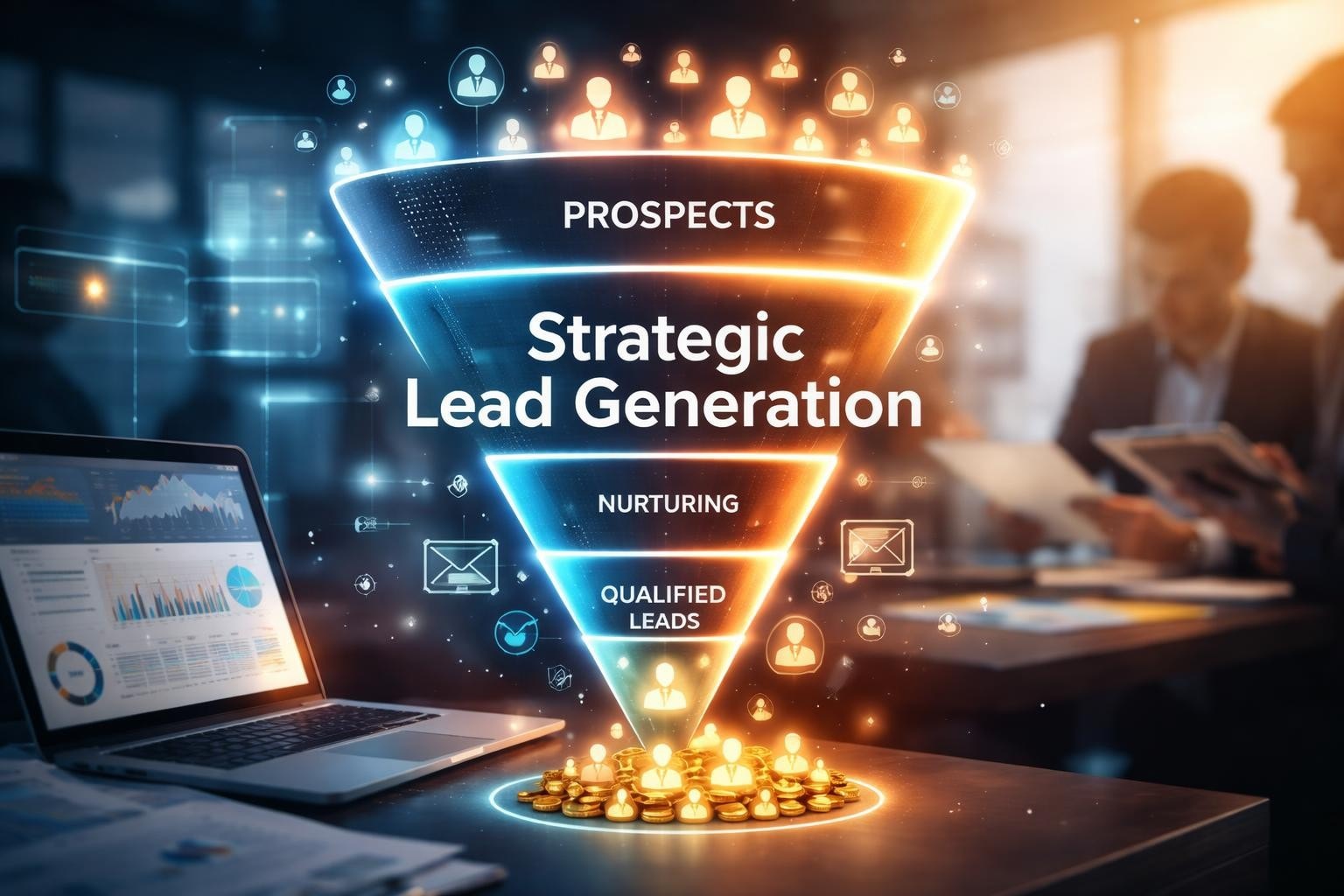
Growing a business demands more than simply waiting for customers to discover your brand. Modern companies need structured, repeatable systems that consistently deliver qualified prospects ready to engage with their products or services. A lead gen agency specialises in building and managing these systems, combining technology, data insights, and strategic expertise to fill sales pipelines with high-quality opportunities. For businesses seeking predictable growth, partnering with professionals who dedicate their efforts to lead generation can transform sporadic enquiries into a steady stream of potential customers.
Understanding What a Lead Gen Agency Actually Does
A lead gen agency focuses exclusively on identifying, attracting, and qualifying potential customers for your business. Unlike traditional marketing firms that may spread efforts across brand awareness and general promotion, these specialists concentrate on measurable actions that directly feed your sales team.
Core Services and Capabilities
The primary objective revolves around creating systems that generate predictable results. Agencies deploy multiple channels and tactics simultaneously:
- Multi-channel outreach programmes including email sequences, LinkedIn campaigns, and targeted advertising
- Database building and prospect research to identify ideal customer profiles
- Landing page creation and optimisation designed specifically for conversion
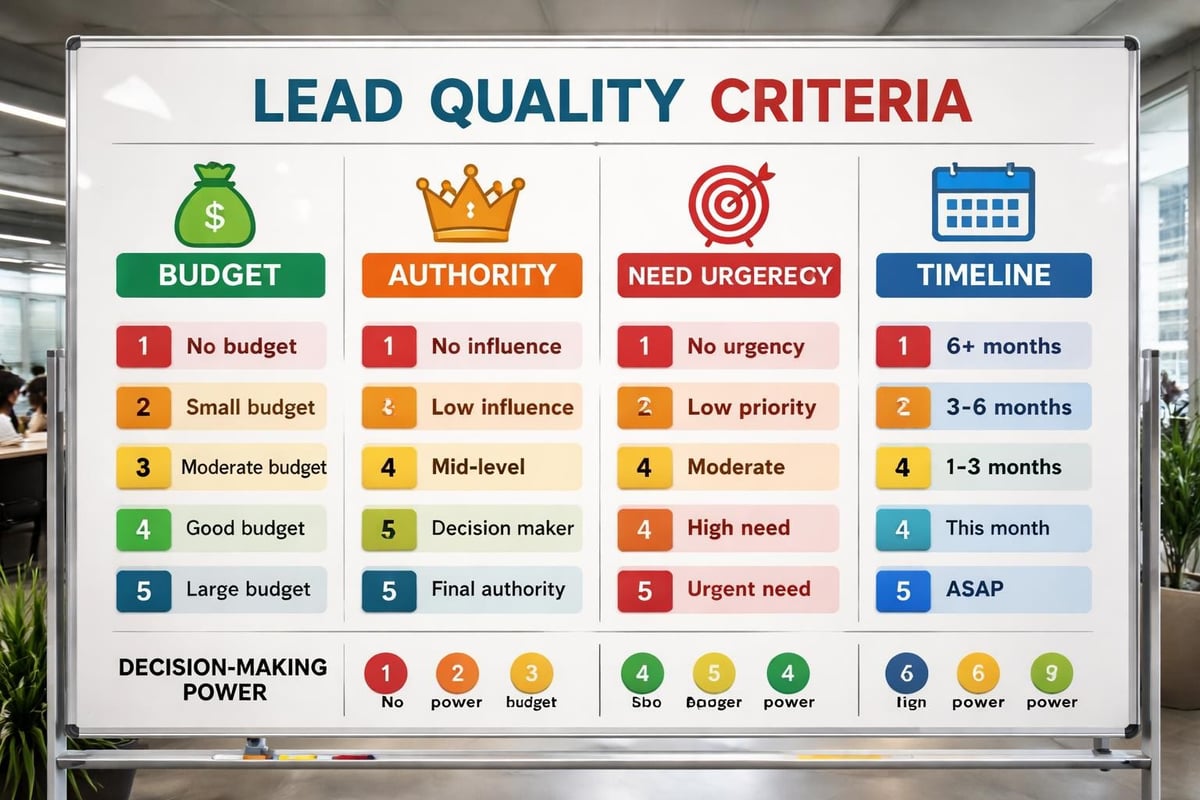
- Lead scoring and qualification to separate high-intent prospects from casual browsers
- CRM integration and management ensuring seamless handover to sales teams
- Performance tracking and reporting with detailed attribution metrics
These services work in concert to create what industry professionals call a "demand generation engine". Rather than one-off campaigns, agencies build sustainable systems that continue producing results month after month.
Technology and Data Infrastructure
Modern lead generation relies heavily on sophisticated tools and platforms. Agencies typically maintain licences for premium software that would prove prohibitively expensive for individual businesses to purchase independently.
| Technology Category | Purpose | Typical Tools |
|---|---|---|
| Automation Platforms | Email sequences, workflow management | HubSpot, Marketo, ActiveCampaign |
| Data Intelligence | Prospect identification, enrichment | ZoomInfo, Clearbit, LinkedIn Sales Navigator |
| Analytics | Performance tracking, attribution | Google Analytics, Mixpanel, custom dashboards |
| CRM Systems | Lead management, sales handoff | Salesforce, Pipedrive, Microsoft Dynamics |
The integration of AI and automation has revolutionised how agencies identify and engage prospects. Machine learning algorithms now predict which leads are most likely to convert, whilst automation handles repetitive tasks like follow-up sequences and data entry.
The Strategic Advantages of Outsourcing Lead Generation
Businesses face a fundamental choice: build internal capabilities or partner with specialists. Whilst some organisations possess the resources to develop in-house teams, most find that external agencies deliver superior results with lower risk.
Immediate Access to Expertise and Systems
Building a competent lead generation function internally requires significant time investment. You need to recruit talent, purchase software, develop processes, and allow months for testing and optimisation. A lead gen agency arrives with all components already functioning.
Consider the learning curve involved in mastering even a single channel like LinkedIn outreach. Effective campaigns require understanding platform algorithms, message sequencing, connection strategies, and compliance with terms of service. Agencies have already invested thousands of hours perfecting these methods.
Cost efficiency emerges as another compelling factor. When calculating the total expense of internal operations, businesses must account for:
- Salaries and benefits for multiple team members
- Software licences and subscriptions (often £3,000-£15,000 monthly)
- Training and professional development
- Management overhead and supervision
- Opportunity cost of slow ramp-up periods
Agencies spread these costs across multiple clients, making professional lead generation accessible to businesses that couldn't justify the full internal infrastructure.
Scalability and Flexibility
Market conditions change. Your business may need to rapidly increase lead volume during growth phases or scale back during quieter periods. Internal teams struggle with this variability, but agencies adapt quickly.
A lead gen agency can deploy additional resources within days rather than the months required to recruit, hire, and train new employees. Similarly, reducing activity doesn't create the awkward personnel decisions associated with downsizing internal teams.
Key Selection Criteria When Evaluating Agencies
Not all lead generation partners deliver equal value. The market contains specialists with proven track records alongside inexperienced operators making unrealistic promises. Comprehensive evaluation of expertise, communication, and technology helps identify which agencies merit serious consideration.
Industry Experience and Specialisation
Generic marketing knowledge doesn't translate directly to effective lead generation. The best agencies demonstrate deep expertise in specific sectors or business models.
Request case studies from companies similar to yours. A lead gen agency that excels at generating enquiries for software-as-a-service businesses may struggle with retail or professional services. Look for evidence of:
- Comparable client profiles in terms of size, market, and complexity
- Documented results with specific metrics rather than vague success claims
- Understanding of your buyer's journey including typical decision-making processes
- Familiarity with your competitive landscape and market dynamics
The most effective partnerships emerge when agencies already understand your prospects' pain points, objections, and motivations.
Transparency in Processes and Reporting
Reputable agencies operate with complete transparency. They should readily explain exactly how they'll generate leads, which channels they'll employ, and how they measure success.
Warning signs include:
- Vague descriptions of methodology
- Reluctance to share performance data
- Promises of specific lead numbers without understanding your business
- Contracts that lock you in without proving results first
Strong agencies provide detailed reporting dashboards accessible in real-time. You should see not just lead volume but quality indicators, cost per lead, conversion rates at each funnel stage, and return on investment calculations.
Alignment With Sales Operations
Current trends in B2B lead generation emphasise seamless integration between marketing and sales functions. The leads an agency generates only create value when your team can efficiently convert them.
Ask potential partners how they:
- Define lead qualification criteria and ensure alignment with your sales team's requirements
- Manage handoff procedures between marketing and sales
- Gather feedback loops from sales conversations to refine targeting
- Adjust campaigns based on closed-won analysis rather than just lead volume
The best agencies view themselves as extensions of your sales organisation rather than separate marketing contractors.
Contemporary Lead Generation Methodologies
The discipline evolves rapidly as new technologies emerge and buyer behaviours shift. Understanding current methodologies helps you evaluate whether potential partners employ modern, effective tactics.
Account-Based Marketing at Scale
Traditional lead generation cast wide nets, generating large volumes of prospects and filtering for quality afterwards. Account-based marketing flips this approach, identifying specific high-value accounts first, then creating personalised campaigns to engage decision-makers within those organisations.
A lead gen agency implementing ABM will:
- Research and select target accounts based on firmographic data and intent signals
- Map organisational structures to identify key stakeholders
- Create customised content addressing specific company challenges
- Orchestrate multi-touch campaigns across channels
- Measure engagement at the account level rather than individual contacts
This precision approach typically generates fewer total leads but dramatically higher conversion rates and deal values.
Intent Data and Predictive Analytics
Modern agencies leverage sophisticated signals indicating when prospects actively research solutions. Intent data reveals which companies are currently in-market based on their digital behaviours.
| Intent Signal Type | What It Reveals | Application |
|---|---|---|
| Search behaviour | Active problem recognition | Timing for outreach |
| Content consumption | Specific pain points and interests | Message personalisation |
| Competitive research | Purchase timeline and alternatives considered | Positioning strategy |
| Technographic data | Current systems and integration needs | Solution fit assessment |
By focusing efforts on prospects already demonstrating buying signals, agencies dramatically improve efficiency and reduce wasted outreach to uninterested targets.
Omnichannel Orchestration
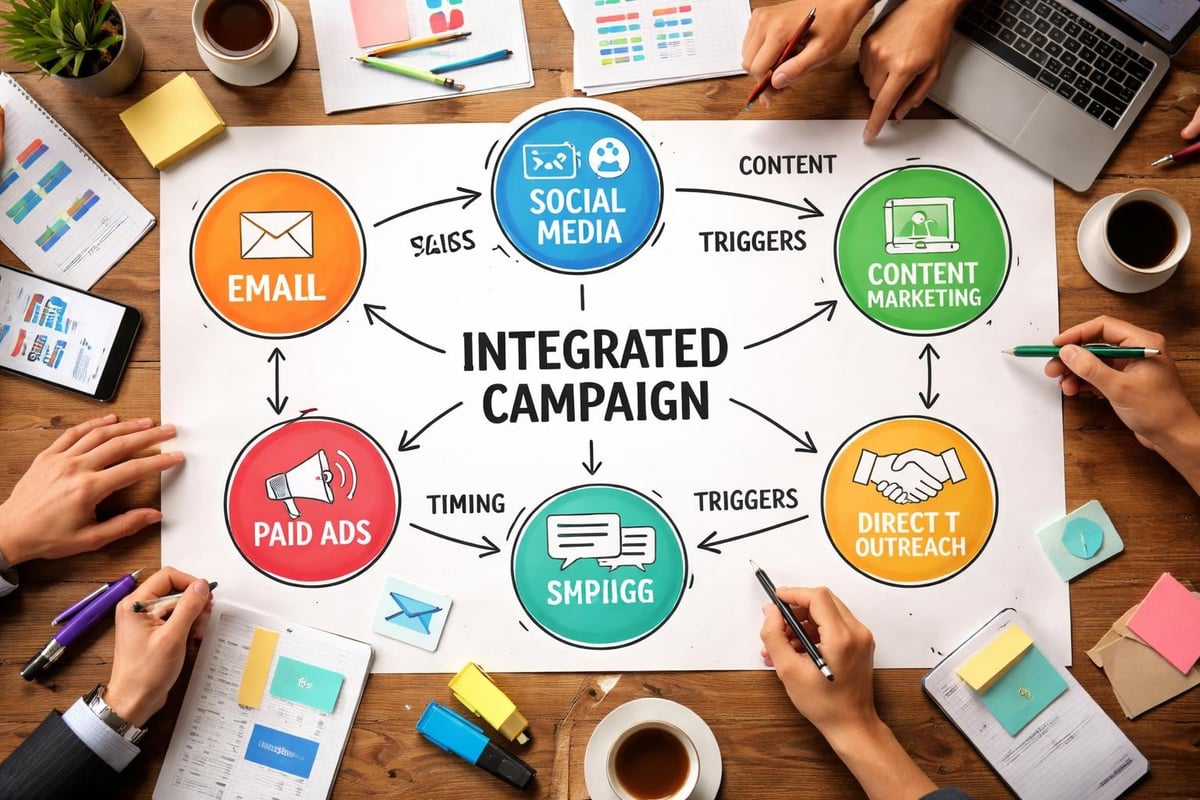
Relying on any single channel creates vulnerability and limits reach. Professional agencies orchestrate coordinated campaigns across multiple touchpoints:
- Initial awareness through targeted content marketing or paid advertising
- Engagement nurturing via email sequences and retargeting
- Direct outreach using LinkedIn, phone, or postal mail for high-value prospects
- Social proof development through case studies and testimonials
- Conversion optimisation with landing pages and lead magnets
This layered approach recognises that modern buyers consume information across numerous platforms before making decisions. A lead gen agency coordinates messaging consistency whilst adapting format and content to each channel's unique characteristics.
Measuring Success and Return on Investment
Determining whether a lead gen agency delivers value requires establishing clear metrics before engagement begins. Sophisticated measurement extends beyond simply counting leads.
Essential Performance Indicators
Different businesses prioritise different metrics based on their sales cycles and business models. Common KPIs include:
- Lead volume – Total number of prospects entering the pipeline
- Lead quality scores – Percentage meeting qualification criteria
- Cost per lead (CPL) – Total spend divided by leads generated
- Marketing qualified leads (MQLs) – Prospects meeting specific engagement thresholds
- Sales qualified leads (SQLs) – Leads sales teams accept as worth pursuing
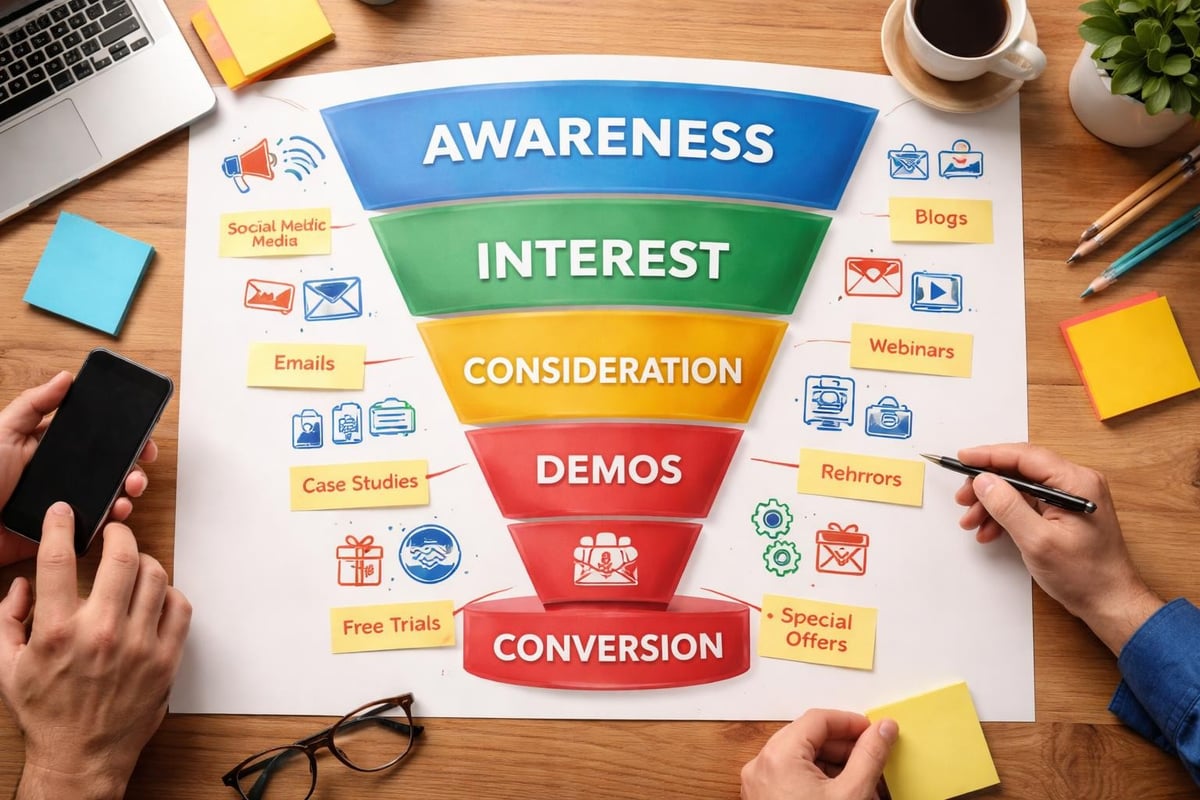
- Conversion rates – Percentage progressing through funnel stages
- Customer acquisition cost (CAC) – Total marketing and sales cost per new customer
- Lifetime value to CAC ratio – Long-term profitability of acquired customers
Premium agencies help you establish baseline metrics, then demonstrate continuous improvement over time. They understand that developing lead scoring systems creates shared language between marketing and sales whilst improving efficiency.
Attribution and Revenue Impact
The ultimate measure examines how generated leads contribute to actual revenue. Multi-touch attribution models track prospect interactions across the entire journey from first awareness through closed deal.
A sophisticated lead gen agency implements tracking that reveals:
- Which channels initiated relationships with eventual customers
- What content pieces influenced purchase decisions
- How many touches occurred before conversion
- Which campaign elements delivered highest ROI
This data informs budget allocation and strategic refinement, ensuring resources flow toward highest-performing tactics.
Building Effective Agency Partnerships
Success requires active collaboration rather than passive outsourcing. The most productive relationships treat agencies as strategic partners rather than mere vendors.
Establishing Clear Communication Protocols
Regular interaction ensures campaigns remain aligned with business objectives and market realities. Effective partnerships typically include:
- Weekly performance reviews examining key metrics and flagging issues
- Monthly strategic sessions discussing trends, opportunities, and adjustments
- Quarterly business reviews evaluating overall programme effectiveness
- Ad-hoc consultation for time-sensitive opportunities or challenges
Agencies should assign dedicated account managers who understand your business deeply. Rotating contacts or generic service delivery undermines the strategic value agencies can provide.
Providing Market Intelligence and Feedback
Your agency operates most effectively when armed with current information about your market, products, and competitive positioning. Share:
- Customer feedback and common objections
- Product updates and new offerings
- Competitive intelligence and market shifts
- Sales team observations about lead quality
- Win/loss analysis from closed opportunities
This intelligence allows the lead gen agency to refine targeting, messaging, and qualification criteria continuously. The feedback loop transforms static campaigns into dynamic, ever-improving systems.
Realistic Expectations and Timeline
Lead generation rarely produces instant results. Quality programmes require time for testing, optimisation, and relationship development. Expect:
- Months 1-2: Strategy development, campaign setup, initial testing
- Months 3-4: Data collection, refinement based on early performance
- Months 5-6: Optimised campaigns producing consistent flow
- Months 7+: Scaling successful tactics and exploring new channels
Agencies that promise hundreds of qualified leads within weeks likely employ questionable tactics that damage brand reputation or generate low-quality contacts.
Emerging Developments Shaping the Industry
The lead generation landscape continues evolving as technologies advance and buyer preferences shift. Forward-thinking agencies stay ahead of these trends.
Privacy-First Marketing Approaches
Regulatory changes and platform policies increasingly restrict traditional tracking and targeting methods. Cookies are disappearing, data privacy laws are expanding, and consumers demand greater control over personal information.
Modern agencies adapt through:
- First-party data collection strategies
- Contextual rather than behavioural targeting
- Transparent value exchanges for information
- Privacy-compliant tracking implementations
This shift actually benefits businesses willing to invest in genuine relationships rather than intrusive surveillance-based marketing.
AI-Powered Personalisation
Artificial intelligence enables previously impossible levels of personalisation at scale. A lead gen agency leveraging AI can:
- Generate customised email copy for thousands of prospects
- Predict optimal outreach timing for individual contacts
- Recommend next-best actions based on engagement patterns
- Identify emerging topics and trends in prospect communications
However, effective implementation balances automation efficiency with authentic human connection. The best agencies use AI to enhance rather than replace personal touch.
Community-Led Growth Models
Partnerships and referrals remain powerful lead sources, with warm introductions converting at significantly higher rates than cold outreach. Progressive agencies now build community engagement into lead generation strategies.
This includes facilitating peer networks, hosting industry events, creating member-exclusive content, and nurturing advocate programmes. Whilst these tactics produce slower initial results, they generate higher-quality leads with better long-term value.
Selecting the right lead gen agency requires careful evaluation of expertise, methodologies, and cultural fit. The most successful partnerships combine specialised knowledge with transparent processes and aligned incentives, creating sustainable systems that consistently deliver qualified prospects to fuel business growth. At Ruff Idea, we understand that effective lead generation starts with a strong digital foundation-our bespoke websites combine striking design with SEO optimisation and strategic architecture that captures attention and converts visitors into valuable enquiries. Whether you need a complete digital presence overhaul or targeted improvements to support your growth objectives, our Leicestershire team delivers solutions that perform as beautifully as they look.