In 2026, the world of paid search is more competitive and complex than ever before. As algorithms evolve and data privacy reshapes digital marketing, businesses face new challenges in standing out and securing results.
This guide is designed for those who want to get ahead with actionable, up-to-date strategies for PPC success. Whether your goal is to boost sales, generate leads, or increase brand visibility, you will find practical tactics tailored for measurable ROI.
You will discover the latest trends in paid search, from AI-driven automation to campaign setup best practices. We will also cover advanced targeting, performance measurement, and future-proofing your approach for what lies ahead.
Ready to outpace your competition? Dive in and equip yourself with smarter tools and frameworks for paid search excellence in 2026.
The Evolution of Paid Search: What’s New in 2026?
The world of paid search is transforming rapidly, creating fresh challenges and opportunities for marketers. In 2026, businesses must adapt to platform updates, automation, privacy shifts, and changing user behaviour to stay ahead. Understanding these changes is essential for building a future-proof paid search strategy.
Key Changes in Paid Search Platforms
Paid search platforms have seen sweeping updates in 2026. Google Ads and Microsoft Advertising now prioritise AI-driven campaign management, reducing the need for manual adjustments. Emerging platforms offer new opportunities, but they also demand more data sophistication.
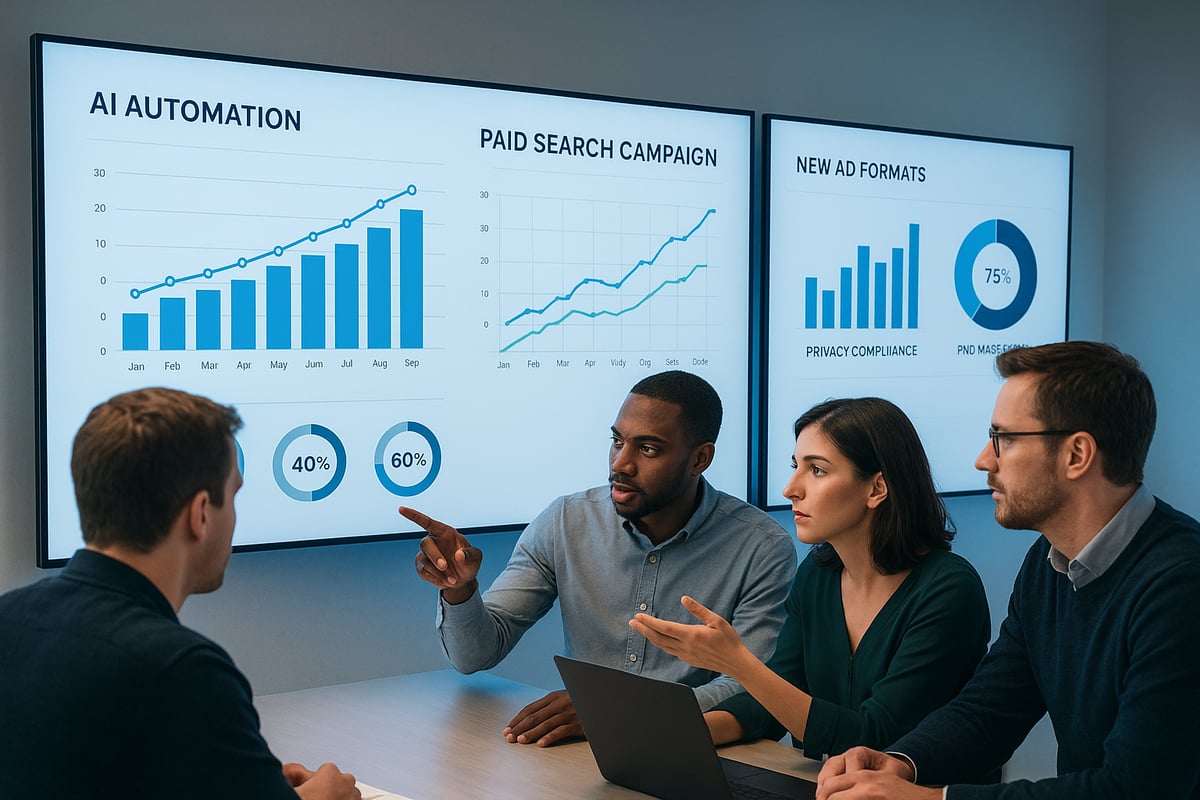
AI automation is now a central feature, with over 60 percent of paid search campaigns in 2025 relying on automated optimisation. This shift allows marketers to focus on strategy rather than routine tasks. Meanwhile, privacy regulations have tightened, affecting how data is collected and used for targeting. Advertisers must now rely on first-party data, as third-party cookies are no longer supported.
New ad formats, such as Performance Max and dynamic search ads, offer broader reach and improved personalisation. These formats have shown higher engagement rates, especially on mobile devices. User behaviour is also shifting, with more searches coming from mobile and voice-enabled devices. Intent signals are more nuanced, requiring deeper analysis.
For example, the 2026 Google Ads update requires businesses to integrate first-party data for optimal campaign performance. Adapting to these changes ensures that your paid search efforts remain effective.
The Role of AI and Machine Learning in PPC
Artificial intelligence is revolutionising paid search. Automated bidding strategies, powered by machine learning, now set bids in real time, maximising return on investment. Predictive analytics help marketers anticipate trends and adjust their campaigns before the competition.
AI-driven audience segmentation allows for highly personalised targeting. Brands can serve tailored ads to different audience segments based on behaviour, preferences, and past interactions. Machine learning also powers smart creative optimisation, testing multiple ad variations to identify top performers.
A recent case study showed a brand using AI-powered bidding achieved a 25 percent lower cost per acquisition. Manual campaign management is no longer efficient, as automation delivers faster, more precise results. To explore the latest tools enabling this shift, see the Best AI Tools for 2026.
AI is now essential for creative testing, fraud detection, and scaling campaigns. Adopting these technologies in your paid search strategy will drive measurable growth.
Privacy, Data, and Attribution in a Cookieless World
The paid search landscape is now defined by privacy-first strategies. First-party data has become the foundation for targeting and measurement, as advertisers can no longer rely on third-party tracking. Success depends on collecting and activating data from your own website, CRM, and app users.
Attribution models have evolved as well. Data-driven attribution is now the industry standard, replacing last-click models. This change provides a more accurate view of the customer journey, allowing marketers to optimise spend across multiple touchpoints.
Privacy-safe tracking, like server-side tagging and robust consent management, is critical for compliance. Leading brands are shifting from last-click to multi-touch attribution, gaining deeper insights into campaign performance.
Marketers must strike a balance between privacy compliance and paid search effectiveness. Staying informed and agile will help your business thrive in a cookieless world.
Building a High-Performance PPC Campaign: Step-by-Step in 2026
Launching a high-performing paid search campaign in 2026 requires a structured approach. Each step, from goal-setting to analytics, builds a foundation for measurable success. Let us break down the process so you can confidently navigate the complexities of modern paid search.
Step 1: Defining Clear PPC Goals and KPIs
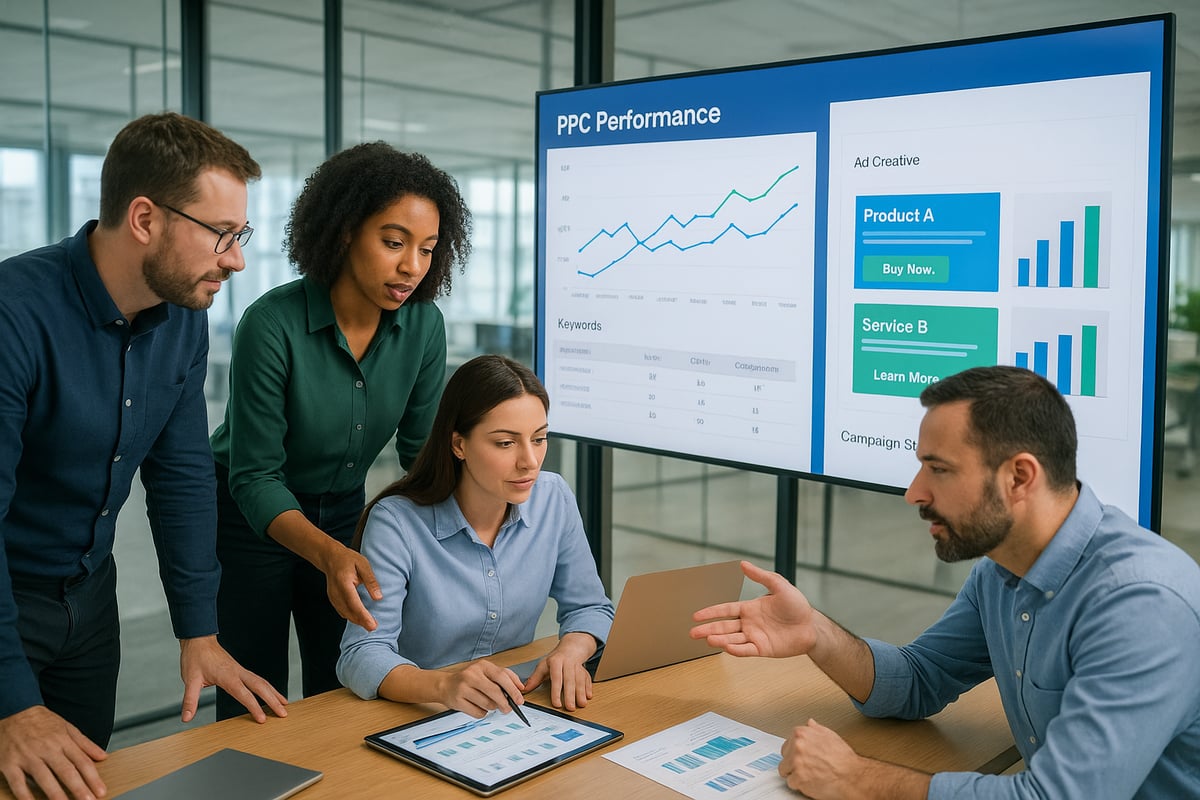
Effective paid search begins with precise goal-setting. Align your PPC objectives with overall business outcomes, whether you are targeting sales, lead generation, or brand awareness. Set SMART goals—specific, measurable, achievable, relevant, and time-bound—to ensure clarity and focus.
For instance, instead of simply aiming to "increase sales," set a target such as "achieve a 20% increase in online sales via paid search over the next quarter." Measurable KPIs are crucial for tracking progress. Common KPIs include:
- Return on Ad Spend (ROAS)
- Cost Per Acquisition (CPA)
- Conversion Rate
- Impression Share
According to industry data, 72% of top-performing paid search campaigns establish clear, measurable KPIs from the outset. For more tips on setting up effective campaigns, you may find this guide on How to Succeed on Google Ads helpful.
By defining your goals and KPIs, you create a roadmap for your paid search strategy, ensuring every pound is spent with purpose.
Step 2: Advanced Keyword Research and Intent Mapping
In 2026, advanced keyword research is essential for paid search success. AI-powered tools now analyse user intent more deeply than ever, letting you identify high-value keywords that align with your audience’s needs.
Focus on a mix of keyword types:
- High-value core keywords
- Long-tail phrases
- Voice search queries
Intent mapping takes this further, connecting each keyword to a specific stage of the buyer’s journey. For example, a health food brand might target "healthy snacks near me" for high-conversion local intent. Intent-based targeting consistently outperforms broad match strategies in paid search, ensuring budget efficiency and higher engagement.
With user behaviours shifting and AI-driven tools evolving, staying ahead in paid search means continuously refining your keyword and intent strategies.
Step 3: Crafting Compelling, Conversion-Focused Ad Copy
Ad copy is your first impression in paid search. In 2026, personalisation is delivered at scale using dynamic ad customisers and data-driven insights. Tailor your messaging to resonate with distinct audience segments for maximum relevance.
Utilise ad extensions such as:
- Sitelinks
- Callouts
- Structured snippets
These increase your visibility and click-through rates. A/B testing remains vital—run multiple versions of your ads to discover what converts best. For example, a retailer might boost CTR by 18% using dynamic countdown timers to create urgency.
Emotional triggers and clear calls to action in your paid search ad copy drive more conversions, helping your campaign stand out in a crowded marketplace.
Step 4: Designing Landing Pages That Convert
A seamless landing page experience is key to paid search performance. Prioritise speed, mobile optimisation, and a clear visual hierarchy. Ensure your landing pages load quickly and display perfectly on all devices, as Google places high value on landing page experience in Quality Score calculations.
Integrate trust signals such as:
- Customer reviews
- Security badges
- Recognisable payment logos
These elements reassure visitors and reduce friction. For example, an e-commerce site saw a 30% reduction in bounce rate after redesigning its landing pages for better usability.
By aligning your landing page content with paid search intent, you boost conversion rates and maximise the impact of your campaigns.
Step 5: Setting Up Tracking, Analytics, and Attribution
Robust tracking is the backbone of paid search optimisation. Implement server-side tracking and enhanced conversions to capture accurate data in a privacy-first landscape. Integrate Google Analytics 4 to monitor and analyse paid search performance across channels.
Selecting the right attribution model is also crucial. Data-driven attribution is now standard, giving a more accurate view of how different touchpoints contribute to conversions. A B2B company, for instance, improved lead quality significantly by switching to this model.
Accurate tracking and attribution empower you to make informed decisions, ensuring your paid search efforts deliver measurable, scalable results.
Advanced Targeting and Audience Strategies for Smarter PPC
Success in paid search now hinges on reaching the right audience with precision and relevance. As 2026 brings new tools and smarter data, mastering audience targeting is critical for paid search campaigns that drive real results. Let us explore how to use advanced targeting to outperform your competition.

Leveraging First-Party Data and Customer Match
First-party data has become essential for paid search targeting. By collecting data directly from your website, CRM, or app, you can build highly relevant custom audiences. Customer Match allows you to upload these lists into ad platforms, making it possible to serve tailored ads to your most valuable customers.
For best results, segment your customer lists by behaviour and value. For example, a SaaS brand can target active users with upsell offers, while re-engaging dormant accounts with special promotions. According to Sprinklr, customer match campaigns deliver conversion rates twice as high as standard targeting.
Investing in robust first-party data strategies ensures your paid search efforts remain effective, even as privacy regulations restrict access to third-party data.
Harnessing In-Market, Affinity, and Similar Audiences
Paid search platforms now offer sophisticated audience options. In-market audiences target users actively researching products or services like yours. Affinity audiences tap into broader interests, such as healthy living or technology.
Creating similar (lookalike) audiences helps you reach new potential customers who share traits with your top clients. A local trades business, for instance, can expand its reach by building lookalikes based on high-value customer data.
For integrated strategies and broader digital marketing context, see Digital Network Marketing Insights. Leveraging these audience segments allows you to scale your paid search campaigns while maintaining relevance and efficiency.
Geo-Targeting and Local PPC Tactics
With the evolution of paid search, geo-targeting has become more granular. Location-based businesses can now target users at the city, postcode, or even neighbourhood level, ensuring ads appear only to those most likely to convert.
Ad scheduling and bid adjustments by region help optimise spend. For instance, a restaurant chain can boost reservations with city-specific campaigns during peak dining hours. By understanding local trends and behaviours, you can craft messages that resonate with each audience segment.
Hyperlocal targeting is especially powerful for mobile users searching for services nearby, making every paid search impression count.
Exclusion and Negative Audience Strategies
Efficient paid search campaigns also rely on knowing whom not to target. Using negative keywords prevents your ads from showing for irrelevant queries, protecting your budget from wasted clicks.
Audience exclusions allow you to omit users who have already converted, or those outside your target market. For example, an e-commerce brand reduced irrelevant clicks by 22% by refining its negative keyword lists and excluding existing customers from acquisition campaigns.
Regularly reviewing and updating your exclusions ensures your paid search budget is always directed toward high-potential prospects, maximising ROI and campaign performance.
Automation, AI, and Smart Bidding: Maximising Efficiency
Automation and artificial intelligence are transforming paid search, driving efficiency and smarter decision-making at scale. In 2026, businesses that embrace these innovations gain a distinct advantage, freeing up time for strategy while improving campaign performance.
The Rise of Automated Campaigns and Bidding
Paid search platforms like Google Ads and Microsoft Advertising now offer powerful automation features. Automated campaigns, such as Performance Max, handle everything from bidding to targeting and creative adjustments. This shift allows marketers to scale campaigns efficiently, reducing manual workload and improving results.
The benefits of automation include real-time bid adjustments, continuous learning, and rapid response to market changes. However, full automation also poses risks, such as reduced transparency and potential over-reliance on algorithms. Striking the right balance is key.
Recent statistics highlight the rapid pace of change. According to AI adoption in PPC campaigns, 75% of PPC professionals now use AI for campaign management, ad copywriting, and optimisation. This widespread adoption reflects the essential role automation plays in modern paid search.
Smart Bidding Strategies for 2026
Smart bidding is central to paid search success in 2026. Automated strategies like target CPA (cost per acquisition), target ROAS (return on ad spend), and value-based bidding use machine learning to maximise results based on your goals.
Here’s a quick comparison:
| Bidding Strategy | Best For | Key Benefit |
|---|---|---|
| Target CPA | Lead generation | Lower cost per lead |
| Target ROAS | E-commerce, revenue focus | Maximise sales value |
| Value-based | Complex, multi-step journeys | Bids by conversion value |
Manual bidding still has its place, especially for niche campaigns or when testing new markets. However, automated bidding now outperforms manual methods in most scenarios, providing faster optimisation and better alignment with business objectives.
The right bidding strategy depends on your paid search goals, budget, and data signals. Regularly review performance and adjust settings as platforms evolve.
Creative Automation and Dynamic Ad Personalisation
Automation extends beyond bidding into creative optimisation. Tools like dynamic search ads, responsive ad formats, and AI-powered creative testing enable marketers to personalise messages at scale. Machine learning analyses user behaviour, then serves the most relevant ad variation for each searcher.
Dynamic ad feeds let you update offers, prices, or products instantly, ensuring your paid search ads are always current. Automated creative testing identifies high-performing headlines, calls to action, and visuals without manual intervention.
Benefits of creative automation:
- Faster testing cycles and insights
- Consistent brand messaging across campaigns
- Increased relevance for diverse audiences
Leveraging these tools allows your paid search campaigns to remain agile and effective, even as user preferences shift.
Human Oversight: When and Why It Still Matters
Despite the power of automation, human expertise remains vital in paid search. Regular account audits uncover hidden issues, and manual adjustments resolve anomalies that automation might miss. Strategic input is essential for creative direction, campaign structure, and interpreting nuanced data.
Human oversight ensures campaigns align with business goals, brand values, and compliance requirements. Marketers also play a key role in testing new features, responding to emerging trends, and refining messaging.
In summary, the future of paid search is a partnership between automation and human insight. By combining smart tools with expert judgement, businesses can maximise efficiency and achieve sustained growth in a fast-evolving landscape.
Measuring, Optimising, and Scaling PPC Performance
To achieve consistent results with paid search, businesses must adopt a disciplined approach to monitoring, refining, and expanding their campaigns. The right measurement and optimisation strategies turn data into actionable insights, powering smarter decisions and stronger ROI.
Setting Up Robust PPC Reporting and Dashboards
Effective paid search management begins with comprehensive reporting. Marketers should track key performance indicators, such as click-through rate (CTR), conversion rate, cost per acquisition (CPA), and return on ad spend (ROAS).
Automated dashboards, like those in Google Data Studio or Looker, consolidate data from multiple sources for real-time visibility. Integrating these tools saves time and reduces manual errors.
For clarity, use structured tables to compare campaign metrics:
| Metric | Target Value | Actual Value |
|---|---|---|
| CTR | 5% | 5.4% |
| Conversion Rate | 8% | 9.1% |
| CPA | £30 | £27 |
| ROAS | 400% | 420% |
Regularly reviewing these reports highlights trends and uncovers opportunities for improving paid search results.
Conversion Rate Optimisation (CRO) for PPC
Optimising conversion rates is crucial for maximising return from paid search investments. A/B testing landing pages and ad creatives helps identify high-performing variations.
Heatmaps and user behaviour analytics reveal friction points on landing pages. Removing obstacles, such as slow load times or unclear calls to action, can dramatically boost conversions.
Consider these CRO tactics:
- Test headlines, images, and form lengths.
- Add trust signals, like security badges and reviews.
- Use concise, benefit-driven copy.
A lead generation website, for example, can double its conversions by systematically applying CRO best practices to each stage of the paid search funnel.
Budget Allocation and Scaling Strategies
Scaling paid search campaigns requires a strategic approach to budget distribution. Identify top-performing campaigns by analysing conversion data and impression share.
Allocate additional budget to ads delivering the best results, but set limits to prevent overspending. Adjust budgets seasonally or during special events to capitalise on increased demand.
Key strategies include:
- Reallocating 20% of spend monthly based on performance.
- Increasing bids for high-value keywords.
- Pausing underperforming ad groups.
This disciplined process ensures that paid search investments are continually optimised for growth.
Continuous Learning: Keeping Up with PPC Trends
The paid search landscape evolves rapidly, requiring marketers to stay informed about new tools, platform updates, and best practices. Subscribe to industry blogs, attend webinars, and participate in training sessions for ongoing development.
Leveraging up-to-date resources, such as the 2024 SEO Trends for Success, provides valuable insights into emerging trends that impact both paid and organic search.
Encouraging a culture of experimentation and knowledge sharing helps teams adapt to changes and maintain a competitive edge in paid search.
Future-Proofing Your Paid Search Strategy: Trends to Watch
Staying ahead in paid search requires more than just best practice, it demands a keen eye on the horizon. As technology and user expectations evolve, so too should your approach. Future-proofing your paid search strategy is about anticipating change and being ready to adapt, ensuring your campaigns remain both competitive and compliant.
Voice, Visual, and Conversational Search in PPC
Voice search has moved from novelty to necessity, with more users relying on smart speakers and mobile assistants for shopping and information. This shift impacts paid search by introducing new keyword types and intent signals. Visual search, such as Google Lens, is also gaining traction, enabling users to discover products by uploading images instead of typing queries.
To capitalise on these trends, brands must optimise paid search campaigns for conversational queries and image-based searches. For example, retailers are already leveraging visual ads to connect with shoppers looking for inspiration through photos. Embracing these formats ensures your paid search strategy is accessible across all the ways users now search.
Cross-Channel Integration: PPC, Social, and Beyond
The boundaries between paid search, social media, and display advertising are blurring. Modern consumers interact with brands across multiple platforms before making decisions. Integrating paid search with social campaigns enables a seamless user experience, reinforcing your message and boosting brand recall.
Omnichannel strategies are proving effective, as paid search data can inform social targeting and vice versa. For instance, synchronising messaging across platforms ensures users see consistent offers wherever they engage. By coordinating your paid search activity with other digital channels, you create more touchpoints and improve conversion rates.
Privacy, AI, and the Future of Attribution
Privacy regulations are reshaping the landscape of paid search. Stricter data protection laws and the decline of third-party cookies have made first-party data vital for targeting and measurement. Marketers must balance compliance with performance, adopting privacy-safe tracking and robust consent management.
Attribution models are also evolving, with data-driven attribution replacing outdated last-click methods. According to Impact of privacy laws on PPC advertising, 88% of advertisers expect significant impacts from new privacy laws, highlighting the need for adaptive strategies. Leveraging AI for attribution and personalisation keeps your paid search campaigns effective in a privacy-first world.
Expert Predictions for PPC in 2027 and Beyond
Industry leaders agree: agility and adaptability will define paid search winners in the years ahead. The future will see even greater automation, with AI handling everything from bidding to creative generation. Large language models are expected to play a greater role in crafting ads that resonate with diverse audiences.
Expect more immersive ad formats, deeper integrations between platforms, and a continued focus on measuring true business outcomes. By staying informed and ready to test new approaches, you ensure your paid search strategy remains resilient against whatever the future brings.
Partnering with a Digital Agency for PPC Success
Succeeding in paid search requires more than just setting up campaigns and hoping for the best. The landscape is evolving rapidly, making it crucial to have access to specialist knowledge and advanced tools. This is where partnering with a dedicated PPC agency delivers a tangible edge.
Why Work with a Specialist PPC Agency?
A specialist PPC agency provides a wealth of experience and strategic insight, ensuring your paid search campaigns are set up for measurable success. Agencies have access to the latest industry tools and stay ahead of frequent platform updates, allowing you to benefit from cutting-edge techniques.
What sets agencies apart is their commitment to continuous optimisation. They monitor performance trends, adjust bids, and test creative elements to maximise your return on investment. For many businesses, this leads to significant improvements in campaign efficiency and results.
When choosing a paid search partner, look for:
- Transparent communication and regular reporting
- Proven track record of delivering results
- Strategies tailored to your business objectives
A local business recently achieved a threefold increase in ROI after engaging with a PPC agency, highlighting the impact professional guidance can have on growth.
Ruff Idea: Your Local PPC & Digital Marketing Experts
Ruff Idea is a Leicestershire-based digital agency with deep expertise in paid search management. Their team delivers bespoke PPC solutions, covering every stage from keyword research and ad creation to ongoing optimisation and detailed reporting.
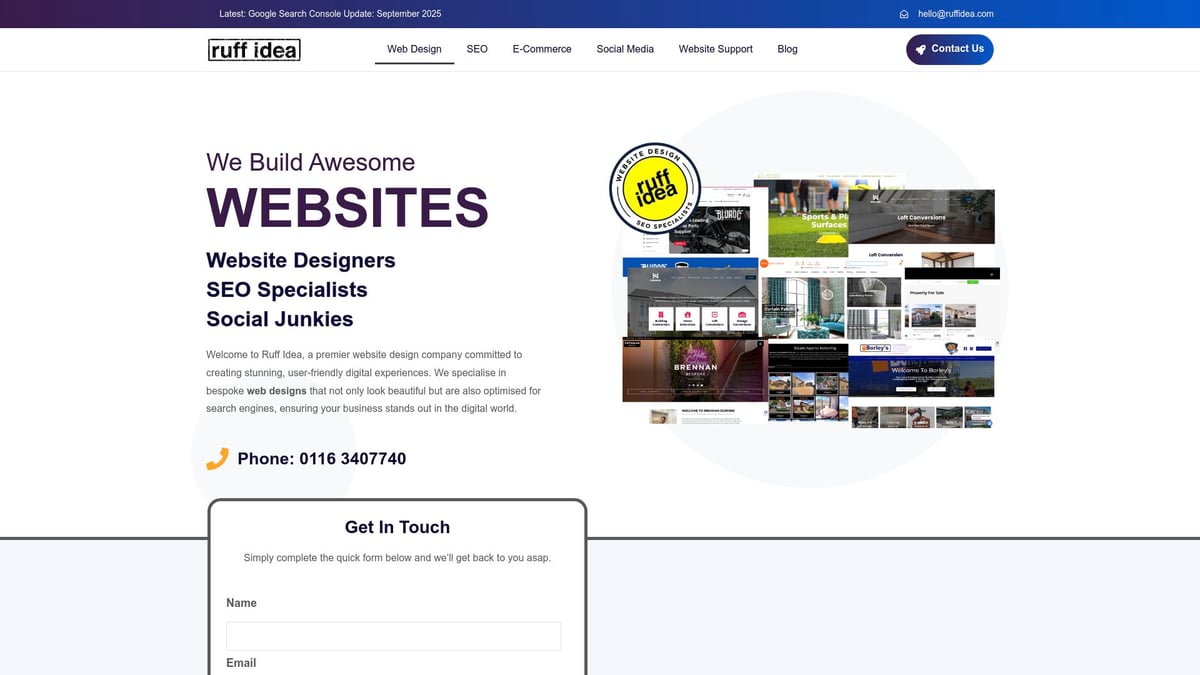
With a strong understanding of the East Midlands market, Ruff Idea ensures your paid search campaigns resonate with local audiences. Their approach integrates paid search with SEO, web design, and social media, providing a holistic digital strategy for sustainable growth.
Businesses that have partnered with Ruff Idea report significant increases in online leads and sales, thanks to their hands-on management and commitment to measurable results. The agency's transparent communication and regular updates keep you informed, so your paid search goals are always front of mind.
By leveraging first-party data and the latest campaign tools, Ruff Idea tailors each paid search strategy to the unique needs of your business. Their end-to-end service ensures no element is overlooked, from initial setup to ongoing improvement.
If you are ready to maximise your paid search investment in 2026 and beyond, contact Ruff Idea for a strategy that aligns with your business objectives and delivers real, trackable outcomes.
As we’ve explored, staying ahead in paid search now means blending creativity with data, leveraging AI, and ensuring your campaigns are set up for both compliance and conversion. If you’re ready to put these 2026 strategies into action and want expert guidance tailored to your business, we’re here to help. At Ruff Idea, we combine deep digital expertise with a local understanding to craft PPC campaigns that truly deliver measurable results. Whether you’re aiming for more leads or smarter ad spend, let’s work together to achieve your goals.
Get in touch