The world of digital marketing is changing at an unprecedented pace, making the right decisions more important than ever. Is your business ready to keep up with what 2026 will bring?
This guide is designed to help you navigate the future with confidence. Whether you are a business owner, marketer, or part of an online digital marketing agency, you will find strategies and insights to future-proof your approach.
Discover the latest industry trends, agency processes, and innovative tactics in SEO, PPC, and social media. Learn how to measure and optimise ROI so you can stay ahead, adapt quickly, and achieve lasting success.
The 2026 Digital Marketing Landscape: Key Trends and Predictions
The digital world is shifting at breakneck speed, presenting both opportunities and challenges for any online digital marketing agency. As 2026 approaches, agencies must anticipate new trends and adopt future-ready strategies. Understanding these shifts is crucial to staying ahead in an increasingly competitive environment.
AI-Driven Marketing: Automation, Content, and Personalisation
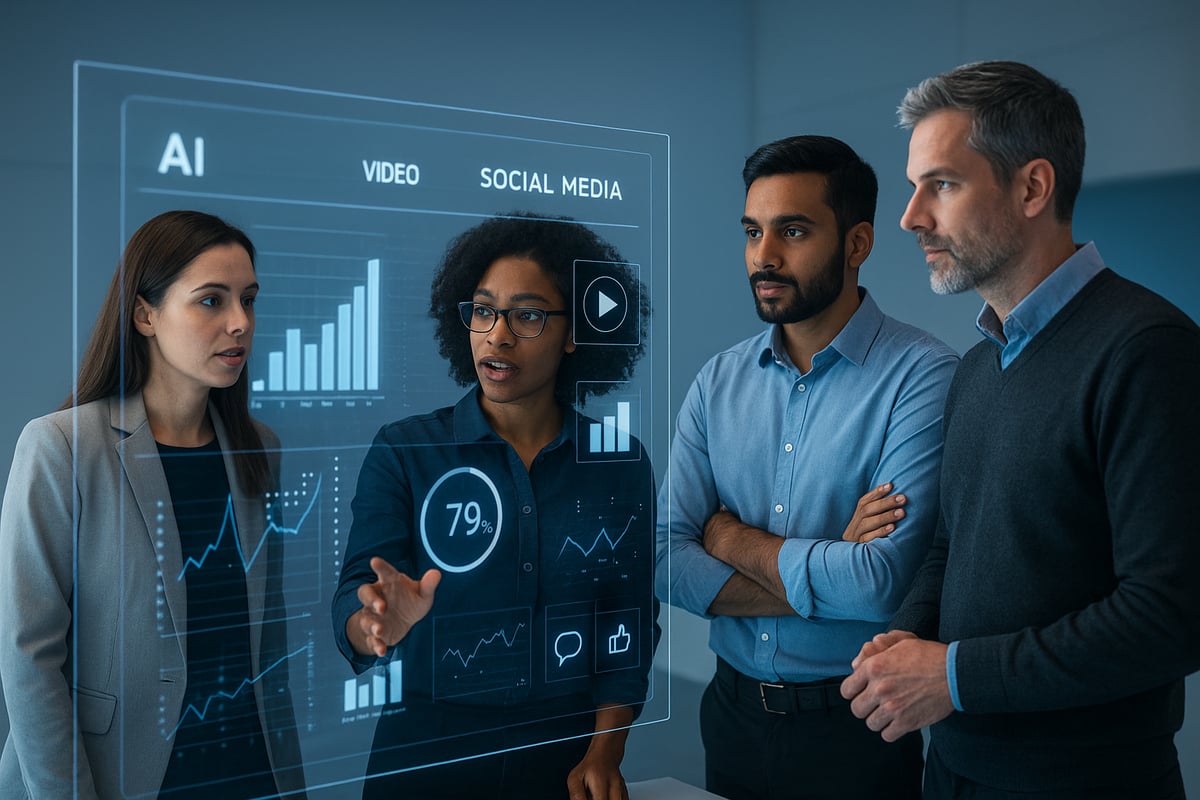
Artificial intelligence is redefining how an online digital marketing agency approaches campaigns. AI tools now automate ad bidding, content generation, and audience segmentation. This enables agencies to deliver hyper-personalised experiences at scale, drastically improving efficiency.
For example, AI-powered chatbots handle customer queries instantly, while content generators create tailored blog posts and ad copy. Predictive analytics also help agencies forecast trends, allowing them to adjust strategies before competitors.
First-Party Data and Privacy Regulations
With stricter privacy laws such as GDPR and ePrivacy, agencies are prioritising first-party data. Collecting data directly from customers builds trust and ensures compliance. An online digital marketing agency now invests in consent-driven data strategies, using tools to capture preferences via website forms, loyalty programmes, and interactive content.
This approach empowers agencies to deliver personalised marketing while respecting user privacy. Failure to adapt could result in lost opportunities and reputational risk.
Voice and Visual Search: Adapting to New Behaviours
The way consumers search for information is evolving. Voice assistants and visual search are becoming mainstream, prompting agencies to rethink their SEO strategies. Optimising for conversational queries and image recognition is now essential.
Agencies must structure content to answer voice search questions and use high-quality visuals with descriptive metadata. This ensures that clients' brands remain discoverable, even as search habits change.
Video and Interactive Content Dominate
Video content continues to surge in popularity, with short-form, live, and interactive formats leading the charge. For an online digital marketing agency, this means prioritising video production and immersive experiences.
Interactive elements like polls, quizzes, and augmented reality boost engagement and dwell time. Agencies that harness these formats can drive stronger connections with audiences and improve campaign performance.
Omnichannel Marketing and Seamless Customer Journeys
Consumers expect a unified experience across all touchpoints. Leading agencies are mastering omnichannel marketing, integrating messaging, branding, and offers across websites, social media, email, and offline channels.
A seamless journey ensures that no matter where a customer interacts, the experience feels consistent. This approach increases loyalty and maximises the effectiveness of every campaign.
Social Commerce: Shopping Meets Social Media
Shopping is now embedded within social platforms. Social commerce allows users to browse and purchase products without leaving their favourite apps. An online digital marketing agency must integrate shoppable posts, influencer collaborations, and real-time engagement to capture this growing market.
This trend is especially powerful for brands targeting younger demographics, who value convenience and authenticity in their shopping experiences.
Sustainability and Ethical Marketing Take Centre Stage
A significant shift is underway as consumers demand more from brands than just products. According to recent industry statistics, 68% of UK consumers expect brands to demonstrate ethical and sustainable practices. Agencies are embracing transparent messaging, eco-friendly initiatives, and inclusive campaigns.
Ethical marketing not only attracts conscious customers but also builds lasting brand loyalty. An agile online digital marketing agency embeds these values into every strategy.
Looking Ahead: Adaptation is Key
The landscape for any online digital marketing agency will only grow more complex. Agencies that anticipate trends, invest in the right technology, and put ethics at the core of their work will outperform those who stand still.
For a deeper dive into what lies ahead, explore the Top Digital Marketing Trends and Predictions for 2026, offering a comprehensive outlook on the future of digital marketing.
Step-by-Step: The Modern Digital Marketing Agency Process
Navigating the complexities of digital marketing in 2026 requires a structured, agile approach. The modern online digital marketing agency follows a proven process designed to maximise results, reduce risk, and foster ongoing growth for clients. Each stage, from initial discovery to continuous optimisation, is tailored to ensure campaigns are both effective and future-proof.

Discovery & Feasibility Assessment
Every successful online digital marketing agency project begins with a deep dive into the client’s world. The discovery phase involves detailed interviews to clarify business goals, target audiences, and competitive pressures. Agencies use advanced research tools to map market opportunities and benchmark against industry leaders.
A feasibility assessment follows, weighing available resources against campaign ambitions. This step ensures that strategies are both practical and aligned with budget and timeline constraints. For instance, WEBPRO’s process starts with a robust discovery and feasibility analysis, saving valuable time later and increasing the likelihood of campaign ROI.
By thoroughly assessing feasibility, an online digital marketing agency can identify quick wins and long-term growth potential, laying a strong foundation for the entire project.
Strategy Development & Planning
With clear objectives in place, the next step is crafting a bespoke strategy. An online digital marketing agency defines measurable targets such as website traffic, lead generation, conversions, or brand awareness. Selecting the right mix of channels is essential, from SEO and PPC to social media, email, and affiliate marketing.
Budget allocation and timeline planning are key, ensuring resources are invested where they will make the most impact. For example, a local trades business may prioritise local SEO and Google Ads, while an e-commerce brand might focus on social commerce and influencer campaigns.
Staying ahead of industry trends is critical at this stage. Agencies often consult resources like the 2024 SEO trends for agencies to ensure strategies remain current and competitive.
Onboarding, Setup & KPI Definition
Once the strategy is approved, the onboarding phase begins. The online digital marketing agency presents all plans clearly, setting expectations for timelines and deliverables. Setting up essential tracking tools is crucial, including Google Analytics 4, Tag Manager, and CRM integrations.
Defining key performance indicators (KPIs) provides a transparent framework for measuring success. Regular reporting intervals are established, so clients always know when to expect updates. Client education is also prioritised, fostering trust and ensuring all stakeholders understand the process and metrics.
This structured onboarding helps both agency and client stay aligned, reducing confusion and laying the groundwork for seamless execution.
Implementation: Launching Campaigns
The implementation phase is where plans become reality. Content creation takes centre stage, with SEO-optimised blogs, engaging landing pages, eye-catching graphics, and dynamic video assets. The online digital marketing agency ensures all technical elements are in place, from website optimisation to ad account configuration and social profile setup.
Campaigns are launched across multiple channels simultaneously, maximising reach and capturing audience attention. Ongoing collaboration with the client is essential, allowing for feedback and rapid adjustments as needed.
By maintaining open lines of communication, agencies can quickly solve issues and capitalise on emerging opportunities, ensuring every campaign launch is as effective as possible.
Review, Reporting & Continuous Optimisation
After campaigns go live, a modern online digital marketing agency shifts focus to measurement and improvement. Regular performance reviews are conducted, with data-driven insights guiding iterative changes. Transparent reporting is standard, giving clients a clear view of spend, results, and next steps.
A/B testing and ongoing optimisation are fundamental to sustained success. For instance, WEBPRO’s rolling review and replan model ensures that strategies evolve alongside market trends and client needs.
This continuous improvement loop enables agencies to maximise ROI and maintain a competitive edge in the fast-changing digital landscape.
Essential Digital Marketing Strategies for Agency Success in 2026
Success in 2026 requires an agile approach from any online digital marketing agency. Agencies must master both foundational and emerging tactics to stay ahead. Below, we break down the most effective strategies for long-term growth.

Advanced SEO: Beyond Keywords
Search engine optimisation is evolving rapidly. For an online digital marketing agency, understanding user intent is now as important as keyword targeting. Semantic search and AI-powered algorithms demand content that answers questions, not just repeats phrases.
Generative Engine Optimisation (GEO) is a new frontier. GEO focuses on making content discoverable by AI-driven search engines and assistants. This approach goes beyond traditional SEO, ensuring your content is surfaced by generative models. For a detailed explanation, see Generative Engine Optimisation (GEO) explained.
Technical SEO remains critical. Fast loading, mobile-friendly, and accessible sites are rewarded. Local SEO, including Google Business Profile optimisation, helps agencies drive foot traffic and local conversions.
Paid Media & PPC Evolution
Paid advertising is more dynamic than ever. An online digital marketing agency should deploy AI-powered bidding strategies to maximise returns in platforms like Google Ads and Meta.
Multi-channel PPC is essential. Agencies must run campaigns across Google, Bing, LinkedIn, TikTok, and Instagram to reach varied audiences. The design of landing pages directly impacts Quality Score and conversion rates.
A/B testing is vital. For instance, testing ad copy can boost click-through rates by up to 20 percent. Continual refinement ensures optimal performance in every campaign.
Social Media & Influencer Marketing
Social platforms are constantly shifting. For an online digital marketing agency, leveraging emerging channels such as Threads, BeReal, and TikTok Shop offers fresh opportunities.
Authenticity is the new currency. Micro-influencers drive higher engagement and trust compared to celebrities. Social listening tools help agencies respond in real-time to audience needs.
Social commerce is growing. Integrating shopping features directly into social feeds enables seamless transactions, turning engagement into sales for clients.
Content Marketing & Storytelling
Content remains king, but the format is changing. An online digital marketing agency must create interactive experiences like quizzes, AR, and live streams to captivate audiences.
Video dominates. Short-form, live, and shoppable video content is preferred by 80 percent of consumers, making it a non-negotiable part of the strategy. Data-driven content calendars ensure messaging aligns with trends and user preferences.
Personalisation is crucial. Agencies should tailor content to individual segments for higher engagement and loyalty.
Email & Automation
Email marketing is evolving through automation. Every online digital marketing agency should build hyper-personalised workflows that nurture leads throughout the customer lifecycle.
CRM integration allows marketers to deliver timely, relevant content. Compliance with GDPR is essential. List management and segmentation ensure campaigns reach the right audience without breaching privacy standards.
Analytics, Attribution & ROI Measurement
Data is at the heart of agency success. An online digital marketing agency must implement multi-touch attribution models to understand the full customer journey.
Real-time dashboards provide actionable insights, empowering agencies to adjust tactics quickly. Transparent reporting builds client trust and proves ROI.
Demonstrating clear value is non-negotiable. Agencies that present transparent, actionable data help clients make informed decisions and grow with confidence.
Choosing the Right Digital Marketing Agency Partner
Selecting the right online digital marketing agency is a crucial decision that can define your brand’s online trajectory for years to come. With so many agencies promising results, how do you make the right choice for your business?

What to Look For in a Digital Marketing Agency
Start by examining the expertise and track record of any online digital marketing agency you consider. Seek out agencies with proven experience in your sector, up-to-date technical skills, and a clear understanding of emerging trends. Transparency should be non-negotiable. Reputable agencies share their processes, expected outcomes, and reporting methods upfront.
Cultural fit is also essential. The best agency partnerships are built on trust, open communication, and shared values. A good agency will take time to understand your business’s unique voice and objectives, ensuring campaigns feel authentic and aligned.
Custom Solutions vs. Packages
Every business is different, so beware of agencies offering only cookie-cutter packages. The most effective online digital marketing agency will build bespoke strategies tailored to your goals, audience, and budget. For instance, a local service provider may need a heavy focus on local SEO and Google Ads, while an e-commerce retailer requires omnichannel campaigns and social commerce integration.
Ask agencies to explain how they would approach your challenges. A tailored plan is a strong indicator that the agency is prepared to invest time and expertise in your success.
Assessing Portfolios and Testimonials
Deep-dive into the agency’s portfolio. Look for case studies that demonstrate real-world results, not just vanity metrics. Client testimonials can reveal much about reliability, communication style, and the agency’s ability to deliver measurable outcomes. For example, WEBPRO’s client stories often highlight long-term partnerships and transparent reporting.
Use the opportunity to request references or speak to existing clients. This can provide first-hand insight into what it’s like to work with the agency day-to-day.
Essential Questions to Ask
Before signing any agreement, ask direct questions about the agency’s process, reporting frequency, and support structure. Clarify how they handle campaign adjustments, respond to feedback, and measure success. It’s also smart to enquire about contract flexibility and what happens if your needs evolve.
Staying informed about industry trends can also help you evaluate an agency’s preparedness. Resources like 10 Key Trends & Insights to Inform Your 2026 Marketing Planning offer valuable benchmarks when comparing agencies’ approaches.
Pitfalls and Red Flags
Unfortunately, some businesses fall into common traps when choosing an online digital marketing agency. Watch out for hidden fees, vague promises, lack of communication, or rigid, long-term contracts that stifle agility. A credible agency will be upfront about costs, timelines, and expectations.
Here’s a comparison table to help you spot red flags:
| Red Flag | What to Look For Instead |
|---|---|
| Unclear pricing | Transparent fee structures |
| No regular reporting | Scheduled, detailed updates |
| One-size-fits-all plans | Bespoke, goal-oriented strategies |
| Poor communication | Responsive, proactive engagement |
Strategic Partnership Perspective
The most successful relationships are those where the online digital marketing agency acts as a strategic partner, not just a service provider. This means collaborating closely, sharing insights, and adapting strategies as your business grows. Look for agencies that invest in your long-term success and are committed to continuous improvement.
Choosing the right partner is an investment in your brand’s future. With careful evaluation and clear communication, you can build a partnership that delivers real, measurable growth.
Measuring, Reporting & Scaling Digital Marketing Success
Digital marketing success in 2026 depends on rigorous measurement, transparent reporting, and the ability to scale what works. For any online digital marketing agency, these practices ensure long-term client value and competitive advantage. Let us explore how to set goals, report results, optimise performance, and future-proof your approach.
Setting and Tracking KPIs
For an online digital marketing agency, defining the right KPIs is the cornerstone of success. Start by setting SMART goals: Specific, Measurable, Achievable, Relevant, and Timely. This approach aligns agency efforts with client objectives, whether that is boosting organic traffic, increasing conversion rates, or reducing cost per acquisition.
Use a KPI table to clarify targets:
| Channel | Example KPI | Target |
|---|---|---|
| SEO | Organic Traffic | +30% YoY |
| PPC | Cost per Acquisition (CPA) | £20 |
| Social | Engagement Rate | 5% |
Dashboards provide real-time visibility, allowing teams to monitor progress and adapt quickly. With the growing complexity of customer journeys, tracking precise metrics is no longer optional. The Digital 2026 Global Overview Report highlights the importance of data-driven decision-making in today's landscape.
Transparent Reporting Practices
Clients of an online digital marketing agency expect clarity and transparency. Establish a regular reporting cadence, such as weekly or monthly, tailored to client needs. Reports should visualise data using easy-to-understand charts and graphs, making insights accessible to all stakeholders, regardless of technical expertise.
A typical report might include:
- Traffic and conversion trends
- ROI and spend breakdowns
- Channel performance comparisons
Transparency builds trust. By sharing both wins and areas for improvement, agencies foster genuine partnerships. WEBPRO’s regular client reporting is a prime example, ensuring clients always understand how their investment is performing.
Continuous Optimisation & A/B Testing
Continuous optimisation is vital for any online digital marketing agency looking to stay ahead. Structured A/B and multivariate testing help uncover what resonates with target audiences. Experiment with different creatives, messaging, or landing page designs, and use data to refine campaigns for maximum impact.
For example, testing two headlines could reveal a significant uplift in click-through rates. Insights from these tests guide ongoing improvements and ensure resources are focused on high-performing elements.
Iterative optimisation reduces wasted spend and drives better long-term results. Agencies that embrace experimentation will consistently outperform static competitors.
Scaling Campaigns for Growth
Scaling is where an online digital marketing agency demonstrates real value. Identify high-performing channels, then reallocate budget to maximise returns. Expand your reach by targeting new audience segments, geographies, or platforms, always guided by data.
Automation tools can streamline campaign management, making it easier to handle increased volume without sacrificing quality. As digital channels evolve, scaling efficiently becomes a key differentiator for agencies aiming for growth.
Stay informed on the latest trends and best practices by consulting resources like the 2026 Digital Advertising Trends Report, which provides actionable insights for scaling digital campaigns.
Learning from Client Stories & Case Studies
Storytelling is a powerful tool for any online digital marketing agency. Analysing successful campaigns uncovers lessons that can be applied across clients and industries. For instance, a recent rebranding project might have led to a noticeable increase in engagement and inbound enquiries.
Share both successes and challenges transparently. This openness builds credibility and demonstrates a commitment to continuous improvement. Case studies also help prospects understand the agency’s approach, results, and adaptability.
Learning from real-world examples keeps teams inspired and clients confident in their partnership.
Navigating Challenges & Future-Proofing
The digital landscape never stands still. An online digital marketing agency must adapt to algorithm shifts, privacy updates, and changing consumer behaviour. Build resilient strategies by investing in ongoing learning, technology adoption, and flexible planning.
Encourage a culture of innovation, where teams proactively respond to new challenges. By staying ahead of industry developments, agencies ensure their services remain effective, ethical, and relevant. Future-proofing is not just about surviving change, but thriving in it.
Resilient agencies will lead the way, empowering clients through uncertainty and setting new standards for digital success.
Future-Proofing Your Digital Marketing Agency: Skills, Tools & Culture
In 2026, future-proofing your online digital marketing agency means more than just embracing new tactics. It requires a holistic approach, combining specialist skills, cutting-edge tools, an innovative culture, and ethical leadership. Let’s explore what it takes to build an agency that not only adapts but thrives.
Essential Skills for 2026 Marketers
Every online digital marketing agency must prioritise a blend of technical, analytical, and creative skills to stay ahead. Data literacy is now non-negotiable; marketers must interpret complex analytics and derive actionable insights.
Creative storytelling is essential for capturing attention and differentiating brands. Technical SEO, automation, and emerging AI competencies are vital for campaign efficiency. Adaptability and a mindset of continuous learning empower teams to respond quickly to industry shifts.
- Data analysis and interpretation
- Creative content development
- Technical SEO and automation
- Adaptability and proactive learning
For agencies, investing in these skills is the foundation for sustainable growth.
Must-Have Tools & Technologies
The right tools give every online digital marketing agency a competitive edge. AI-powered platforms streamline content creation, analytics, and campaign management. Marketing automation suites like HubSpot, Salesforce, or Mailchimp enable scalable, personalised communication across channels.
Advanced SEO and PPC tools, such as SEMrush, Ahrefs, and Google Data Studio, provide deep market insights. Social media management platforms are also crucial for scheduling, engagement, and analytics. Explore social media management strategies to ensure your agency leverages the most effective approaches.
Selecting and mastering these technologies ensures your agency remains agile and data-driven.
Building a Culture of Innovation
Sustained success for any online digital marketing agency depends on fostering a culture where experimentation is valued. Encourage team members to test new ideas, embrace change, and learn from both successes and failures.
Cross-disciplinary collaboration between creative and technical staff leads to richer solutions. Celebrate achievements, however small, and treat setbacks as learning opportunities. This approach not only drives innovation but also helps attract and retain top talent.
Agencies that nurture such environments are better equipped to deliver inventive solutions for clients.
Talent Acquisition & Retention
Finding and keeping the right people is a top priority for every online digital marketing agency. Flexible, remote-friendly policies are increasingly attractive to digital professionals. Offer ongoing training, upskilling, and clear career development paths to keep your team engaged.
Diversity and inclusion bring fresh perspectives and foster creativity. Recognise achievements and provide opportunities for personal and professional growth. A strong retention strategy ensures your agency has the expertise needed to meet future challenges.
An empowered team is the backbone of any future-ready agency.
Staying Ahead: Continuous Learning & Industry Engagement
To remain competitive, an online digital marketing agency must actively pursue knowledge. Encourage your team to attend industry conferences, webinars, and participate in online communities. Subscribing to leading publications and investing in certifications keeps skills sharp.
Learning from peers and sharing insights internally fosters a culture of growth. Leveraging resources like social media management strategies helps teams stay current with platform updates and emerging trends.
Continuous learning is the key to anticipating change and seizing new opportunities.
Ethical, Sustainable & Inclusive Marketing
Modern consumers demand more from brands. An online digital marketing agency should prioritise accessibility, inclusivity, and ethical practices in every campaign. Aligning with consumer expectations for sustainability not only builds trust but also differentiates your agency.
Recent research shows that 68% of UK consumers expect brands to demonstrate ethical marketing. Agencies must act as responsible stewards, promoting transparency and advocating for positive digital impact.
Building an ethical culture is not just a trend, it is a long-term strategy for success.
As we’ve explored, staying ahead in digital marketing calls for not just following trends but building strategies that are tailored to your business and your customers’ needs. Whether you’re aiming to boost your online presence, improve your SEO, or create a website that truly reflects your brand, partnering with a team that understands both the technology and the human side of marketing is crucial. At Ruff Idea, we’re here to help you navigate the fast-changing landscape and craft solutions that drive results in 2026 and beyond. If you’re ready to start a conversation about your next steps, Get in touch.