The digital advertising world is more competitive than ever, with Google Ads in 2026 evolving rapidly to meet new challenges. Businesses now face not only more rivals, but also smarter, AI-driven ad platforms offering fresh opportunities to reach targeted audiences.
Expert management of campaigns can unlock higher returns on investment and drive measurable business growth. If you want to learn how to succeed on google ads, this guide is designed for you.
Here, you will find actionable steps and proven strategies, from campaign setup and optimisation to automation and future-proofing your approach. Let’s explore the essential steps to mastering Google Ads in 2026.
Understanding the 2026 Google Ads Landscape
Navigating the Google Ads ecosystem in 2026 requires a keen understanding of recent changes, shifting user behaviours, and an evolving regulatory environment. For those seeking how to succeed on google ads, mastering these elements is essential. This section explores the key developments, audience trends, and compliance factors shaping success in this competitive landscape.

Evolution of Google Ads: Key Changes for 2026
Since 2023, Google Ads has undergone a remarkable transformation, driven by advancements in AI and automation. The introduction of new AI-powered bidding strategies has reshaped campaign management, offering advertisers more predictive insights and smarter budget allocation. The interface has become more intuitive, enabling businesses to streamline campaign setup and optimisation.
A major shift towards privacy-first features arrived with the deprecation of third-party cookies. This change forced advertisers to prioritise first-party data and adapt their targeting methods. Performance Max campaigns have risen sharply, now accounting for the majority of ad spend due to their ability to unify multiple channels and formats under one strategy.
Ad formats have also expanded, with video, interactive, and immersive ads gaining traction. These formats drive higher engagement, particularly on mobile and connected devices. Automation and machine learning now play a central role, allowing for real-time adjustments and reduced manual workload.
For example, in 2025, many businesses reallocated budgets from traditional search campaigns to Performance Max and video formats, seeing improved ROI and broader reach. According to Google’s Q3 2025 Revenue Report, Google Ads revenue continued its upward trajectory, fuelled by increased investment in automated and multi-format campaigns. Understanding these innovations is foundational for anyone learning how to succeed on google ads.
Audience Behaviour and Search Trends in 2026
In 2026, user behaviour on Google has evolved significantly. Search intent is more nuanced, with users expecting results tailored to their immediate needs, regardless of device. Multi-device journeys are the norm, as people seamlessly switch between smartphones, desktops, and smart home devices during the purchase process.
The rise of voice and visual search has had a profound impact on ad targeting strategies. More users are searching with natural language queries and images, prompting advertisers to rethink keyword strategies and creative assets. Personalisation and relevance are in higher demand, requiring brands to leverage intent signals and dynamic content.
A notable case study involves a leading retail brand that adapted its Google Ads approach to prioritise voice search queries. By optimising ad copy and landing pages for conversational language, the brand captured a significant new audience segment. In fact, recent data shows that over 40 percent of searches in 2026 are now conducted using voice, highlighting the importance of adapting your approach if you want to know how to succeed on google ads.
Regulatory and Privacy Considerations
The global regulatory landscape has become more complex, with new data privacy laws directly impacting how advertisers use Google Ads. The introduction of Google’s Privacy Sandbox and alternatives to FLoC has changed the way audience segments are built, requiring greater reliance on aggregated and anonymised data.
Advertisers in the UK and EU face additional compliance requirements, from user consent management to transparent data processing. To remain compliant, businesses must update their data practices and monitor regulatory developments closely.
A practical compliance checklist for 2026 includes:
- Reviewing all consent mechanisms and privacy policies
- Ensuring first-party data collection aligns with current laws
- Monitoring updates to Google’s Privacy Sandbox
- Training teams on regulatory changes
Staying ahead of these developments is crucial for any business focused on how to succeed on google ads. By prioritising privacy and compliance, advertisers can protect their brand and maintain effective audience targeting.
Step 1: Setting Up for Success—Preparing Your Google Ads Foundation
Building a strong foundation is essential if you want to understand how to succeed on google ads in 2026. The evolving digital environment demands precise planning, clear objectives, and a structured approach. As platforms and user behaviours shift, your groundwork will determine whether your campaigns deliver results or fall short.
Defining Clear Business Objectives and KPIs
Success with Google Ads starts by defining what you want to achieve. Without clear business objectives and measurable KPIs, it is impossible to know how to succeed on google ads. Align your ad strategy with your wider business goals to ensure every pound spent is driving meaningful results.
Set SMART goals: specific, measurable, achievable, relevant, and time-bound. For an e-commerce brand, a SMART goal might be “Increase online sales by 20% in Q2 with a maximum CPA of £15.” For lead generation, aim to “Grow qualified leads by 30% within six months, keeping cost per lead under £10.” Local businesses may focus on “Boost in-store visits by 25% during holiday promotions.”
Track key KPIs such as ROAS (Return on Ad Spend), CPA (Cost per Acquisition), CTR (Click Through Rate), and conversion rate. These metrics will guide your optimisation efforts and keep your campaigns accountable.
Structuring Your Google Ads Account for 2026
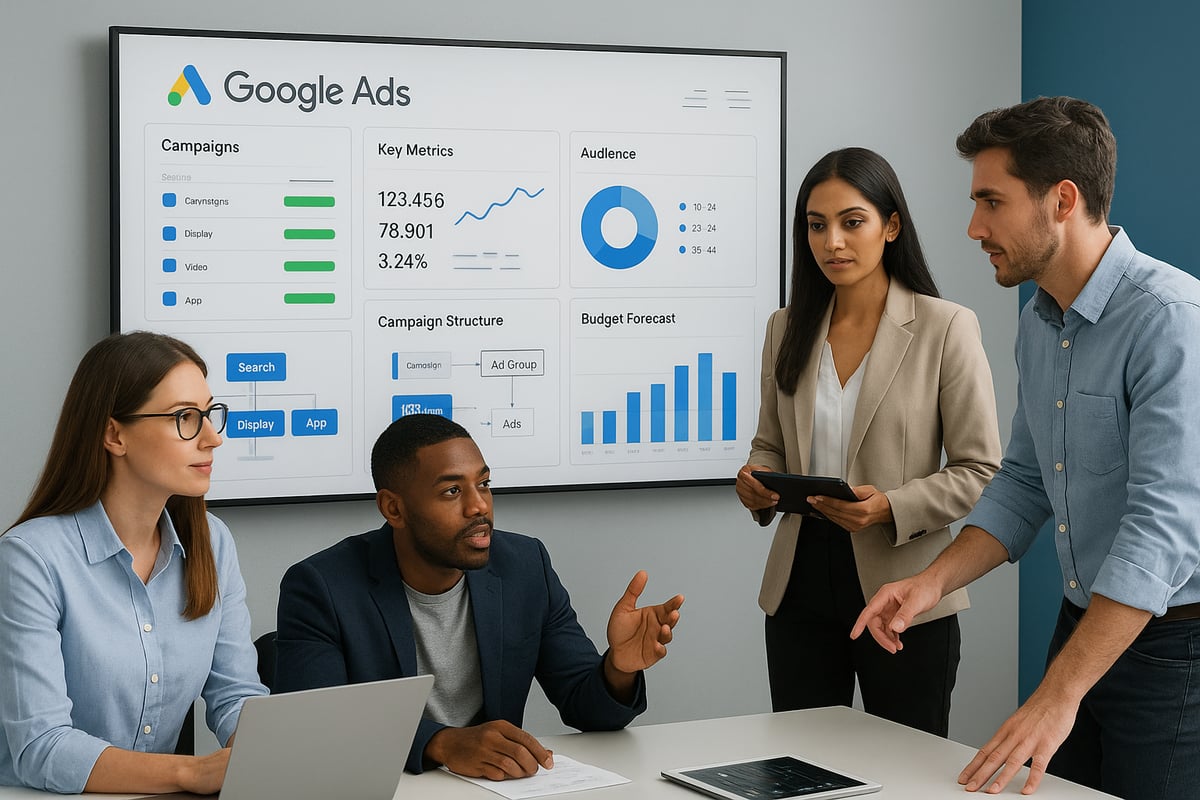
A well-structured account is crucial for clarity and performance. To understand how to succeed on google ads, organise your campaigns, ad groups, and assets logically. This makes it easier to monitor, optimise, and scale your activities.
Best practices include separating campaigns by goal, product, or location. Use Performance Max and Demand Gen campaigns to reach audiences across channels with unified messaging. For a multi-channel retail brand, structure might look like:
| Campaign Type | Ad Group | Asset Group |
|---|---|---|
| Performance Max | Shoes | Spring Promo |
| Performance Max | Accessories | New Arrivals |
| Demand Gen | Menswear | Summer Sale |
A clear structure also enables more accurate budget allocation and reporting. For foundational planning tips, see the 2024 SEO trends for success which highlight digital strategies essential for Google Ads mastery.
Audience Targeting and Segmentation
Reaching the right audience is a cornerstone of how to succeed on google ads. In 2026, leveraging first-party data and advanced segmentation tools is more important than ever. With the decline of third-party cookies, Customer Match and intent-based signals are now vital.
Segment your audiences based on behaviours, purchase history, and engagement level. For example, create separate lists for recent buyers, high-value customers, and seasonal shoppers. Use these segments for tailored messaging and promotions.
Intent-based targeting allows you to serve ads to users actively searching for your products or services. Combine this with demographic and location signals for the most relevant reach. Regularly review and update segments to reflect changing trends and customer needs.
Budget Planning and Forecasting
Effective budgeting is at the heart of how to succeed on google ads. Start by researching industry benchmarks for CPC (Cost per Click) and CPA. Set realistic budgets that align with your objectives and expected returns.
Use Google’s AI-powered budget recommendations to predict campaign performance and allocate spend efficiently. For example, in 2026, average CPC for retail may be £1.20, and CPA for lead generation could range from £8 to £20 depending on competition.
Forecast your spend monthly and quarterly, adjusting for seasonality and market trends. Monitor budget pacing to avoid overspend or missed opportunities. Dynamic budget allocation ensures top-performing campaigns receive the most investment, maximising ROI.
Conversion Tracking and Data Integration
Reliable tracking is non-negotiable for those learning how to succeed on google ads. Set up enhanced conversions to capture data from multiple touchpoints, including offline actions like phone calls or in-store visits.
Integrate Google Analytics 4 with your Google Ads account for a unified view of performance across the funnel. Connect your CRM to import offline conversions, giving a full picture of customer journeys.
For service businesses, omnichannel tracking helps attribute leads and sales accurately, revealing which ads drive real outcomes. Regular audits and testing of your tracking setup ensure data integrity and campaign effectiveness.
Step 2: Crafting High-Performance Campaigns
In 2026, knowing how to succeed on google ads means mastering campaign design from the ground up. High-performance campaigns require a blend of creative excellence, strategic selection of formats, robust automation, and a commitment to continuous testing. This section unpacks the essential techniques and tools to help you build campaigns that deliver measurable results in an increasingly competitive landscape.
Mastering Creative and Ad Copy in 2026
To understand how to succeed on google ads, focus on your creative and copy as the cornerstone of campaign performance. In 2026, AI-powered ad formats demand headlines and descriptions that are not only compelling but also adaptable. Write with clarity, highlight unique selling points, and use dynamic ad customisers to tailor messages at scale.
Consider this: a travel agency found that by using location and interest-based customisers, engagement rates increased by 22%. Experiment with multiple headline and description combinations to let Google’s AI identify top performers. Always align your creative with user intent and device context for maximum relevance.
- Use action-oriented language
- Highlight benefits, not just features
- Test ad copy for voice and visual search compatibility
Regularly review creative assets to avoid ad fatigue and maintain fresh, persuasive messaging.
Choosing the Right Campaign Types and Formats
Selecting the optimal campaign type is crucial if you want to learn how to succeed on google ads. In 2026, advertisers have access to Search, Display, Performance Max, and Video campaigns, each offering distinct advantages.
| Campaign Type | Best Use Case | Pros | Cons |
|---|---|---|---|
| Search | High-intent queries | Direct response | Limited creative options |
| Display | Awareness, retargeting | Broad reach | Lower intent |
| Performance Max | Omnichannel reach | AI-driven, maximises ROI | Less manual control |
| Video | Engagement, branding | Visual storytelling | Creative resource needed |
For example, blending video with search campaigns allowed a retail brand to boost reach by 30%. Assess your goals and audience preferences to choose the right mix. Interactive and immersive formats are increasingly popular, so experiment to find what resonates.
Leveraging Automation and Smart Bidding
To truly grasp how to succeed on google ads, embrace automation and smart bidding. Google's advanced bidding algorithms, such as Maximise Conversions, Target ROAS, and Target CPA, can optimise bids in real time based on thousands of signals.
Stay updated on the latest advancements, such as those detailed in the Smart Bidding Exploration Announcement, to ensure you are leveraging AI-driven strategies effectively. Regularly monitor automated bidding performance and adjust targets as needed.
Industry benchmarks from 2025 show conversion rate uplifts of up to 18% when smart bidding is properly configured. Use bid simulators to forecast results and avoid over-reliance on automation by setting clear guardrails.
Asset Creation and Management
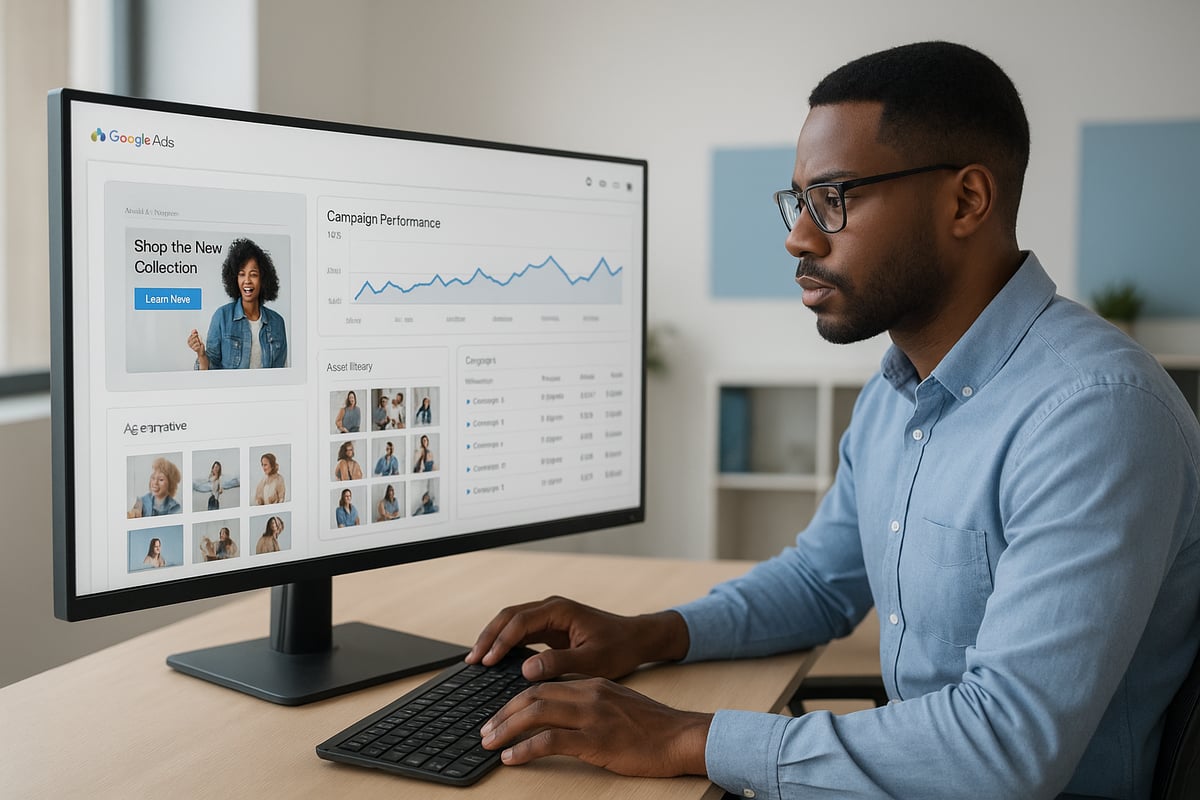
Asset quality is a key component in how to succeed on google ads. Build a diverse library of images, videos, and ad extensions that work seamlessly across devices. Prioritise mobile-first designs, as most users interact with ads on smartphones and tablets.
Organise assets into logical groups for easy management and testing. For instance, a fashion retailer saw a 25% increase in click-through rate by tailoring asset groups for seasonal collections and mobile placements.
- Use high-resolution visuals
- Update assets regularly to reflect current promotions
- Test different formats for cross-device engagement
A well-structured asset library accelerates creative experimentation and ensures cohesive branding.
Ad Testing and Experimentation
Continuous testing is non-negotiable if you aim to master how to succeed on google ads. Set up A/B tests using Google Ads Experiments to compare headlines, images, and targeting strategies. Analyse performance data to identify winning combinations and iterate quickly.
For example, a local services campaign increased conversions by 16% after split testing different call-to-action phrases. Document your learnings and build a playbook for future campaigns.
- Test one variable at a time for clear insights
- Use statistical significance calculators to validate results
- Schedule regular review cycles for ongoing improvement
Consistent experimentation helps you stay ahead in a rapidly evolving advertising environment.
Step 3: Optimising and Scaling Your Campaigns
Optimising and scaling are essential steps if you want to master how to succeed on google ads. With the 2026 landscape more competitive and AI-driven than ever, you need to analyse data, refine strategies, and automate processes to unlock real growth. Let us break down the key components for effective campaign optimisation and scalable success.

Analysing Performance Data and Insights
To understand how to succeed on google ads, you must dive into your campaign data. Start by reviewing Google Ads and GA4 reports to identify top-performing assets, devices, and times of day.
Set up a real-time dashboard that highlights more than just clicks and impressions. Focus on conversion rate, cost per acquisition, and return on ad spend for actionable insights.
- Monitor trends weekly to spot sudden shifts in performance.
- Use attribution modelling to uncover the true value of each channel.
- Compare results across different audience segments.
For instance, a service business might track both online and offline conversions to see which channels drive the most value. Regular data analysis keeps your campaigns agile and responsive.
Refining Targeting and Exclusions
Refining your audience targeting is a core strategy for how to succeed on google ads. Use performance data to identify which audience signals convert best and which placements waste budget.
Implement negative keywords to block irrelevant searches. Exclude underperforming placements, particularly in Display and Video campaigns.
- Segment audiences by intent, location, and device.
- Review demographic reports to spot new opportunities.
- Adjust Customer Match and remarketing lists based on behaviour.
A B2B SaaS company, for example, might exclude consumer-focused placements to reduce wasted spend. This ensures your ads reach only the most relevant prospects, improving overall efficiency.
Budget Reallocation and Bid Adjustments
Learning how to succeed on google ads means shifting resources to where they will have the most impact. Regularly review your budget allocation and adjust bids for top-performing campaigns and keywords.
Leverage Google’s seasonality adjustments and predictive budgeting tools to anticipate demand spikes. Move funds from lower-performing campaigns to those achieving your key KPIs.
- Review performance by channel and device.
- Increase bids for high-converting segments during peak periods.
- Use automated rules to adjust budgets in real time.
Industry data shows that brands using dynamic budget allocation often see a significant uplift in ROI. Strategic reallocation ensures you never miss out on growth opportunities.
Scaling Successful Campaigns
Once you have identified what works, scaling is the next step in how to succeed on google ads. Expand your reach by creating lookalike audiences based on your best customers.
Test new geographic locations or launch additional asset groups within Performance Max campaigns. Blend campaign types to maximise reach, such as combining Search with Video.
- Use audience expansion tools for broader targeting.
- Test new ad formats and creative variations.
- Monitor scaling carefully to avoid diminishing returns.
A hospitality brand, for instance, might start with a local campaign, then scale nationally as results improve. Consistent testing and careful scaling drive sustainable growth.
Automation and Rules for Ongoing Optimisation
Automation is now a cornerstone for anyone looking at how to succeed on google ads in 2026. Use automated rules to pause underperforming ads, adjust bids, and reallocate budgets without manual effort.
Advanced scripts and third-party tools further streamline optimisation, allowing you to focus on strategy. Embrace AI-driven solutions, such as those explained in Generative Engine Optimisation explained, to stay ahead of the competition.
- Set up rules for budget caps and bid changes.
- Use AI-powered recommendations for continuous improvement.
- Automate reporting and alerts for performance anomalies.
Adopting automation ensures your campaigns remain optimised around the clock, freeing up time for high-level strategy and creative work.
Step 4: Future-Proofing Your Google Ads Strategy
Staying ahead in a rapidly changing digital landscape requires businesses to rethink how to succeed on google ads. As 2026 approaches, adapting to new technologies, privacy laws, and customer expectations is crucial for maintaining a competitive edge and ensuring long-term campaign effectiveness.
Adapting to AI and Machine Learning Developments
Artificial intelligence is reshaping how to succeed on google ads, automating campaign optimisation and creative delivery. In 2026, AI-driven tools dynamically adjust bids, personalise ad assets, and predict user intent with impressive accuracy. Early adopters benefit from predictive analytics and real-time adjustments, which drive higher performance. To stay ahead, businesses should test new AI features as soon as they launch, regularly review automation settings, and integrate with updated platforms. For example, keeping up with the latest Google Search Console update 2025 can help you leverage new insights and maintain visibility as Google refines its systems.
Preparing for Further Privacy Changes
Privacy regulations continue to evolve, directly impacting how to succeed on google ads. The phaseout of third-party cookies and new global data laws demand robust first-party data strategies. Google’s Privacy Sandbox and FLoC alternatives have shifted how advertisers segment audiences. Staying compliant is vital, especially for UK and EU businesses. For context, the recent EU Antitrust Fine on Google highlights the increasing scrutiny on adtech practices. Use this checklist for 2026:
- Audit your consent management tools.
- Regularly update your privacy policy.
- Train staff on GDPR and local requirements.
Integrating Google Ads with Omnichannel Marketing
To truly master how to succeed on google ads, connect your campaigns across all marketing channels. In 2026, seamless integration with email, social media, and offline activities is essential for maximising reach and attribution. Use cross-channel tracking to understand the full customer journey and allocate budgets more effectively. By synchronising Google Ads with your CRM and other platforms, you can deliver consistent messaging and boost conversions. Omnichannel strategies not only future-proof your advertising but also unlock deeper insights into audience behaviour.
Continuous Learning and Staying Updated
Ongoing education is central to how to succeed on google ads. The platform evolves frequently, introducing new features, bidding strategies, and compliance requirements. Invest in regular training through Skillshop, industry webinars, and Google’s own resources. Joining reputable forums and communities keeps you informed about trends and best practices. Top-performing advertisers dedicate time each month to learning, ensuring their teams stay ahead of the curve and adapt quickly to changes in the Google Ads ecosystem.
Common Pitfalls and How to Avoid Them
Even experienced advertisers encounter challenges on the path to how to succeed on google ads. Common mistakes include over-relying on automation, neglecting creative refresh, and failing to monitor performance data. Avoid ad fatigue by rotating assets and testing new formats. Set clear rules for automated actions and regularly review campaign results. Use the table below for quick reference:
| Pitfall | Solution |
|---|---|
| Ad fatigue | Update creatives frequently |
| Automation overuse | Monitor and adjust rules regularly |
| Compliance lapses | Conduct quarterly privacy audits |
| Stagnant learning | Schedule ongoing training |
By recognising and addressing these pitfalls, you can ensure your Google Ads strategy remains resilient and effective.
Resources and Tools for Google Ads Success in 2026
Success in the ever-evolving landscape of paid search depends on using the right resources. Understanding how to succeed on google ads in 2026 means leveraging a blend of built-in tools, third-party platforms, and expert communities. Let us explore the essential resources every advertiser needs for measurable results.
Essential Google Ads Tools and Features
Google provides a suite of robust tools for campaign management, planning, and analysis. These tools form the foundation for advertisers aiming to understand how to succeed on google ads in a data-driven environment.
- Keyword Planner: Discover high-potential keywords and forecast traffic.
- Performance Planner: Simulate budget changes and predict outcomes.
- Audience Insights: Analyse audience segments and refine targeting.
- Google Analytics 4: Integrate campaign and site data for deeper analysis.
Using these features enables precise planning, smarter bids, and more effective campaign management.
Recommended Third-Party Tools and Integrations
Beyond Google’s own suite, integrating third-party platforms can streamline your workflow and enhance results. Leading advertisers often connect CRM systems, call tracking, and automation tools for full-funnel visibility.
- CRM integrations for lead management and remarketing.
- Call tracking to measure offline conversions.
- Analytics dashboards for multi-channel reporting.
For local businesses, Setting up a Google Business Profile is a key step that complements your ads, boosting local visibility and targeting. Incorporating these resources is vital for anyone focused on how to succeed on google ads in competitive markets.
Learning and Support Communities
Staying ahead means continuous learning. Engage with reputable forums, industry groups, and official help centres. These communities offer troubleshooting support, campaign feedback, and the latest updates.
- Google Ads Community forums
- LinkedIn advertising groups
- Industry webinars and virtual conferences
Peer networking not only builds knowledge but also fosters innovation in strategies.
Expert Tips from Leading Advertisers
Top-performing advertisers regularly audit their campaigns and follow proven checklists. Here is a quick audit checklist:
- Review conversion tracking accuracy.
- Assess keyword and audience performance.
- Refresh ad creatives and extensions.
- Monitor budget pacing and ROI.
By applying expert advice and using the right resources, you can ensure how to succeed on google ads is more than a goal—it becomes a consistent reality.
You've seen just how much the Google Ads landscape will evolve by 2026—from AI-driven automation to privacy-first strategies and new ad formats. Navigating these changes can be a challenge, but with the right expertise, your business can achieve measurable growth and a stronger online presence. If you’re looking for tailored support, creative web solutions, or simply want to talk through your next steps, we’re here to help. Let’s make sure your campaigns are set up for real success—Get in touch and let’s shape your digital future together.