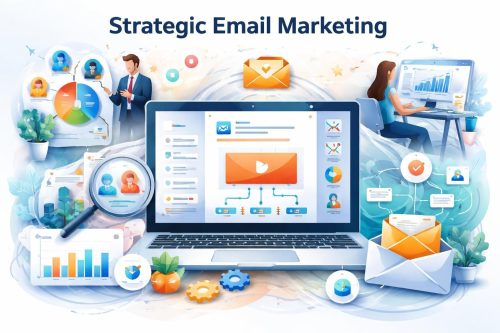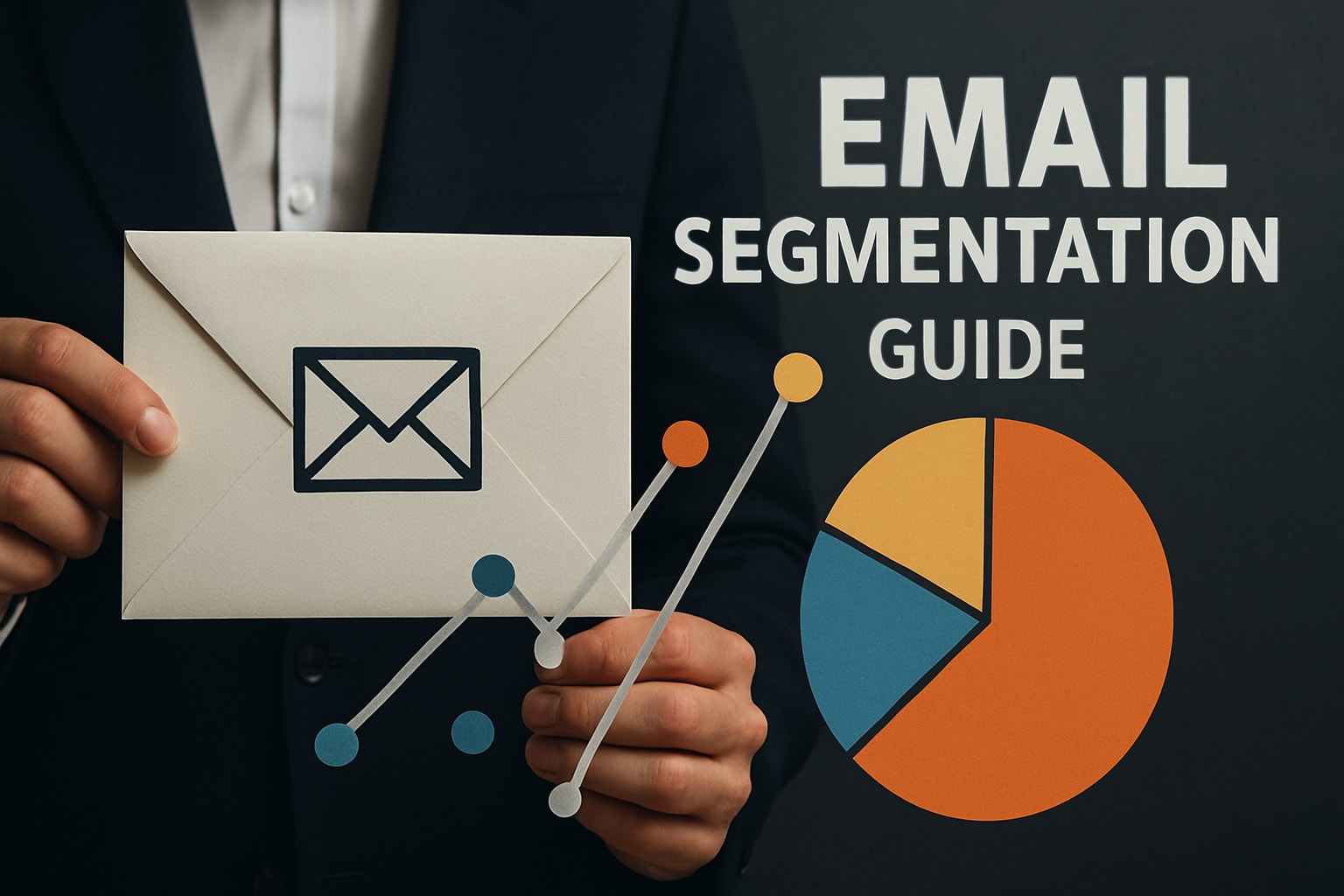
Inbox overload has reached new heights in 2025, with generic messaging pushing open rates to historic lows. Amid this digital noise, email segmentation stands out as the essential strategy for marketers aiming to boost engagement, drive conversions, and maximise return on investment. This guide will explore the most up-to-date strategies, powerful tools, and data-driven approaches that define effective email segmentation in 2025. Discover how to transform your campaigns and achieve measurable results with actionable steps for segmentation success.
Understanding Email Segmentation: The 2025 Landscape
In 2025, inboxes are overflowing, and consumers are more selective than ever. Standing out requires more than catchy subject lines. That is where email segmentation becomes essential, allowing marketers to send targeted, relevant content that resonates with each subscriber.
What is Email Segmentation?
Email segmentation is the process of dividing your email list into smaller groups based on specific criteria. Over time, this approach has evolved from broad demographic splits to sophisticated, data-driven groupings.
It is crucial to distinguish email segmentation from personalisation and automation. Segmentation is about grouping, personalisation tailors content, and automation delivers messages at the optimal time.
In 2025, email segmentation is more critical than ever due to rising consumer expectations and increased competition for attention. Brands that master segmentation are better positioned for success.
Key Benefits of Segmentation for Modern Marketers
Effective email segmentation leads to higher open and click-through rates, as messages feel more relevant to recipients. This targeted approach also boosts customer retention and loyalty, as subscribers see content that matches their interests.
Segmentation improves deliverability, reducing spam complaints by sending the right message to the right audience. For example, some brands have seen revenue increases of up to 760% with segmented campaigns, as highlighted in Email segmentation boosts revenue by 760%.
These results demonstrate that email segmentation is not just a trend but a proven strategy for measurable impact.
Types of Segmentation: From Basics to Advanced
There are several types of email segmentation, each offering unique benefits. Basic segmentation includes demographic (age, gender), geographic (location), psychographic (values, interests), and behavioural (actions taken) categories.
Advanced segmentation moves further, using lifecycle stages, engagement levels, predictive analytics, and AI-driven models. For example, a retailer might segment by cart abandonment, while a SaaS company could use engagement scores.
Here is a summary table:
| Type | Example Criteria |
|---|---|
| Demographic | Age, gender |
| Geographic | City, region |
| Behavioural | Purchase history, clicks |
| Psychographic | Interests, values |
| Advanced | Lifecycle, AI predictions |
The 2025 Consumer: Trends Shaping Segmentation
The landscape for email segmentation in 2025 is shaped by several trends. Privacy regulations like GDPR and the UK Data Protection Act are more prominent, requiring careful handling of consumer data.
Consumers now demand hyper-personalised experiences. According to Salesforce, 74% expect tailored interactions. This expectation puts pressure on brands to use email segmentation effectively and ethically.
Adapting to these trends means marketers must combine compliance with creativity to meet evolving consumer needs.
Common Segmentation Mistakes to Avoid
While email segmentation offers many benefits, some pitfalls can undermine your efforts. Over-segmentation can drain resources without significant returns, diluting the impact of campaigns.
Relying on outdated or incomplete data can lead to irrelevant messaging and missed opportunities. Another common mistake is ignoring cross-channel journeys, resulting in disconnected customer experiences.
A notable example is when a brand segmented without updating data, which led to a campaign failure due to irrelevant offers. Avoid these mistakes to ensure your email segmentation strategy delivers results.
Step-by-Step: Building a Winning Email Segmentation Strategy
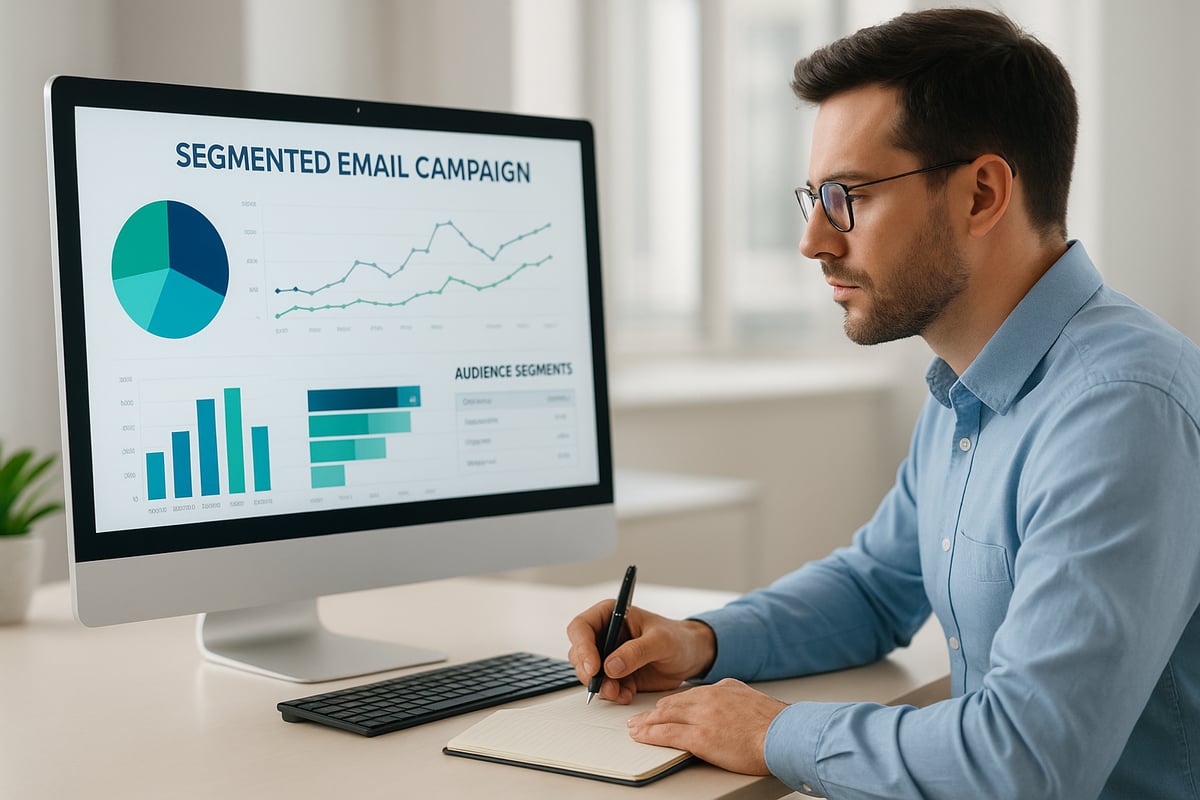
Unlocking the full potential of email segmentation requires a structured approach. This step-by-step guide walks you through every essential stage, ensuring your campaigns are both effective and future-proofed for 2025.
Step 1: Define Clear Campaign Objectives
Every successful email segmentation strategy begins with clear, measurable objectives. Decide what you want to achieve, whether it is boosting sales, nurturing leads, or reducing churn. Aligning your segmentation approach with these goals provides direction and focus.
Consider the following objectives:
- Increase open and click-through rates
- Improve customer retention
- Drive targeted product promotions
By establishing your goals early, you ensure each segment serves a distinct purpose. For more on aligning segmentation with broader tactics, explore these e-mail marketing strategies. Proper objective setting lays the groundwork for effective email segmentation.
Step 2: Collect and Cleanse Quality Data
The foundation of email segmentation is reliable data. Gather information from sign-ups, purchase history, and website activity. Ensure your data is accurate, current, and compliant with privacy laws.
Data hygiene is crucial. Regularly remove duplicates, correct errors, and verify email addresses. Automated data cleansing tools help maintain quality and save time.
Clean data enables precise segmentation and reduces the risk of sending irrelevant messages. Prioritise data quality to strengthen every aspect of your email segmentation efforts.
Step 3: Segment Your Audience Effectively
With quality data in hand, it is time to segment your audience. Use criteria such as behaviour, demographics, purchase frequency, and engagement levels. Dynamic segments update automatically as customer data changes, while static segments remain fixed.
Example segmentation approaches:
- Group by recent purchase activity
- Target based on abandoned cart behaviour
- Segment by location or age group
Effective audience segmentation ensures each message resonates. Properly managed, email segmentation can significantly improve campaign outcomes.
Step 4: Personalise Content and Offers
Personalisation is the key to making your email segmentation strategy stand out. Tailor content, offers, and recommendations to each segment's unique needs and preferences. Use dynamic content blocks to display products or messages relevant to each group.
Consider these tactics:
- Personalised product recommendations
- Customised subject lines and images
- Time-sensitive offers based on behaviour
Research shows personalised emails deliver six times higher transaction rates. When you match content to segment intent, email segmentation drives meaningful engagement and conversions.
Step 5: Test, Optimise, and Iterate
Continuous improvement is essential for email segmentation success. Use A/B testing to experiment with subject lines, content, and send times. Analyse results by segment to identify what works best.
Optimisation best practices:
- Test one variable at a time
- Review segment-specific engagement metrics
- Adjust segments based on real-time data
A structured testing process ensures your email segmentation strategy remains agile and effective, adapting to changing customer preferences and market trends.
Step 6: Ensure Compliance and Respect Privacy
Compliance is non-negotiable in today’s data-driven landscape. Adhere to regulations like GDPR and PECR by managing opt-ins and providing clear unsubscribe options. Transparency builds trust and protects your brand reputation.
Key compliance steps:
- Obtain explicit consent for communications
- Offer easy ways to update preferences
- Store and process data securely
Respecting privacy is integral to sustainable email segmentation. By prioritising compliance, you foster long-term customer loyalty and minimise legal risks.
Segmentation Data Sources and Tools for 2025
In 2025, the landscape of email segmentation is defined by how well marketers collect, integrate, and secure data. Choosing the right sources and tools is essential for unlocking the full potential of segmented campaigns. Let us explore what drives effective segmentation today.

Essential Data Sources for Segmentation
The foundation of email segmentation is high-quality data. Marketers collect information from diverse sources, such as CRM systems, email platforms, website analytics, and behavioural tracking tools.
Social media profiles and third-party integrations also offer valuable insights, helping to build a well-rounded customer view. By combining these data points, segmentation becomes more precise, allowing for targeted messaging and improved engagement.
To succeed, ensure that each data source is reliable, regularly updated, and compliant with current privacy standards. Strong data fuels every successful email segmentation strategy.
Integrating Data Across Platforms
Integrating data across platforms remains a challenge for many businesses. Siloed information leads to incomplete customer profiles and fragmented campaigns.
Unified customer profiles and Customer Data Platforms (CDPs) offer practical solutions. These tools aggregate data from email, CRM, ecommerce, and social media, creating a single source of truth. For example, an e-commerce brand might merge purchase history, browsing behaviour, and email interactions to craft highly targeted segments.
Seamless integration empowers marketers to leverage email segmentation effectively and deliver consistent experiences across all channels.
Top Email Segmentation Tools and Platforms
Selecting the right tools is crucial for modern email segmentation. Leading Email Service Providers (ESPs) like Mailchimp, Klaviyo, and HubSpot offer robust segmentation features, dynamic lists, and automation options.
AI-powered platforms now analyse vast datasets, predict behaviours, and automate segment creation. Comparing features such as ease of use, integration capabilities, and pricing is essential before making a choice.
For more data-driven insights on the most effective segmentation strategies, see the Top email marketing segmentation strategies 2025.
| Platform | Segmentation Features | AI Capabilities | Price Range |
|---|---|---|---|
| Mailchimp | Dynamic lists, tags | Predictive | £–££ |
| Klaviyo | Behavioural, lifecycle | Advanced | ££–£££ |
| HubSpot | CRM integration | Basic | £–£££ |
Leveraging Automation and AI for Smarter Segmentation
Automation and AI are transforming email segmentation in 2025. Predictive analytics and machine learning models identify patterns in user behaviour, enabling real-time segment updates.
Triggers such as recent purchases, website visits, or declining engagement automatically move subscribers between segments. For instance, AI can detect at-risk customers and target them with re-engagement offers.
This intelligent approach allows marketers to refine their email segmentation continuously, ensuring messages are timely, relevant, and personalised for each recipient.
Data Security and Ethical Considerations
With increased reliance on personal data, security and ethics are critical in email segmentation. Marketers must ensure data is securely stored and processed, following GDPR, the UK Data Protection Act, and other global regulations.
Transparency in data collection and clear consent processes build trust with subscribers. According to Cisco, 68% of consumers will abandon brands over data misuse, highlighting the importance of responsible practices.
By prioritising ethical standards, marketers protect both their brand reputation and the long-term success of their email segmentation efforts.
Creative Segmentation Strategies for Maximum Impact
Modern email segmentation is more than just dividing lists. To achieve maximum impact in 2025, marketers need to deploy creative strategies that match evolving consumer expectations and business goals. Let us explore effective segmentation types and see how leading brands turn data into engagement.

Behavioural Segmentation in Action
Behavioural segmentation tailors emails based on actions like purchases, browsing, or cart abandonment. This approach lets brands send targeted messages at the right time, increasing relevance and response.
For example, a travel company tracks recent searches and sends custom offers for destinations users viewed. Retailers often target shoppers who left items in their baskets, reminding them to complete purchases. This tactic can dramatically lift conversion rates.
If you want to see how behavioural segmentation powers e-commerce growth, check out these ways to increase e-commerce sales with segmentation. By integrating behavioural data, email segmentation ensures campaigns respond to real customer interests.
Lifecycle and Customer Journey Segmentation
Mapping emails to the customer journey is crucial for modern email segmentation. Segments can be created for new sign-ups, loyal customers, or lapsed users, enabling brands to deliver relevant content at each stage.
A typical lifecycle sequence includes welcome emails, nurturing series, loyalty rewards, and re-engagement campaigns. For instance, new subscribers receive introductory content, while long-term customers get exclusive offers or surveys.
Aligning email segmentation with the customer journey builds stronger relationships and increases the chances of repeat business. Marketers should continually review and update lifecycle segments to reflect changing audience behaviours.
Psychographic and Interest-Based Segmentation
Psychographic segmentation focuses on values, attitudes, and lifestyle interests. Unlike demographic data, this approach uncovers deeper motivations behind customer choices, making email segmentation more personal.
Brands often gather psychographic data through surveys, preference centres, or engagement with specific content. A fashion retailer, for example, may segment subscribers by preferred styles or sustainability interests, sending tailored recommendations.
Interest-based email segmentation leads to higher engagement, as recipients receive messages aligned with their passions. Regularly updating psychographic segments keeps content fresh and relevant.
Hyper-Personalisation and Dynamic Content
Hyper-personalisation uses real-time data and dynamic content blocks to deliver unique experiences at scale. With AI and machine learning, email segmentation can predict what each subscriber wants next.
Examples include product recommendations based on browsing history or countdown timers for limited offers. According to AI-driven email personalization statistics 2024-2025, brands using AI for dynamic content see dramatic improvements in open and transaction rates.
Hyper-personalised email segmentation not only boosts conversions but also builds lasting loyalty by showing customers you understand their needs.
B2B vs B2C Segmentation Approaches
B2B and B2C marketers use different email segmentation strategies to achieve their goals. In B2B, segmentation often focuses on company size, industry, and decision-maker roles. Account-based marketing targets specific organisations with customised content.
In B2C, segmentation relies more on individual preferences, purchase history, and engagement patterns. For example, a SaaS provider might tailor messages for IT managers at large enterprises, while a retailer targets repeat buyers with exclusive discounts.
Understanding these differences ensures email segmentation remains effective, whether your audience is businesses or consumers.
Case Studies: Brands Winning with Segmentation in 2025
Leading brands across sectors are achieving impressive results with creative email segmentation. A fashion retailer saw a 30 percent lift in open rates by segmenting by style preferences. A SaaS company increased renewal rates by targeting at-risk users with personalised tips.
Service brands also report higher engagement from loyalty-based segments. These measurable gains prove that innovative email segmentation strategies are essential for campaign success in 2025.
Measuring Success: KPIs and Analytics for Segmented Campaigns
Understanding the effectiveness of your email segmentation efforts is crucial for ongoing improvement. Measuring the right KPIs and interpreting analytics allows you to refine your strategy, maximise returns, and deliver more relevant experiences to your audience.
Key Metrics to Track
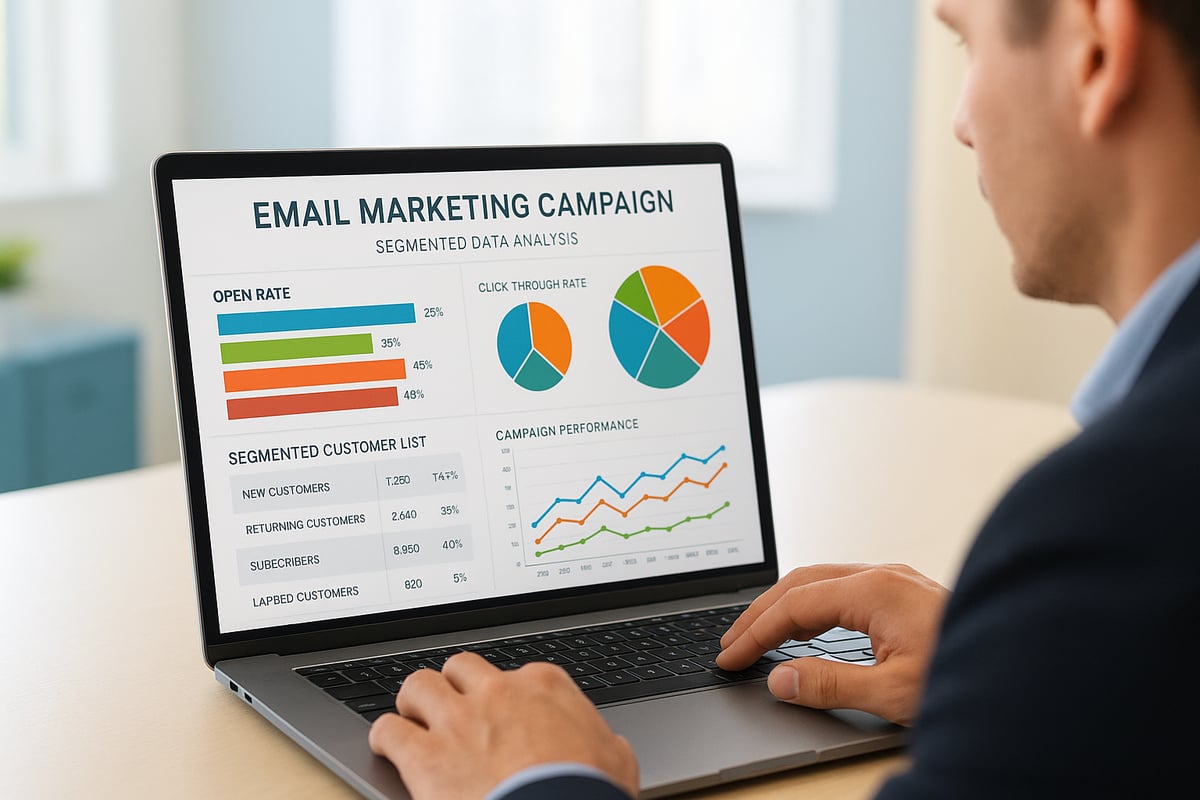
To gauge the performance of your email segmentation, monitoring key metrics is essential. These indicators provide a clear picture of engagement and campaign success. Commonly tracked KPIs include open rates, click-through rates, and conversion rates, as well as segment-specific metrics like engagement scores.
Here is a summary table of essential KPIs:
| KPI | Description | Why It Matters |
|---|---|---|
| Open Rate | % of emails opened | Measures subject line and timing effectiveness |
| Click-Through Rate | % of recipients who clicked a link | Indicates content relevance |
| Conversion Rate | % who completed a desired action | Reflects campaign ROI |
| Unsubscribe Rate | % who opted out | Highlights content or frequency issues |
According to Email marketing statistics and trends for 2024 to 2025, segmented campaigns consistently outperform non-segmented emails across all these metrics.
Analysing and Interpreting Results
Once you have collected data from your email segmentation campaigns, it is important to analyse performance against industry benchmarks and your own goals. Look for trends in open and click rates within each segment, and identify segments that underperform or overachieve.
Use tools such as heatmaps to visualise where users interact most within your emails. Engagement scoring helps you prioritise high-value segments for future campaigns. Regular analysis enables you to spot patterns and act quickly on insights.
Establishing clear benchmarks for each segment will help you make informed decisions as you refine your strategy.
Reporting and Communicating ROI
Demonstrating the value of email segmentation to stakeholders requires clear, concise reporting. Use visual aids like charts and graphs to show uplift in key metrics and overall revenue. Attribution modelling helps you connect segmented campaigns to sales and conversions, making ROI transparent.
Sharing these insights regularly builds confidence in your approach and highlights the ongoing impact of segmentation. For additional guidance on leveraging analytics for better business outcomes, visit Data-driven marketing for business growth.
Remember, segmented campaigns are responsible for 58 percent of all email revenue (DMA UK, 2024), underscoring the value of effective measurement.
Iterating Based on Insights
Continual improvement is at the heart of successful email segmentation. Use analytics to refine your segments, test new hypotheses, and adjust content strategies. Regularly revisit your data sources to ensure accuracy and relevance.
Practical steps include:
- A/B testing new segment criteria.
- Updating customer profiles with fresh data.
- Reviewing past campaigns to identify winning tactics.
By iterating based on insights, you keep your segmentation strategy agile and aligned with evolving customer expectations.
Now that you’ve explored the latest strategies and real world examples for mastering email segmentation in 2025, you might be wondering how to put these insights into practice for your own business. Whether you’re aiming to boost engagement, drive conversions, or simply create more meaningful connections with your audience, we’re here to help you turn these ideas into measurable results. If you’re ready to elevate your email marketing—or want tailored advice on integrating segmentation with your web design and digital strategy—let’s start a conversation. Get in touch and discover how we can support your next step.